 Plumbing Advisors Editorial TeamEditorial StandardsUpdated July 5, 2026Source-Checked
If your sewer line is damaged, a key decision is whether a targeted repair will solve the issue or if a full replacement is necessary. This depends on the type, location, and scope of the problem, as well as the age and condition of the line. Newer trenchless repair methods can often minimize digging and disruption. You'll make the best choice by understanding all available approaches and consulting an experienced professional for a thorough camera inspection.
How Do Sewer Line Repairs and Replacements Differ?
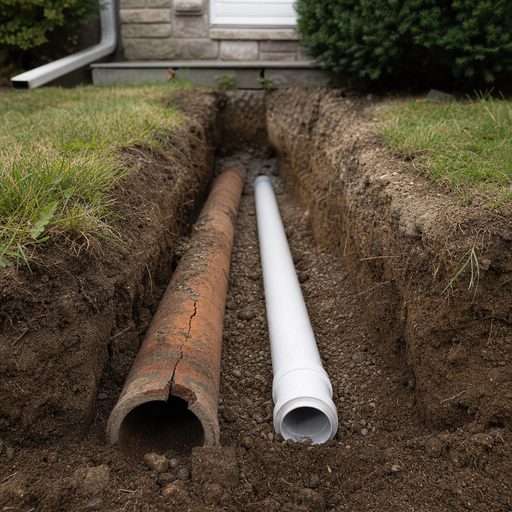
A sewer line repair addresses only the damaged section, while a replacement involves removing and installing a new pipe for all or most of the line. If your sewer line has a single break or root intrusion, a spot repair may restore proper function. In contrast, widespread cracking, multiple breaches, or advanced pipe deterioration—especially with older materials like cast iron or clay—often require full replacement to avoid repeated future failures. Both repair and replacement may use traditional open-trench methods or modern trenchless techniques, which limit excavation.
Trenchless methods typically require a camera inspection to confirm that the pipe and site are suitable for these less invasive options. Components commonly involved in repairs include the pipe section itself (often ABS, PVC, clay, or cast iron), pipe couplings, and cleanout fittings for access. For replacement projects, new sewer pipes (e.g., Schedule 40 PVC), connections, and cleanouts are required. Professional plumbers rely on inspection footage not only to define the scope of work, but also to confirm that critical elements like joints and slopes meet local plumbing codes, which can vary.
When Is a Sewer Line Spot Repair the Right Solution?
A spot repair is suitable when inspection confirms that the rest of the sewer line is structurally sound and free of significant buildup, corrosion, or multiple trouble spots. Common scenarios include a single offset joint, a localized root intrusion, or a pipe cracked by settling soil beneath part of your yard. In these cases, the plumber fixes only the faulty section, which may involve replacing a short segment, fitting new couplings, or using specialized sleeves for internal pipe repairs. A camera inspection is key, as it verifies that the remaining pipe doesn’t show signs of widespread damage or aging.
If the pipe is a modern material like PVC or HDPE and is otherwise in good shape, spot repairs offer a practical, cost-effective fix with minimal disruption. They can extend the life of your sewer system for years, provided no additional issues are present. However, recurring clogs or slow drains elsewhere in the system may indicate developing trouble beyond the localized spot, suggesting a broader approach is needed. When in doubt, ask your plumber if a targeted repair will produce a long-lasting result, or if further issues are likely to emerge soon.
- A single offset joint caused by ground movement.
- Isolated root intrusion through one pipe joint.
- Fracture or short crack in one section, with the rest of the pipe intact.
- PVC or ABS piping with an isolated manufacturing flaw.
- Localized corrosion in an otherwise healthy cast iron line.
Indicators That Full Sewer Line Replacement Is Necessary
Full replacement is often recommended when structural damage, corrosion, or displacement appears along multiple sections or the entire length of the line. Homes built in the mid-20th century often have sewer lines made from clay or cast iron, which tend to corrode, crack, or collapse after decades underground. In these situations, patching only leads to new failures in other places. Common signs pointing to replacement include multiple recurring blockages, persistent sewer odors, visible sinkholes or soggy patches above the line, and evidence from a camera inspection showing widespread pipe degradation, deformities, or incomplete flow.
Replacement provides a new, code-compliant line (typically Schedule 40 PVC or HDPE), updated connections, and a fresh slope to aid proper drainage. This option also allows installation of new cleanout access points for easier future maintenance. Full replacement is a long-term solution when spot repairs would not address the underlying cause or when a pipe's overall structural integrity is compromised. Consult a Sewer Line Repair professional for assessment and to discuss which method suits your property layout—especially if driveways, trees, or utilities run above the old line.
- Multiple areas of the pipe show cracks, breaks, or root infiltration.
- Collapsed sections or major ‘bellies’ where the line sags and traps sewage.
- Odors and backups persist despite repeated repairs.
- Camera shows deteriorated pipe walls or extensive corrosion in cast iron or clay.
- Access or layout requires replacing the entire run for code compliance.
Trenchless Sewer Repair and Replacement: What Are the Options?
Trenchless technology has greatly reduced the disruption—and sometimes the cost—of repairing or replacing buried sewer pipes. The two most frequently used methods are pipe lining (cured-in-place pipe, or CIPP) and pipe bursting. Pipe lining involves threading a flexible resin-impregnated sleeve through the existing pipe. Once in place, the sleeve is inflated and cured, creating a new pipe wall inside the old one while leaving both ends open for flow. Typical brands supplying trenchless lining kits include Perma-Liner and MaxLiner.
Pipe bursting, on the other hand, replaces the pipe entirely without full excavation. The process pulls a new pipe (often HDPE) into position while a bursting head fractures the old pipe outward. Both methods require camera verification beforehand to rule out conditions like total collapse, which would prevent equipment passage. Trenchless solutions generally require only small access pits at each end of the repair, minimizing the impact on lawns, patios, or landscaping. If your sewer line qualifies for a trenchless approach, you can avoid the extensive digging associated with traditional repairs, and your new pipe often outlasts the original material.
Traditional Open-Cut Sewer Line Work: When Is It Needed?
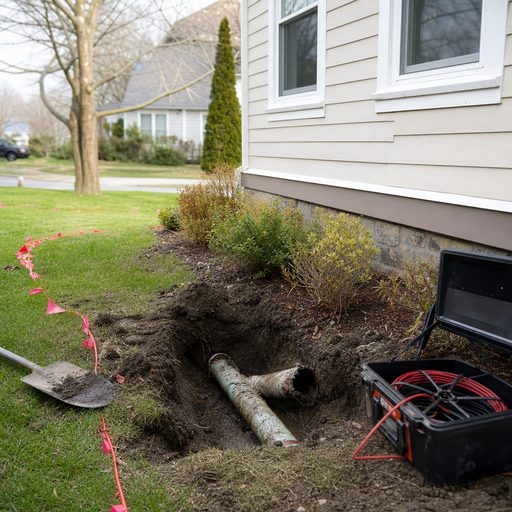
Despite advances in trenchless repair, some sewer lines still require traditional open-cut excavation—especially when a pipe has completely collapsed, is severely misaligned, or is otherwise inaccessible with trenchless equipment. Open-cut work involves digging a trench to expose the pipe, removing the damaged or deteriorated section, and installing a new segment or full run. Major manufacturers for replacement piping include Charlotte Pipe (for PVC) and JM Eagle (for HDPE and PVC). Open-cut repair makes it possible to adjust the pipe slope, replace connections, or address multiple obstructions at once.
Traditional methods may also be needed where trenchless techniques are ruled out by local plumbing codes, by the presence of utility lines too close to the sewer, or by particularly complex pipe transitions. While open-cut repairs are more disruptive to driveways, landscaping, and hardscaping, their use is sometimes unavoidable for severe failures. Your professional will outline the pros and cons for your specific property and may recommend a hybrid approach—using both trenchless and traditional techniques—to minimize excavation while fully resolving the problem.
Never Dig or Open a Sewer Line Yourself
Excavating or opening a sewer line exposes you to health hazards and risks of damaging underground utilities or your property's foundation. Only experienced professionals with proper equipment and training should attempt this work. Always consult a Sewer Line Repair expert and confirm local utility locations before any digging.
Key Parts and Components in Sewer Line Repair or Replacement
Regardless of approach, several parts are critical in any repair or replacement job. The pipe itself is typically upgraded to modern materials such as PVC (Polyvinyl Chloride), ABS (Acrylonitrile-Butadiene-Styrene), or HDPE (High-Density Polyethylene), which resist corrosion and root intrusion. Connectors and couplings (often rubber or flexible Fernco sleeves) are used to join new sections to existing piping. Cleanout fittings are installed for ongoing maintenance and inspection. Replacement may also include checking or replacing old clay or cast iron with modern alternatives from manufacturers like Charlotte Pipe or JM Eagle, which offer longer life spans.
Where pipe alignment or slope is an issue, contractors may install additional fittings, like sweep bends and Y-joints, to ensure proper flow. In some trenchless repairs, an internal sleeve or CIPP liner forms the new pipe wall. All new components must be compatible with local plumbing codes, which often specify pipe diameter, slope, and joint type. Professional plumbers make sure every fitting and accessory meets requirements for durability and access, so future maintenance (like hydro jetting or camera inspections) is possible without major excavation.
- Pipe material: PVC, ABS, HDPE (long life, root-resistant)
- Connectors/couplings: Fernco or similar flexible fittings to join different pipes
- Cleanout fittings: Allow access for inspection and clearing future clogs
- CIPP liner: Resin-impregnated sleeve for trenchless pipe lining
- Y-joints and sweep bends: For proper flow at transitions and branches
What Drives the Cost of Sewer Line Repair or Replacement?
Several factors strongly influence the overall cost of repairing or replacing a sewer line. The length and depth of the pipe are key, as deeper or longer lines require more labor and specialized equipment. Accessibility, such as pipes under driveways, patios, or mature landscaping, can increase restoration work post-repair. Material choice—replacing with high-quality PVC or HDPE is often more durable, though initial installation is more involved than simple spot repairs using sleeves or short pipe sections.
Trenchless methods are typically priced according to whether the damage can be confined to a single access point or needs a longer liner or replacement run. The condition of the remaining pipe and the presence of code violations (like improper slope or joint types) can add extra repairs or upgrades. Additional cost drivers include addressing multiple blockages, repairing post-excavation landscaping, or complying with local inspection requirements. For a better sense of what to expect, see the related cost guide, but remember that a Sewer Line Repair professional will base their estimate on your property’s specific conditions.
When to Involve a Professional Plumber
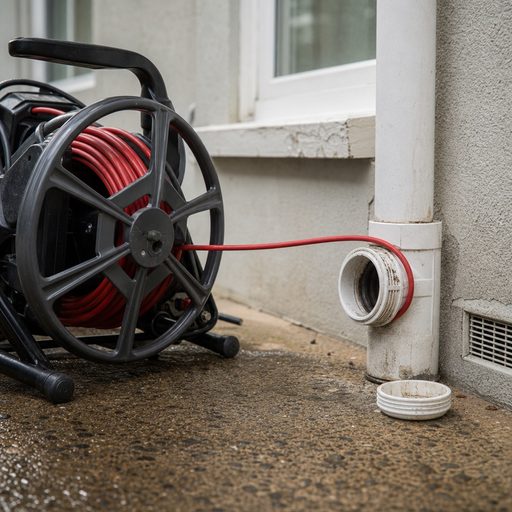
If you notice repeated sewer backups, bad odors, or wet spots in your yard, it’s time to call a sewer line specialist. Professionals start with a sewer camera inspection to accurately identify the issue’s location and severity. This diagnostic step helps target repairs, prevents guesswork, and ensures the most appropriate method—whether repair or replacement—is chosen. An experienced plumber will also explain whether trenchless or traditional methods are viable for your property and confirm all work will meet local codes.
Rely on a pro not only for technical expertise but for access to specialized tools, certified parts, and knowledge of required permits. DIY repairs can lead to costly damage or violation of plumbing or building codes. If you’re not sure whether your chronic clogging stems from a main line issue, refer to the Signs of a Sewer Line Problem guide. For more insight into the inspection process that guides repairs or replacement, see How a Sewer Camera Inspection Works.
Tip: Prevention Is Cheaper Than Repair
Have your main sewer line inspected every few years—especially if your home has older piping or mature trees nearby. Proactive camera inspections can catch small issues before they escalate, saving money and avoiding major disruption.
How do I know if trenchless sewer repair is possible for my home?
A licensed plumber determines suitability with a sewer camera inspection. Trenchless repairs require the pipe to be structurally intact for lining, or passable for bursting equipment. Severe collapses, extreme bends, or very old pipes may require traditional replacement instead.
Can tree roots be permanently kept out of a repaired sewer line?
Replacing damaged sections with root-resistant materials like PVC or by using cured-in-place (CIPP) liners, new joints are sealed, which greatly reduces the chance of roots re-entering. Regular inspections and root maintenance around sewer lines also help keep roots at bay.
What are signs my sewer line needs professional attention?
Common signs include frequent backups, sewage odors in or around your home, slow-draining fixtures throughout the house, and unexplained soggy spots in the yard. These all warrant a professional camera inspection to diagnose the problem.
Is it ever safe to repair a main sewer line myself?
No—main sewer repairs involve risks of contamination, damaging buried utilities, and violating building codes. Always consult a professional who can safely locate the pipe, assess damage, and perform repairs using proper equipment and safety protocols.
Sources and further reading
These references support material safety, technical, consumer, or planning guidance in this article. Confirm property-specific requirements with the applicable authority and professional.