 Plumbing Advisors Editorial TeamEditorial StandardsUpdated July 5, 2026Source-Checked
Slab leak repair costs can swing widely because every repair is different. The final amount you pay depends on where the leak sits, how easily it's accessed, which repair approach is needed, and how much restoration work follows. Understanding what drives these differences will help you read estimates, ask the right questions, and recognize a fair quote for slab leak repair in your home.
What Factors Drive the Cost of Slab Leak Repair?
Repairing a leak under your concrete slab involves both technical diagnosis and skilled restoration. Several factors combine to influence the overall cost. Some variables—like the leak’s location and the building’s plumbing materials—are impossible to know until a professional evaluates your home. Others, such as your region’s typical labor rates and the level of finish work required, shape costs behind the scenes. Below are the leading drivers that impact how much you’ll pay for a slab leak fix.
- Location of leak: Leaks near the slab edge or utility closets are typically cheaper to access than those under kitchens, bathrooms, or living rooms.
- Pipe depth and slab thickness: Deeper pipes or thicker slabs take more time and effort to reach, raising labor requirements.
- Repair technique: Spot repairs are generally less intensive than full reroutes or epoxy lining. The method chosen depends on pipe condition and placement.
- Access complications: Tile, hardwood, or cabinetry above the leak requires more careful demolition and restoration than carpet or unfinished space.
- Detection complexity: Locating a hidden leak under concrete demands specialized technology (like acoustic sensors and infrared cameras) and advanced skills.
- Pipe type and age: Older copper, galvanized, or polybutylene pipes might prompt recommendations to replace more of the system than just the broken section.
- Time of service: After-hours or emergency visit costs will be higher than scheduled repairs during normal working times.
Even homes with the same basic floor plan can see very different repair requirements and costs due to differences in plumbing design, foundation type, and finishes. These variables make it impossible to forecast an exact price until a professional inspection and leak detection are completed. To understand the dollar ranges for each scenario, see the related cost guide.
Detection and Diagnostic Work
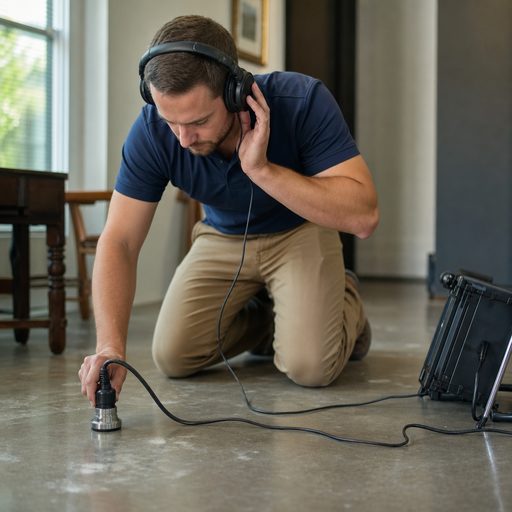
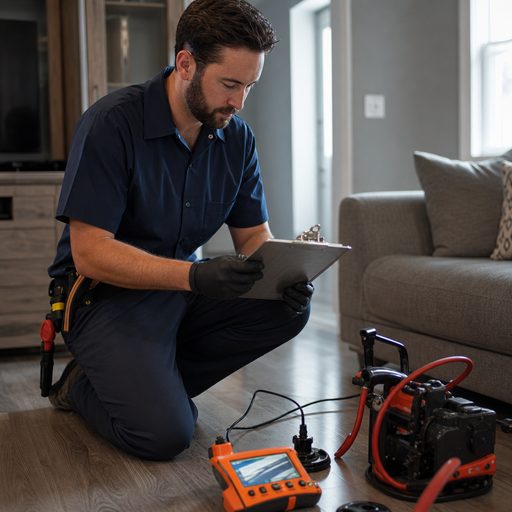
Leak detection is a crucial first stage of slab leak repair. Modern pros use tools like ultrasonic leak detectors, ground microphones, and thermal imaging to accurately trace hidden water lines and pinpoint leakage without invasive demolition. Skilled plumbers can confirm whether a leak is in hot or cold piping and whether it affects a water supply line, recirculation line, or even a drain pipe beneath the slab. Operators often check your home’s pressure-reducing valve (PRV), main water shutoff, and foundation design before beginning work. The complexity of the diagnostic process strongly impacts overall cost, as multiple visits or extended detection time may be required for challenging cases.
Homeowners may hear running water, see floor stains, or notice warm spots, but only a thorough evaluation—sometimes including pressure tests and isolation of branch lines—can determine the exact repair location. A professional’s leak detection equipment helps minimize unnecessary cutting, controlling repair costs and preventing additional foundation disruption.
Leak Detection Is Its Own Service
Reputable plumbing companies often bill leak detection separately from repair. This fee covers specialized tools, technician time, and ensures you get a precise diagnosis before any digging or concrete removal takes place.
Common Repair Methods Explained
Depending on the age, layout, and material of the affected pipe, plumbers might recommend spot repair, rerouting, or epoxy lining. Spot repair means accessing the slab, cutting concrete, and fixing a short pipe section—typically with a new copper or PEX segment. Rerouting runs new piping through walls or ceilings, bypassing the slab and often using flexible PEX material for reliability. Epoxy lining, available from brands like Nu Flow, rehabilitates existing pipes without extensive demolition by sealing the interior pipe wall. The choice depends on pipe condition, accessibility, and how likely the plumbing is to fail elsewhere in the future.
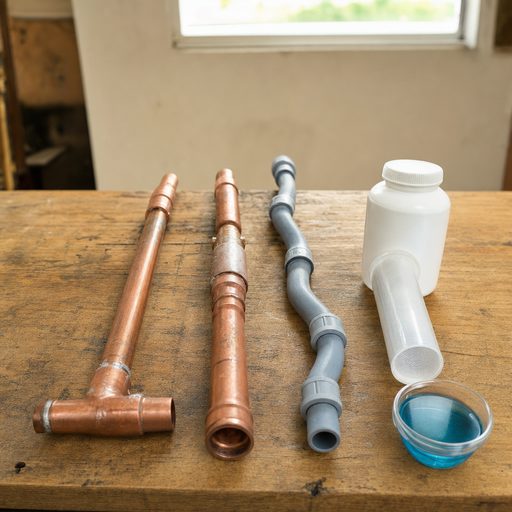
With spot repairs, essential parts may include dielectric unions, couplings, and copper or PEX pipe sections. Reroutes can require new manifolds, PEX or copper pipe rolls, tees, and elbows. Epoxy lining often calls for pipe access points and specialized application equipment. Guidance on which method is best for your situation and what each job typically involves can be found in our article 'Slab Leak Repair Options: Spot Repair, Reroute, or Lining.'
Foundation and Floor Restoration After Repair
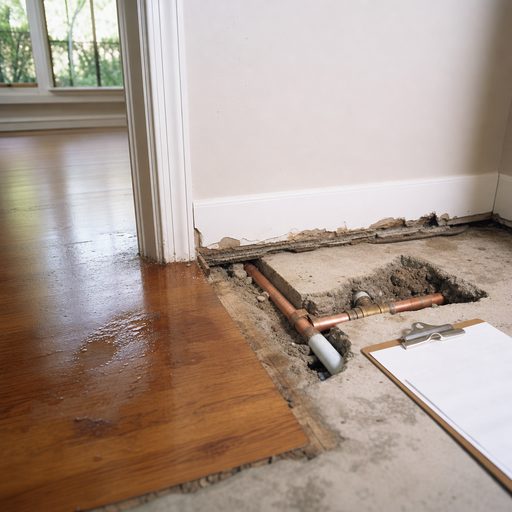
A critical but often overlooked aspect of slab leak repair cost is restoration after the plumbing is fixed. Breaking through concrete slabs to access pipes usually means damaging flooring above (such as tile, hardwood, carpet, or laminate) and often requires some demolition of cabinetry or walls. Replacing these finishes typically adds to the total bill. The impact can vary—a slab leak under simple concrete floors may involve basic patching, while leaks beneath custom tile or engineered hardwood can require significant finishing work and coordination with specialty trades.
Restoration best-practices should be discussed with your pro before the job begins. Some plumbers may recommend you coordinate with a separate flooring or restoration specialist for complex surfaces, while others handle the patching themselves. Always request an itemized estimate that clarifies which restoration elements are included, and ask about code requirements for insulation, vapor barriers, or moisture sealing beneath the repaired area.
When Is a Full Repiping a Better Value?
Repiping Involves Building Codes
Whole-home repiping and major reroutes must meet current plumbing code standards, which can vary by city or county. Always verify that your plumber has pulled any required permits before extensive plumbing modifications.
Factors You Can Control to Manage Costs
While you can’t move a leak once it’s happened, you can take steps to keep costs lower when slab leaks arise. Acting quickly when you spot warning signs—like unexplained water bills, damp floors, or running water noises—prevents bigger structural damage and costly restoration. Choosing to work with a plumber experienced in both Slab Leak Repair and Leak Detection can also mean fewer unnecessary repairs. If a full pipe replacement isn’t yet necessary, opting for a reroute rather than a bare spot repair can reduce the likelihood of repeat leaks nearby, containing long-term expenses.
- Schedule leak detection at the first sign of trouble.
- Request written, itemized estimates for every stage of work.
- Clarify what’s included: restoration, permits, disposal of debris.
- Ask about warranties for parts and workmanship on repairs.
- Research pipe brands and types recommended if replacement is needed.
How to Read a Slab Leak Repair Estimate
A clear, fair slab leak repair estimate will break down labor, detection, parts, and restoration as separate line items. Typical components may include leak detection service, concrete removal, new pipe sections (copper, PEX), couplings, and floor/foundation patching costs. It should note which components (like fittings, manifolds, valves) will be replaced and specify if manufacturer parts are used. Estimates should also include a description of the repair method—such as direct access, reroute, or lining—and cite any restoration work, such as tile replacement or subfloor repairs. Proposals lacking detail or offering only a single lump sum can hide extra costs or missed steps.
Should You DIY Any Part of Slab Leak Repair?
Due to the complexity and risks, slab leak repair is never a good candidate for DIY. Even skilled homeowners lack the specialized detection gear and experience to identify and repair leaks beneath a slab without risking further water damage, code violations, or structural harm. Working with gas lines, electrical elements, or handling water under pressure below a foundation is dangerous and may also void insurance coverage if performed incorrectly. Only licensed professionals should access, cut, and repair pipe beneath your home’s foundation.
If you suspect a leak, the safest step is to shut off the main water supply and schedule Leak Detection with an experienced local plumber. You can prepare the work area—by moving furniture or covering valuables—before the pros arrive, but main repairs and restoration require professional knowledge and equipment. This protects both your property and your long-term investment.
How do plumbers actually find a slab leak?
Plumbers locate slab leaks with specialized equipment, such as electronic amplifiers, ground microphones, thermal cameras, and moisture sensors. They may also perform static pressure tests and use tracer gases to pinpoint leaks without unnecessary demolition. See our guide 'How Plumbers Locate a Slab Leak Before Digging' for a breakdown of the process.
Are certain pipe materials under slabs more likely to leak?
Yes, older materials such as galvanized steel, polybutylene, or poorly-installed copper pipe are more vulnerable to corrosion, pinhole leaks, and failure. Modern installations often use PEX or high-quality copper, which are less prone to slab leaks when correctly installed and protected from soil reactions.
Will my homeowner’s insurance cover slab leak repair?
Coverage varies by insurer and policy. Many policies help with water damage restoration but not the cost to locate or repair the pipe itself. Homeowners should check their coverage details and speak with their provider after a leak is confirmed for specifics before approving work.
Can slab leaks be prevented in newer homes?
While no system is totally immune, modern plumbing standards, improved materials like PEX, and proper installation practices lower the risk of slab leaks in newer homes. Pressure-reducing valves (PRVs) and regular inspections can further reduce future risk.
How long should a slab leak repair last?
If completed properly, with quality pipe (such as PEX or Type L copper) and sound workmanship, slab leak repairs are expected to last as long as the surrounding plumbing—often decades. Whole repipes or reroutes can outlast spot repairs, especially if the original system was compromised.
Sources and further reading
These references support material safety, technical, consumer, or planning guidance in this article. Confirm property-specific requirements with the applicable authority and professional.