 Plumbing Advisors Editorial TeamEditorial StandardsUpdated July 5, 2026Source-Checked
Sewer line replacement costs depend on many factors, mainly the total length of pipe needing replacement, how deeply it’s buried, and what’s above it. Prices are generally provided per foot, but those figures shift based on access, local conditions, and which replacement method is chosen. Understanding these factors helps you evaluate any estimate and know what truly drives your final cost.
What Drives Sewer Line Replacement Costs?
Access issues create further variation: crossing under driveways, patios, or structures often adds complexity, as does dealing with mature tree roots or rocky soil. Soil type, slope, groundwater level, and even weather conditions during the project can influence labor needs and equipment selection. Beyond these, the choice between trenchless methods (like pipe bursting or pipe lining) and traditional open trench excavation shifts the labor and restoration work—pipe lining may require less digging, for example, but specific criteria must be met for eligibility. Regulatory needs such as municipal permits and inspections, and post-installation yard or pavement restoration, round out the main drivers.
- Total pipe length to be replaced
- Depth of the existing line
- Choice of replacement technique: trenchless versus open trench
- Soil and site conditions (roots, rocks, water table)
- Obstacles above or near the pipe (driveway, patio, pool, tree roots, landscaping)
- Required permits, inspections, and restoration efforts
Major Pipe Components and What Gets Replaced
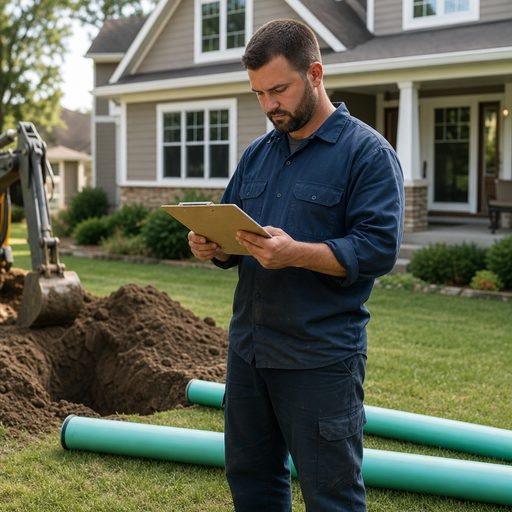
A complete sewer line replacement typically involves replacing the main sewer lateral—the underground pipe carrying wastewater from your home to the city main. Modern jobs usually use high-density polyethylene (HDPE) or polyvinyl chloride (PVC) pipe, both chosen for longevity and resistance to root intrusion. Where the old pipe is clay, cast iron, or Orangeburg (bituminous fiber), total replacement with new material addresses leaks, collapses, and chronic blockages.
Site Factors That Increase or Lower Costs
Every property’s configuration shapes project complexity. For example, a straight sewer lateral crossing only grass is simpler—and costs less to restore—than a line running under a thickly planted garden, concrete sidewalk, or beneath driveways. Urban homes often have sewer lines situated deeper to avoid interference with other utilities and to reach the city main, which increases both excavation work and necessary shoring for safety.
If a line runs under major landscaping, mature trees may require arborist input or mechanical root-cutting, both of which add time and care to prevent damaging other vital systems. Homes with finished basements or crawl spaces may face higher costs if the line transitions from interior to exterior in hard-to-access spots. Each of these site-specific challenges not only increases labor but directly affects the restoration work necessary, another key factor in an itemized estimate.
Choosing Between Trenchless and Traditional Replacement
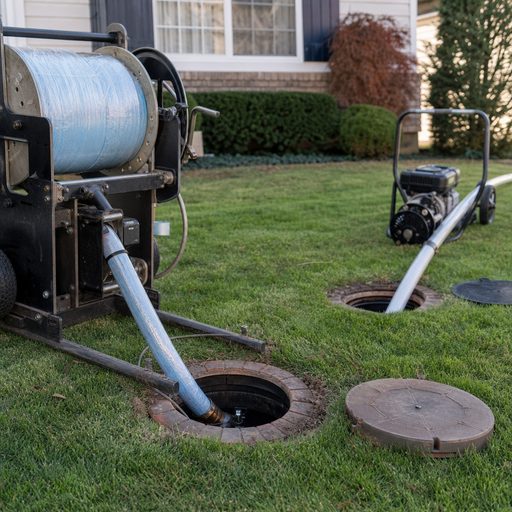
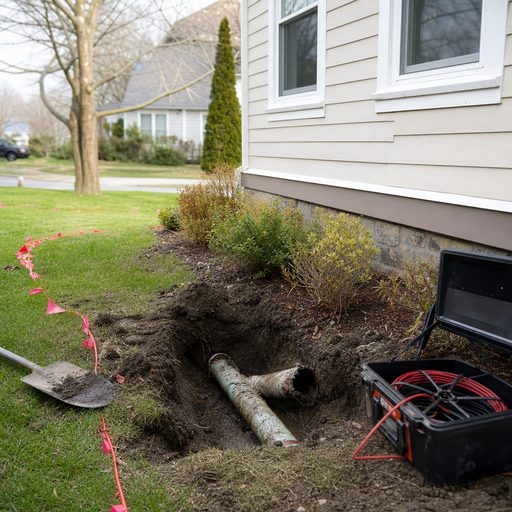
Two main methods dominate sewer line replacement today: traditional open trench and trenchless techniques. Open trench replacement involves excavating the entire length of the old pipe, which is sometimes necessary if the line is severely collapsed or non-uniform. Trenchless methods, like pipe bursting or cured-in-place pipe (CIPP) lining, minimize digging, instead pulling or inserting a new pipe through the existing pathway. This can limit surface damage and reduce restoration needs.
Trenchless techniques are often suitable for straight runs and where pipe alignment has not shifted drastically. However, utility location, severe pipe misalignment, grade, and code requirements can limit eligibility. While the equipment required for trenchless projects can drive up the direct cost of installation, savings may be found in reduced landscape or driveway restoration. Deciding between these methods is best done after a professional camera inspection—see our guides Pipe Lining vs. Pipe Bursting: Trenchless Sewer Replacement and When Does a Sewer Line Need Full Replacement? for more details and direct comparisons.
Trenchless Isn’t Always an Option
Trenchless sewer replacement techniques like pipe bursting or CIPP lining are not universally applicable. Severe pipe sagging (bellies), major grade errors, or offset joints may require traditional excavation. Professional camera inspection and evaluation of the existing line’s condition are essential to determine which method is feasible for your home.
Understanding the Inspection and Diagnosis Process
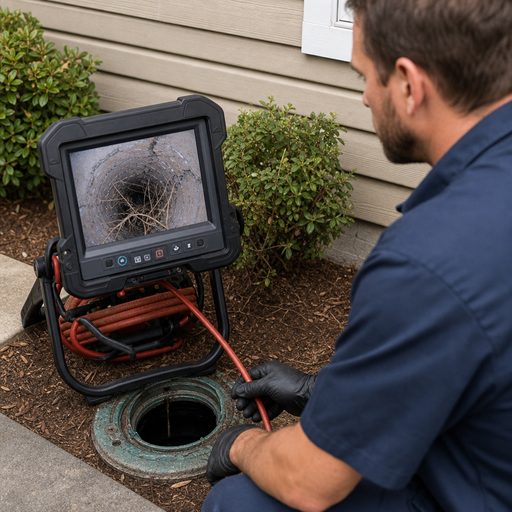
Reliable sewer line replacement starts with thorough diagnostics. Plumbers typically begin with a sewer camera inspection, feeding a flexible video scope through the cleanout fitting to visually confirm blockages, root intrusion, pipe collapse, or structural failure along the length of the line. This inspection is crucial for distinguishing between localized issues—addressed by targeted Sewer Line Repair—and systemic problems that justify full replacement.
During diagnosis, professionals assess the line material (e.g., clay, cast iron, PVC), the number and location of bends, depth, grade, and connection points. You'll also receive feedback on the state of essential components like cleanouts, transition couplings (often from Fernco or Mission Rubber), and any terminals at the curb or city tie-in. A detailed, video-documented inspection forms the basis for an accurate, itemized replacement estimate.
- Camera scoping confirms pipe length and failure points.
- Diagnostic evaluation cites pipe material and age (cast iron, clay tile, PVC, HDPE).
- Assessment includes cleanouts, terminations, bends, transition couplings, and backwater valves.
- Pro identifies site issues: roots, bellies, ground movement, or unauthorized prior repairs.
Why Estimates Vary—And How to Compare Quotations
Additionally, question whether the estimate covers code-mandated components—requirements for cleanout spacing, minimum slope, specific transition couplings like those from Charlotte Pipe or Fernco, and the type of pipe (SDR-35 PVC, Schedule 40, or HDPE). Building codes can vary between municipalities, so always confirm that the plan and parts list meet local standards. Skipping or omitting needed steps can mean future repairs, so a comprehensive, transparent scope is crucial for long-term value.
After the Replacement: Restoration and Long-Term Reliability
One major aspect often underestimated in sewer line replacement is the cost and complexity of restoring the property. If a yard, driveway, sidewalk, or garden was disturbed during the replacement, proper surface restoration must occur. This includes new sod, reseeding, replacing concrete or pavers, and sometimes re-planting trees or large shrubs. Restoration quality can vary, so clarify in writing what will be restored and how soon after sewer work concludes.
Modern PVC and HDPE sewer pipes, along with new cleanout fittings and couplings, typically last 50 years or more when installed according to current standards. It’s a long-term improvement, but ongoing care matters. Avoid planting deep-rooted trees or shrubs above the line, and have a periodic camera inspection—especially if slow drains or gurgling sounds return. For minor blockages or isolated breaks upstream, consider targeted Sewer Line Repair, which can extend the life of your new system if needed.
How to Prepare for Your Sewer Line Replacement
Once you’ve chosen your plumber and received an itemized estimate, there are steps to streamline the process. Clear obstructions from the work area, ask about municipal inspection schedules, and ensure pets, vehicles, or irrigation systems will not interfere. If you have landscaping or hardscapes in the path, discuss salvage or replanting options—some companies work with local landscape contractors to minimize impact. Make arrangements for alternative toilet or laundry use during the service window.
What does a sewer camera inspection involve, and is it always required?
A sewer camera inspection uses a flexible video scope inserted through a cleanout to visually assess the full length of your sewer lateral. It’s essential for identifying breaks, root intrusion, and blockages so the scope of work can be accurately defined. Most reputable plumbers will insist on camera diagnosis before providing a full replacement estimate.
Does homeowner’s insurance cover sewer line replacement?
Standard homeowner’s insurance typically does not cover normal wear and tear or deterioration of sewer lines. Some policies offer limited coverage for sudden, accidental breaks—especially if the line is on your property. Always check your policy or consult your agent, and keep camera inspection reports for potential claims.
How long does sewer line replacement typically take?
Most residential sewer line replacements can be completed in one to three days, depending on line length, method (trenchless or traditional), and restoration needs. Complications like deep lines, major obstacles, or poor weather may extend the timeline. Your plumber should provide a project schedule during the estimation phase.
What are common signs that a sewer line needs full replacement rather than repair?
Frequent blockages, sewage backups, slow drains throughout the house, and visible sinkholes or wet patches in the yard often point to a failing sewer lateral. Camera inspection may show collapsed pipe, repeated root intrusion, or extensive cracks—issues that usually require full replacement rather than spot repairs.
Can I replace just a section of sewer line instead of the whole thing?
Yes, if inspection shows that damage is limited to one area, a local Sectional Sewer Line Repair may be appropriate. However, if the entire line is old, deteriorating, or improperly sloped, it’s typically more cost-effective and reliable to replace the whole run. Discuss these options with your plumber after a diagnostic inspection.
Sources and further reading
These references support material safety, technical, consumer, or planning guidance in this article. Confirm property-specific requirements with the applicable authority and professional.