 Plumbing Advisors Editorial TeamEditorial StandardsUpdated April 28, 2026Source-Checked
When a sewer line is damaged, the natural hope is that a single repair will set things right. Often it can. But some lines are past the point where patching one section makes sense, and replacing the whole run becomes the more sensible choice. The difference comes down to how much of the line is affected, the age and material of the pipe, and what a camera inspection reveals about its overall condition. Knowing the signs that point toward full replacement rather than a spot repair helps you have a clearer conversation with a professional about the right path for your home.
When a Spot Repair Is Usually Enough
When damage is confined to one well-defined section of an otherwise sound pipe, a targeted repair is often all that is needed. A camera inspection is what confirms the trouble is isolated, since it shows the condition of the damaged area and the pipe on either side of it. In these situations, replacing the entire line would be more than the problem calls for.
- A single crack, fracture, or offset joint in one identifiable spot.
- Root intrusion confined to one section of an otherwise healthy line.
- A localized break or blockage that a camera inspection has pinpointed.
- Pipe that is generally in good shape apart from the one damaged area.
- A relatively young line that is not showing widespread deterioration.
Signs the Whole Line May Need Replacing
Sometimes a spot repair would only buy a little time because the line as a whole is failing. When damage is spread across multiple sections, or the pipe is old and deteriorating along its length, replacing the line is often a better long-term decision than repairing one section after another. The signs below frequently point toward full replacement, though only an inspection can confirm it.
- Cracks, breaks, or root intrusion appearing in several places along the line.
- A pipe that has collapsed, or that has sagged into a low belly where waste collects.
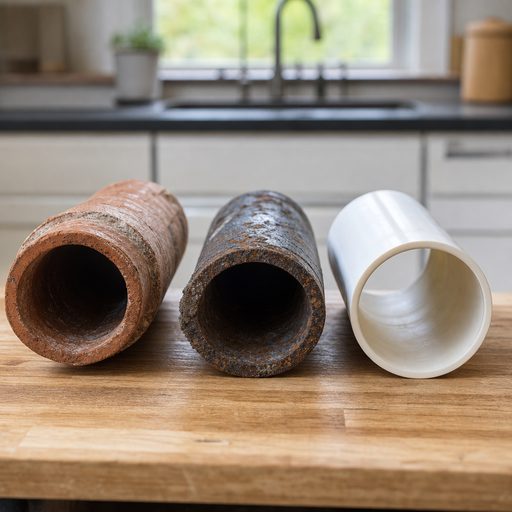
- Older clay or cast-iron pipe that is corroded or deteriorating throughout.
- Repeated repairs and recurring backups that keep returning in new spots.
- A line so far gone that fixing one area would soon be followed by another.
- A material known to fail with age, where the whole run is reaching the end of its service life.
A camera inspection should come before any decision
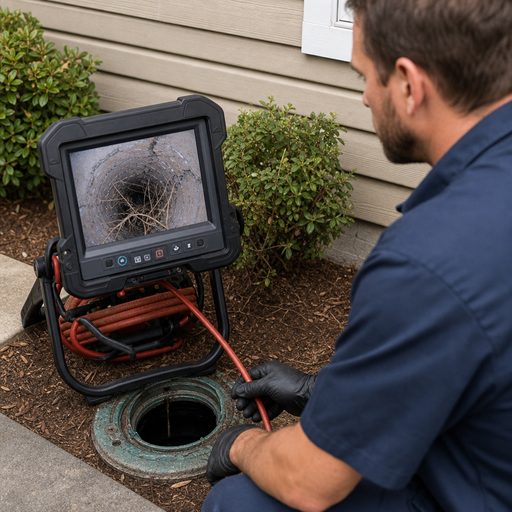
The only reliable way to know whether a line needs a spot repair or full replacement is to see inside it. A camera inspection shows the condition of the entire run, not just the spot causing symptoms today, so the recommendation is based on the real state of the pipe rather than a guess. Ask for one before committing to any approach.
What a Professional Weighs Together
There is rarely a single answer that fits every home. A professional weighs the condition of the pipe against cost, disruption, and how long you want the fix to last. A line with one isolated flaw points one way; a line that is failing in several places, or that is simply old and brittle throughout, points toward replacement. The goal is to avoid paying twice, first for a patch and again for the replacement the line needed all along.
- The extent of the damage, whether it is one isolated spot or spread along the line.
- The age, material, and overall condition of the existing pipe.
- Whether repeated problems suggest the line is past its useful life.
- The long-term cost of repeated repairs compared with a single, more durable replacement.
- What a camera inspection reveals about the likelihood of further failures soon.
When to Call a Professional
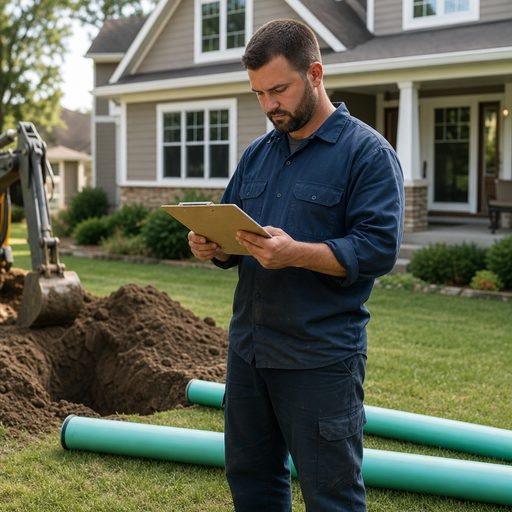
Deciding between a repair and a full replacement is a job for an experienced professional, ideally starting with a camera inspection that shows exactly what is happening inside the pipe. Sewer work is never a do-it-yourself project and should never involve digging or breaking into a slab on your own. When the damage is isolated, sewer line repair can address it directly; when the line is failing throughout, sewer line replacement is usually the better long-term value. To understand what a full replacement involves financially, see our guide on how much sewer line replacement costs, and to gauge whether age is working against your pipe, read how long a sewer line lasts by material.
Sources and further reading
These references support material safety, technical, consumer, or planning guidance in this article. Confirm property-specific requirements with the applicable authority and professional.