 Plumbing Advisors Editorial TeamEditorial StandardsUpdated July 5, 2026Source-Checked
Trenchless sewer replacement gives homeowners two modern alternatives to traditional excavation: pipe lining and pipe bursting. Both methods rely on small access points rather than a full-length trench—minimizing yard disruption. Each solution uses different technology and suits specific pipe conditions, so a camera inspection is essential to determine which approach, if either, fits your sewer line’s needs.
What Is Pipe Lining and How Does It Work?
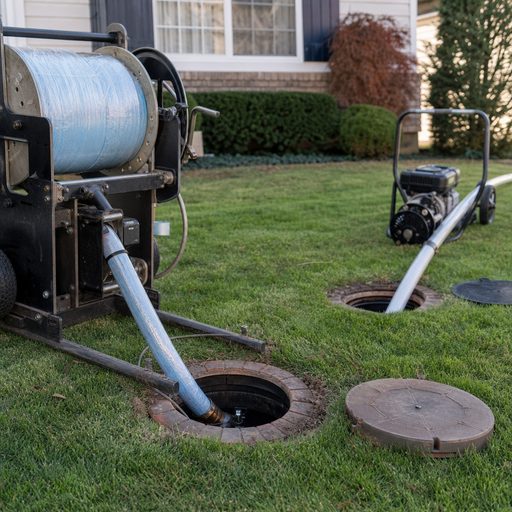
Pipe lining, also known as cured-in-place pipe (CIPP), is a trenchless sewer repair method that creates a new pipe within your existing one. The process starts with a thorough cleaning and video camera inspection of the original line to check for breaks, root intrusion, or obstructions. After prep, a flexible resin-saturated liner—often made from felt or fiberglass—is inserted into the pipe using water or air pressure. This liner is then inflated and cured, usually with hot water, steam, or ultraviolet (UV) light, hardening into a seamless new pipe wall just inside the old one.
This method preserves the route of the existing sewer line and needs only a small access point, typically at a cleanout or the pipe’s end. Brands like Perma-Liner and MaxLiner manufacture CIPP systems trusted by many trenchless repair professionals. The lining creates a jointless, corrosion-resistant barrier, typically adding decades to the service life. However, it does require the host pipe to be sufficiently intact for installation—major collapses, severe offsets, or blockages may rule out this approach.
- A flexible resin-coated liner is inserted through an existing cleanout or a dug access point.
- The liner is inflated and cured to form a hard, jointless pipe within the original.
- The liner integrates tightly against the old pipe’s inner wall, reducing chances for leaks.
- Minimal yard disruption—only one small pit may be needed if an access point does not exist.
- Works best when the old pipe is continuous and has enough structure to support the liner.
Understanding Pipe Bursting: Complete Pipe Replacement
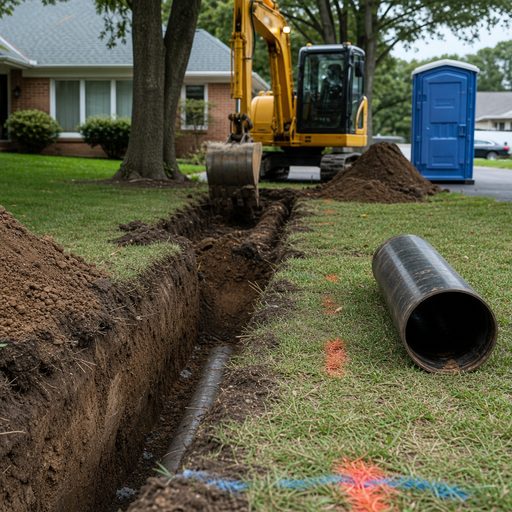
Pipe bursting is the go-to trenchless replacement method when the existing pipe is too deteriorated for lining. In this process, access pits are dug at both ends of the problem section. A robust steel cable threads a bursting head (sometimes called an expander or burst head) through the old sewer. As the head is winched along the line, it shatters the failing pipe outward into the soil, making room for a new pipe—often made from high-density polyethylene (HDPE)—that is simultaneously pulled into place. The new line follows the old grade and path, maintaining proper drainage slope.
This technique is common for clay, cast iron, or brittle PVC pipes with breaks, collapses, or root infiltration. Models like the HammerHead Trenchless pneumatics and TRIC Tools systems are widely used. Pipe bursting can install pipes of the same diameter or even increase pipe size slightly. It avoids long continuous trenches, but requires space at both ends of the pipe run for access pits and clear pathways for the bursting and pulling equipment.
- Two access pits: one at the start and one at the end of the pipe segment.
- A bursting head shatters the old pipe and pushes fragments into the surrounding soil.
- A new pipe (usually HDPE) is drawn into the line behind the bursting head.
- Can handle severely damaged, collapsed, or root-riddled sewers.
- Not suitable when the pipe path is blocked or has major directional bends that gear cannot navigate.
Typical Parts Used in Trenchless Methods
Common components for pipe lining and pipe bursting include flexible resin-coated liners, inflation bladders, bursting heads, HDPE pipe, and access pit shoring. For pipe lining, the integrity of the T-joint, lateral connections, and cleanout fittings are especially important. In both methods, a high-resolution inspection camera (such as those made by RIDGID) is crucial for diagnostics and ensuring a successful job.
How Pros Determine the Right Trenchless Method
Selecting between pipe lining and pipe bursting isn’t always straightforward. Most technicians begin with a sewer camera inspection using a scope to identify the severity, location, and extent of damage. Several factors determine which method gets recommended. If the existing sewer is largely intact—but has cracks, corrosion, or moderate root intrusion—pipe lining is likely, as it renews the line without removing the old pipe. However, if the pipe is crushed, severely offset, or obstructed by major debris, bursting becomes preferable because it creates a brand-new continuous pipe in the existing path.
Pros also evaluate pipe diameter, the presence of bends and connections, material type, access for equipment, and what structures or landscaping are above the affected area. Runs under major obstructions (driveways, patios, large trees) are exactly where both trenchless methods earn their keep. Building codes come into play, too, as local requirements may impact allowable pipe materials or relining thickness. Always verify accepted practices with your municipal plumbing department.
- Condition of host pipe: Is it intact, collapsed, or fragmented?
- Pipe material: Cast iron, clay, Orangeburg, and even some old PVC can affect suitability.
- Pipe diameter and length: Both methods have minimum and maximum limits.
- Access: Can access pits be safely dug at needed locations?
- Local plumbing and building code requirements: These may dictate what method or materials are approved.
Key Pros and Cons of Pipe Lining vs. Pipe Bursting
Pipe lining and pipe bursting each have their strengths and limitations. Pipe lining is appealing for projects aiming to limit disruption and preserve property features. It’s generally less invasive, creates no excavation except at entry, and is excellent for lines beneath expensive landscaping or structures. The main drawback is that it can only be used where the old pipe is still stable enough to support the liner and where the pipe’s size or shape isn’t too irregular. Additionally, sharp bends, collapsed sections, or lateral connections can complicate or prevent lining.
Pipe bursting is suitable for replacing pipes that are too damaged or misshapen for relining but where the original path remains navigable. It allows for a new pipe of equal or sometimes greater diameter, offering an upgrade in both flow and durability. The need for access pits means some yard disruption, and existing utilities or property features above each pit must be considered. Adhesion or grout for laterals can add complexity. Neither method is appropriate for every job—sometimes, open-trench replacement is the only safe or compliant option.
- Pipe Lining: Low-impact, may not suit collapsed or severely misshapen lines, preserves landscaping.
- Pipe Bursting: Installs a full new pipe, suits collapsed and root-damaged lines, needs end-to-end access pits.
- Both methods are code-governed—always confirm with your local building department before proceeding.
What’s Involved in a Trenchless Sewer Visit?
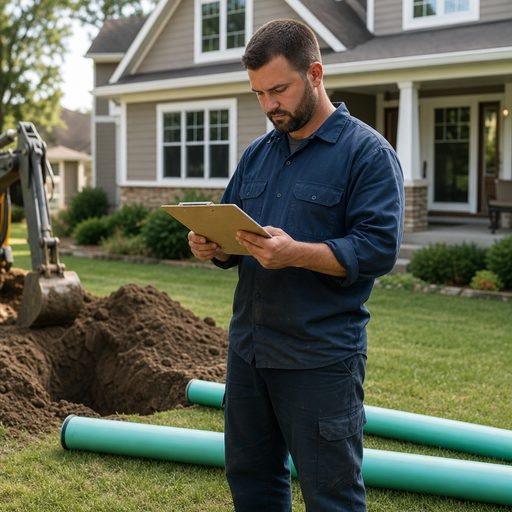
A trenchless sewer replacement visit starts with a video camera inspection to locate and define the problem spots. The technician will map out the sewer route and determine the best access points, typically cleanouts or points near your home’s foundation and at the property line. Next, they will discuss the options based on what the inspection reveals. If pipe lining is suitable, thorough cleaning—often with a hydro jetter or mechanical auger—is performed to clear debris and sediment. If bursting is required, access pits are carefully excavated, ensuring no damage to nearby utilities.
During the process, specialized equipment is used for liner inflation and curing, or for winching and bursting. Both methods require tying in new or existing lateral connections properly to prevent leaks. After completion, a final camera inspection confirms that flow has been restored and the repair meets current requirements. Most visits include a review of maintenance, recommended inspection intervals, and what can be flushed safely to preserve the new line. For an in-depth walkthrough, see our guide on What to Expect During a Sewer Line Replacement.
Save Your Sewer Inspection Record
Ask your professional for a digital copy of the sewer camera inspection video. This documentation is useful for future maintenance, property sales, or clarifying warranty questions.
What Drives the Cost of Trenchless Replacement?
Pipe lining and pipe bursting each come with unique cost drivers. The primary factors include the length and diameter of the pipe to be repaired or replaced, the depth underground, and the accessibility of entry points. Pipe material, the condition of the existing line, and obstacles such as driveways, trees, or dense landscaping can also increase complexity. The type of cured-in-place liner or HDPE pipe selected, and the amount of specialized equipment required, further influence the budget. Labor is skilled and may involve several technicians and several hours or more.
Since applications vary so much, it’s important to compare professional recommendations for your property. The best starting point is a qualified inspection followed by estimates from reputable companies offering Sewer Line Replacement and, if possible, Sewer Line Repair (if only a section needs addressing). For a breakdown of the influencing factors and comparison with traditional methods, read How Much Does Sewer Line Replacement Cost?.
Lifespan, Warranty, and Long-Term Care for Trenchless Pipes
Many trenchless repairs come with a material and labor warranty from the installer and are backed by manufacturer guarantees (Perma-Liner and HammerHead Trenchless, for example). These often require proof of proper installation and may hinge on periodic camera inspections. Homeowners should practice preventive care such as not flushing non-degradable items, scheduling periodic inspections, and watching for backup warnings. Both methods offer excellent longevity when maintained properly.
When to Consult a Specialist—and Related Guides
If you’re seeing frequent sewer backups, slow drains, or soggy spots in your yard, it’s time to call a Sewer Line Replacement expert. Deciding between lining and bursting depends on your specific pipe’s condition, which can only be assessed by camera and professional judgement. In some cases, a Sewer Line Repair may be enough if the issue is localized. For those preparing for significant work, guides like What to Expect During a Sewer Line Replacement provide valuable preparation tips. Understanding the main advantages, equipment, and limits of each trenchless option ensures you ask informed questions and can confidently review your technician’s plan.
Can pipe lining or pipe bursting be used on every type of sewer pipe?
Both methods cover a range of common pipe materials, including cast iron, clay, and older PVC. However, Orangeburg (bituminized fiber) pipes or lines with excessive sags, sharp bends, or major blockages may not be suitable for either pipe lining or bursting. A professional camera inspection is essential to confirm what’s possible.
Is it possible to increase pipe diameter during trenchless replacement?
Pipe bursting may allow for a slight increase in pipe diameter, as the bursting head can incorporate a larger replacement pipe than the original. Pipe lining, however, slightly decreases the internal diameter, as the liner sits inside the existing pipe. The size change depends on code allowances and existing pipe dimensions.
How much will trenchless sewer replacement disrupt my property?
Trenchless methods are designed to minimize yard, driveway, and landscaping disturbance. Pipe lining typically requires only one or two small access points. Pipe bursting needs pits at each end of the line but avoids a full-length trench. Some restoration is needed where pits are made, but most property features remain untouched.
What are signs I might need sewer line replacement or repair?
Common signs include recurring clogs, slow drains throughout the house, sewage odors inside or outdoors, gurgling noises, or visible wet spots in the yard. If multiple drains or toilets back up at the same time, especially after heavy water use, a sewer professional should inspect the line for damage or failure.
Sources and further reading
These references support material safety, technical, consumer, or planning guidance in this article. Confirm property-specific requirements with the applicable authority and professional.