 Plumbing Advisors Editorial TeamEditorial StandardsUpdated July 5, 2026Source-Checked
Professional drain cleaning costs depend on many factors, including the type and location of the clog, the method needed, and the time of service. There isn't one set price—your quote reflects how tough the job is and what equipment must be used. Understanding these drivers helps you recognize a fair, guidance-only estimate from a local pro.
What Factors Affect Professional Drain Cleaning Cost?
No two clogs are identical, so drain cleaning prices can vary widely. Several core factors affect how much you pay for a service call. The location of the clog—whether it's in a kitchen sink branch line or deep in a main sewer line—makes a big difference. So does the severity and cause: a shallow blockage of hair or soap is much quicker and easier to clear than a deep grease buildup, foreign object, or roots in the exterior sewer lateral.
The technique required also plays a major role. Standard snaking using a drain auger or cable is less involved than hydro jetting, which is used for serious blockages or to remove roots. Equipment like power augers, video inspection cameras, and high-pressure jets add complexity and may increase the charge. Finally, urgent or after-hours visits (nights, weekends) generally cost more than scheduled weekday appointments, as labor rates are higher.
- Drain location (kitchen, bathroom, main line, exterior line)
- Accessibility (is there a cleanout or must a fixture be removed?)
- Blockage severity (soft buildup vs. roots or solid foreign objects)
- Method used (manual snaking, motorized auger, hydro jetting)
- Need for diagnostics (camera inspection, dye testing)
- Service timing (standard hours vs. emergency or after-hours calls)
- Area labor rates and regional plumbing market conditions
Types of Clogs and How They Affect Price
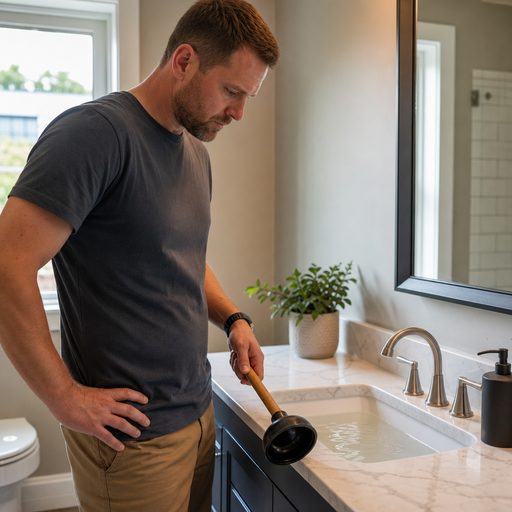
A minor clog in a bathroom sink drain or shower is usually less expensive to handle. These blockages—typically caused by hair, soap scum, or toothpaste—are close to the surface and often accessible at the P-trap or via a nearby cleanout. For these issues, plumbers can often use handheld augers or small drain snakes, such as those from Ridgid or Cobra.
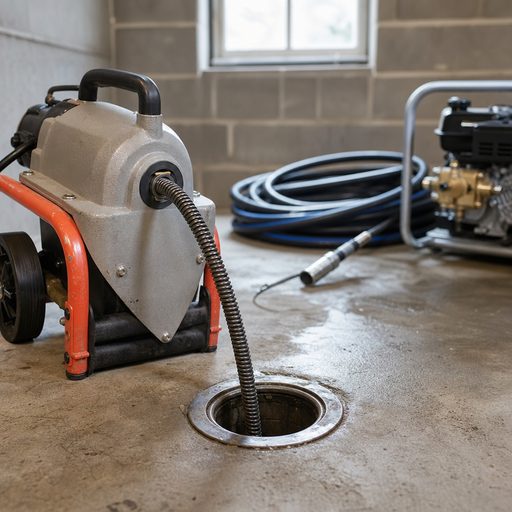
By contrast, blockages deeper in the plumbing system—like a main sewer line affected by tree roots or collapsed pipe—demand different tools. High-powered motorized drain machines and hydro jetting equipment manufactured by brands like General Pipe Cleaners or Spartan Tool may be required. When plumbers need to introduce a sewer camera (often from SeeSnake or RIDGID) to find the source, this diagnostic step is an additional cost driver. Multiple connected fixtures backing up at the same time often signal a far more serious (and costly) obstruction.
Drain Cleaning Methods: What Do They Involve?
Different drain cleaning approaches come with different complexity and equipment requirements. Snaking or cabling—using a manual or powered auger to break up and remove blockages—is the most common method for household drains. It’s effective for many routine clogs near the sink, tub, or shower and usually involves working at the P-trap or directly through a cleanout port. Plumbers may use branded machines such as the Ridgid K-400 to handle moderate jobs.
Hydro jetting, on the other hand, involves sending a high-pressure stream of water down the pipe to scour away buildup, particularly useful for grease, scale, or roots. This process is more involved and requires specialized jetting equipment, so it is typically reserved for main line or severe blockages. Sometimes, a combination of snaking and jetting is needed when initial attempts reveal stubborn obstructions. Understanding the pros and cons of each approach can help guide your expectations—see our separate guide, 'Drain Snaking vs. Hydro Jetting: How Each Works.'
Most Common Components Serviced When Cleaning Drains
Key parts involved in professional drain cleaning often include the P-trap (beneath sinks), cleanout plugs or caps, drain stoppers, and in some cases, pipe fittings like couplings or connectors. Video camera inspections employ specialized waterproof cameras attached to flexible cables for diagnostic purposes.
What to Expect During a Pro's Visit
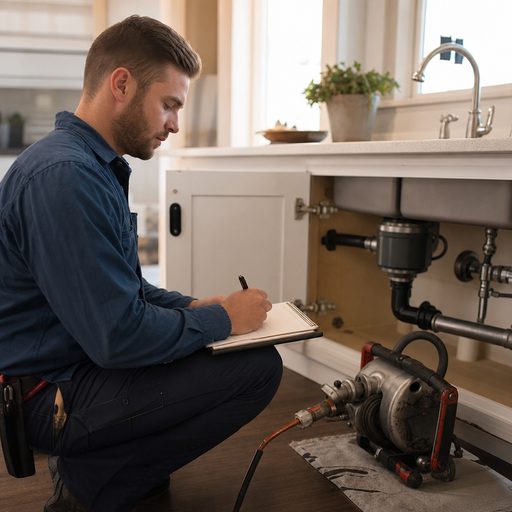
A typical professional drain cleaning starts with an inspection. The plumber identifies the affected fixtures, checks for visible issues like standing water, and may test other drains to see if it’s an isolated or system-wide blockage. In many cases, especially for repeat or severe problems, a camera inspection is performed. Inserting a camera into the pipe helps pinpoint the exact location and nature of the blockage—an essential step before beginning more invasive work in complex jobs.
Once the issue is located, the pro decides which cleaning method is appropriate. Throughout the process, they'll access the line through an existing cleanout, a removed P-trap, or by removing a drain cover. After clearing the blockage, reputable plumbers test the flow and inspect for leaks before finishing up. Many may suggest preventive tips or bring attention to parts that show signs of wear, such as worn-out washers or corroded piping. The full visit—from diagnosis to post-cleanup—can last from under an hour for simple clogs to several hours for more challenging jobs.
Hidden Issues: When Drain Cleaning Uncovers Bigger Repairs
Sometimes, even after a thorough cleaning, stubborn drain issues may persist. If a clog returns quickly or multiple fixtures back up simultaneously, this can signal deeper problems—like collapsed pipes, bellied sections, or tree roots invading the sewer line. Video camera inspection becomes invaluable here, revealing defects inside pipes that can’t be identified by surface symptoms alone.
If a plumber discovers pipe damage or main line failure, they may recommend pipe relining, spot repair, or in severe cases, partial pipe replacement—substantially expanding the project scope. These are typically not 'cleaning' jobs but larger plumbing repairs. Discuss in detail what the problem is, which repairs are urgently needed versus recommended, and how any new work will affect cost (see the related cost guide for context). Addressing root causes promptly prevents recurring backups and further water or waste damage.
Qualities of a Fair Estimate and How to Compare Quotes
A transparent drain cleaning estimate should break down the work being proposed. Ask what method will be used (snaking, jetting, camera inspection), whether the quote covers one fixture or the main line, and if there are separate charges for diagnostics or after-hours labor. A fair estimate is based on an in-person assessment and a clear explanation of the problem and solution—not just a generic flat rate over the phone. Beware of low-ball offers that don’t specify what’s included, as these sometimes lead to add-on fees once work begins.
When comparing multiple quotes, consider not just the total but the scope of work. Does the estimate include returning if problems recur within a set time, or will deeper inspection be extra? Reliable plumbers explain recommended maintenance steps after cleaning, such as periodic camera checks or enzyme drain treatments (safe biological products, not chemical cleaners). Evaluate professionalism, communication, and thoroughness, not just the bottom-line figure. For tips on identifying a trustworthy service and when to prioritize a professional's help, check our related guides 'Signs You Need Professional Drain Cleaning (vs. a DIY Plunge)' and 'Drain Cleaning.'
- Ask if the quote includes both labor and equipment for snaking or jetting.
- Clarify whether additional diagnostics (camera inspection) are needed and separate.
- Confirm whether the price is for one drain/fixture or the whole main line.
- Discuss if future maintenance or preventive visits are recommended.
- Request a written summary for clarity before approving any work.
Prevention: Keeping Drains Clear Between Professional Cleanings
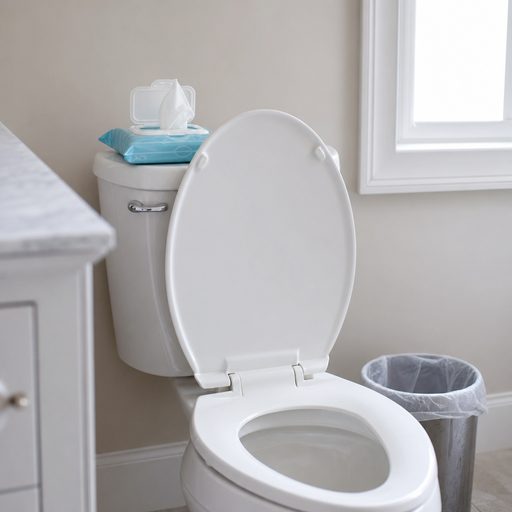
Many drain issues can be minimized with routine maintenance and awareness of what goes down your pipes. Avoid flushing items like wipes, hygiene products, or grease, and install mesh strainers or drain screens in sinks and tubs to catch hair or debris before it causes trouble. Regularly clean strainers and stoppers, and run hot water through drains to help prevent accumulation of soap scum and oils.
Some homeowners benefit from using natural or enzyme-based drain cleaning products periodically—but avoid harsh chemical solutions as they can damage pipes and are not recommended by most professionals. If your plumbing is prone to slow drains, consider an annual camera inspection to spot early warning signs. Replacing old or corroded components like P-traps, couplings, or washers can also help reduce the risk of leaks or stubborn clogs. For persistent or complex issues, reading our 'Clogged Drain' service guide can help you decide when it's actually time to call a pro.
Schedule Preventive Cleaning for Problem Prone Lines
Households with older pipes or a history of recurring clogs may benefit from scheduled preventive drain cleaning. Having a plumber perform maintenance snaking or a camera check annually can catch developing problems early—potentially saving money and hassle over emergency visits.
How Does Drain Cleaning Cost Compare to Other Services?
Drain cleaning is generally less intensive than full pipe replacement or repairs related to sewer line damage, but more involved than DIY plunging or simple P-trap clearing. When a camera inspection, hydro jetting, or repair is added, the job's complexity and duration increase. Sometimes, what starts as a cleaning reveals underlying issues—like invasive tree roots (common in older clay or cast iron pipes) or a failed wax ring on a toilet—that only surface with thorough diagnostics.
To get the best value from your service, ask plumbers to explain what parts are being checked and serviced. This may include P-traps, cleanout ports, couplings, or badly worn gaskets. Well-maintained brands like Kohler, Delta, or Moen drains tend to have fewer clog issues if fitted with appropriate strainers and routinely serviced. For a broad overview of cost considerations, review the related cost guide and compare with related plumbing maintenance services.
How do plumbers find out where a drain is clogged?
Plumbers use their experience—listening for gurgling, checking which fixtures are backing up, and sometimes introducing colored dye into drains to locate slow movement. For deeper or unclear blockages, they may employ a video inspection camera. This tool provides a real-time view inside the pipes, pinpointing the exact location and type of clog.
Is hydro jetting safe for all types of pipes?
While hydro jetting is effective at dislodging tough buildup, it’s best suited to sturdy drain and sewer lines—typically cast iron, PVC, or ABS pipes in good condition. Weakened, old, or fragile pipes can be damaged by high pressure. Ask your plumber to assess your pipe material and condition before approving this method.
What are common preventable causes of drain clogs?
Most household clogs are caused by items like hair, soap scum, grease, food debris, or flushing non-dissolvable materials (like wipes or feminine hygiene products) down toilets. Using mesh strainers, disposing of grease properly, and being mindful of what goes into your drains can greatly reduce clogs between professional cleanings.
How often should I have my drains professionally cleaned?
For most homes, professional drain cleaning is only needed when there are signs of persistent or repeated backups—slow draining or gurgling sounds. However, if you live in an older home with frequent issues, an annual camera inspection or preventive cleaning by a drain specialist may be worthwhile to head off bigger problems.
What parts are commonly replaced or serviced during drain cleaning?
During cleaning, plumbers may service or replace P-traps under sinks, cleanout caps, rubber washers, and drain stoppers. In some cases, they’ll spot deteriorated couplings or harbingers of larger repairs, like cracks or corrosion in the main line. Video inspections use specialized cameras and flexible cables to diagnose hidden problems.
Sources and further reading
These references support material safety, technical, consumer, or planning guidance in this article. Confirm property-specific requirements with the applicable authority and professional.