
Plumbing Installation
Plumbing Installation in Wyoming
For plumbing installation in Wyoming, start by documenting what is being installed, whether its location changes, and which existing systems must be modified. A professional should confirm the property-specific cause, scope, credentials, and applicable local requirements before work begins.
Plumbing Advisors provides guidance and connection assistance. Independent providers perform the plumbing work and confirm availability, pricing, timing, and credentials.
On this pageOverview
 Plumbing Advisors Editorial TeamEditorial StandardsSource-Checked
Plumbing Installation across Wyoming
For plumbing installation in Wyoming, start by documenting what is being installed, whether its location changes, and which existing systems must be modified. A professional should confirm the property-specific cause, scope, credentials, and applicable local requirements before work begins.
New and relocated plumbing must be coordinated with structure, finishes, electrical, gas, and applicable inspections.
When plumbing installation may fit
- You are adding or replacing a fixture, faucet, or appliance
- A kitchen or bathroom remodel needs plumbing moved or added
- You are finishing a basement or adding a bathroom
- A new appliance needs a water or drain line that does not exist yet
- New construction needs supply and drain lines roughed in
Causes or scope drivers to inspect
- Upgrading old or worn fixtures and appliances
- Remodeling a kitchen or bathroom that changes the layout
- Adding a bathroom, wet bar, or laundry where there was none
- Replacing an appliance that needs a new connection point
- Building new and needing the plumbing system installed from scratch
- Relocating fixtures to a more practical spot
Comparing a plumbing installation quote
For plumbing installation in Wyoming, compare itemized quotes for the same inspected scope. Access, testing, equipment or parts, permits, restoration, and urgency can affect the final price.
Typical plumbing installation costs
| Project | Typical cost range |
|---|---|
| Toilet installation | $215–$650 |
| Appliance hookup (dishwasher, disposal, washer) | $175–$630 |
| Whole-home rough-in (new construction) | $8,500–$33,500 |
Service-call fees
| Service | Typical cost range |
|---|---|
| Service call / project assessment | $75–$250 per visit |
Per-item costs
| Item or service | Typical cost range |
|---|---|
| Faucet or simple fixture install | $165–$480 per unit |
Cost ranges are estimates developed from standardized project scopes and reviewed pricing inputs. Government labor and regional cost data are used where applicable. See our Pricing Methodology for the exact sources, calculations, and review date. Actual prices vary by property, scope, materials or equipment, location, and provider.
What affects the cost
- Whether supply and drain connections already exist or must be run
- The type and number of fixtures or appliances being installed
- Quality and price of the fixtures and materials chosen
- How accessible the work area is behind walls, floors, or in a crawl space
- Whether the project is a simple swap, a remodel, or new construction
- Permits and inspections where local code requires them
- Regional labor rates and project scheduling
State guidance for Wyoming
For plumbing installation in Wyoming, prepare measurements, routing, shutoffs, drainage, venting, adjacent trades, permits, and finish restoration. Confirm the inspected scope, credentials, permits, inspections, exclusions, and restoration responsibility before authorizing work.
Credential verification
Wyoming does not issue a state plumbing license — there is no single statewide plumbing board. Instead, plumber licensing is handled locally, so requirements depend entirely on the city or county where the work is done.
Larger cities run their own licensing: for example, the City of Cheyenne licenses contractors and plumbers (apprentice, journeyman, and master/qualified supervisor) through its Compliance Department, and the City of Casper licenses plumbers through its Community Development Department. Some smaller towns may not require a license at all, so always confirm the rules with your local building department.
Permits and inspections
Permit and inspection requirements in Wyoming are set locally and vary widely by city and county. In municipalities such as Cheyenne and Casper, the city building or compliance department issues plumbing permits and may require a locally licensed plumber to pull them, while some smaller or rural jurisdictions have lighter requirements. Always check with your local building department before work begins.
Relevant water context
Water hardness in Wyoming ranges from moderately soft to hard depending on local geology — areas with limestone bedrock, such as the Bighorn Basin and parts of western Wyoming, tend toward harder water, while some basins run softer. Private wells are common across the state's rural areas. The Wyoming Department of Environmental Quality offers guidance for private well owners, who are responsible for their own water testing.
What to expect
- 1Describe the project so the right scope and trade can be matched
- 2Have a plumbing professional review the space and confirm what is needed
- 3Pull any permits your local code requires before work begins
- 4Run or modify supply and drain lines for the new fixture or appliance
- 5Set, connect, and seal the fixture or appliance
- 6Pressure-test, check for leaks, and schedule inspection where required
Safe checks before the visit
- Confirm the new fixture or appliance fits the space and existing connections
- Check that supply and drain lines already reach where you want the fixture
- Note your home's pipe size and shutoff locations for the installer
- Gather model numbers and spec sheets for any appliance being installed
- Find out whether your project is likely to need a permit
Plumbing Installation by city in Wyoming
Plumbing Installation in Wyoming: FAQs
How do I prepare for plumbing installation in Wyoming?
Document what is being installed, whether its location changes, and which existing systems must be modified and prepare measurements, routing, shutoffs, drainage, venting, adjacent trades, permits, and finish restoration. Ask the professional to confirm the inspected scope, credential, permit responsibility, and exclusions in writing.
Does Wyoming guidance diagnose my plumbing installation problem?
No. State information helps with credential, permit, and planning questions. The cause, responsibility, and repair or project scope still need to be confirmed for the specific property.
What kinds of plumbing installations are most common?
The everyday ones are fixtures and appliances: faucets, sinks, toilets, tubs and showers, garbage disposals, dishwashers, washing machines, and water heaters. Larger projects add or move water and drain lines for remodels, new bathrooms, and new construction. The right approach depends on whether the connections already exist or need to be run.
Do I need a permit to install plumbing?
It depends on the work and your local rules. Swapping a faucet or fixture in the same spot often does not, while moving or adding water or drain lines, adding a bathroom, or new construction usually does, along with an inspection. A licensed plumbing professional will know your area's requirements and can handle the permit.
Can I supply my own fixture and just have it installed?
Often yes. Many homeowners buy their own faucet, toilet, or appliance and hire out the installation. Make sure the model fits the space and existing connections, and keep the spec sheet handy. Ask the installer whether they warranty labor on customer-supplied fixtures, since some only warranty parts they provide.
How long does an installation take?
A straightforward fixture swap can take an hour or two, while installing an appliance that needs a new line, or plumbing a remodel, can take a day or more. New construction rough-in is staged with other trades over the course of the build. The installer can give a realistic timeline once they understand the scope.
What is a rough-in?
Rough-in is the stage where the water supply and drain lines are run and positioned inside walls and floors before the walls are closed up and fixtures are set. It happens early in a remodel or new build and is later followed by the finish stage, when the visible fixtures are installed and connected.
Sources
These public and primary references support the state, safety, credential, permit, equipment, or efficiency guidance used here. They do not diagnose a specific property.
- U.S. EPA WaterSense - Home maintenance
- U.S. EPA WaterSense - Fix a Leak Week
- NSF - Faucets and plumbing products
- NSF - Safety of PEX plumbing products
- City of Cheyenne — Building Permitting & Licensing (local plumber licensing)
- City of Lander — plumbing contractor license (example of local licensing)
- Wyoming DEQ — groundwater & private well guidance
Plumbing Installation guides
Learn before planning plumbing installation in Wyoming.
Read related problem, scope, cost, and planning guidance before comparing options.
How Often Should Your Home's Plumbing Be Inspected?
What Does a Sewer Ejector Pump Do (and When Do You Need One)?
What Is Polybutylene Pipe and Should You Replace It?
Is PEX Safe for Drinking Water?
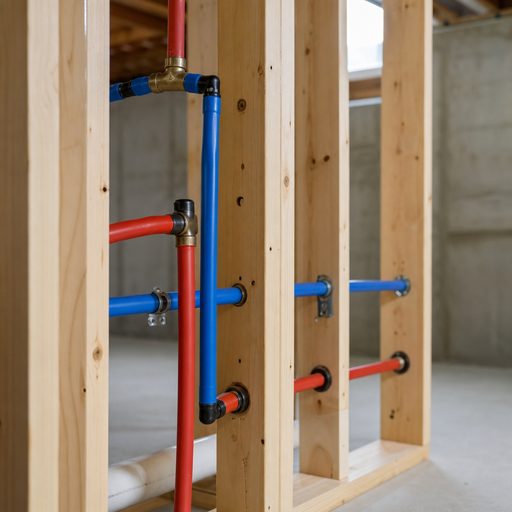
How Long Does PEX Plumbing Last?
Why Is My Sump Pump Running When It's Not Raining?
Do I Need a Battery Backup Sump Pump?
How Long Do Sump Pumps Last?
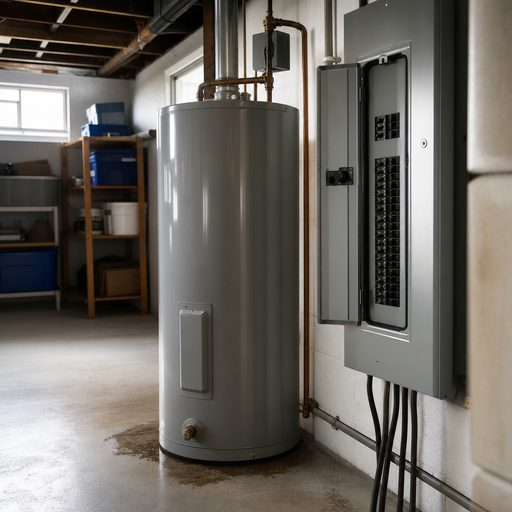
Why Is My Water Heater Tripping the Breaker?
Need Plumbing Help Now?
Call Plumbing Advisors to connect with help for leaks, drains, water heaters, sewer lines, burst pipes, toilets, faucets, and more.
No-obligation request · Availability varies by location and provider