 Plumbing Advisors Editorial TeamEditorial StandardsSource review July 31, 2026Source-Checked
Define what is being added, moved, and connected
Swap, relocation, or new rough-in?
Classify the Los Angeles project as a compatible swap, relocation, added fixture, or new rough-in, then align product listings, plumbing permits, contractor status, other trades, inspections, and final tests.
A fixture swap, a relocated connection, and a new room are different installations. Product choice should follow measured fit, existing-system capacity, permits, trade responsibilities, and a complete test plan.
What changes the installation scope
Start with the product, exact location, existing connections, changes behind walls or floors, and every other trade the project may touch.
| What you notice | What it may indicate | What to do next |
|---|---|---|
| The new product will use existing connections | A measured same-location installation may fit | Verify dimensions, listings, connection condition, service access, permit basis, and startup tests. |
| The product or fixture will move | Supply, drainage, venting, structural, finish, and permit work may expand | Request a drawing and a trade-by-trade scope before product purchase. |
| A new room or fixture group is being added | New rough-in and coordination with other systems may be required | Plan routes, capacity, access, inspections, wall closure, finish work, and final testing together. |
| The installation includes gas or electrical equipment | Separate qualified trades, permits, controls, and startup tests may be required | Ask the Los Angeles proposal to name every responsible trade and approval. |
Build one comparable Los Angeles installation scope
Use Building and Safety forms for the applicable plumbing review and CSLB guidance to compare bids based on the same plans and specifications. Product fit and site conditions still have to be verified separately.
A fixture or appliance remains in place
Confirm measurements, product listing, existing connection condition, permit basis, and startup test.
The location or piping changes
Show the route, drainage and venting, access, other trades, permit review, inspection, and restoration.
The project has several bidders
Give each bidder the same product schedule, drawings, trade boundaries, tests, and exclusions.
The project mixes plumbing and electrical or gas work
Name each responsible trade and permit instead of treating the plumbing bid as complete by default.
A California license check and Los Angeles permit form are necessary planning tools, but neither confirms that a product fits this property.
Sources: Plumbing Permits, How Do I Find the Right Licensed Contractor?
Define the installation project in Los Angeles
Share what will be installed, whether it stays in the same location, which connections exist, and what walls, cabinets, floors, gas, or electrical work may change.
No-obligation request · Availability varies by location and provider
What professional plumbing installation service does
From a single new faucet to the rough-in for a whole remodel, getting plumbing installed correctly the first time saves leaks and headaches later. Plumbing Advisors helps you understand the work and connect with installation help.
A plumbing installation plan should identify the exact product, measured opening and clearances, potable-water and drainage connections, venting where relevant, support, shutoffs, access, and required testing. Product delivery and site preparation should be assigned before work begins.
The proposal should separate plumbing from electrical, gas, carpentry, waterproofing, demolition, finish work, permits, inspections, and disposal. The broad installation page helps define the project; the matching fixture or appliance page should control the technical details.
Why one installation can be much larger than another
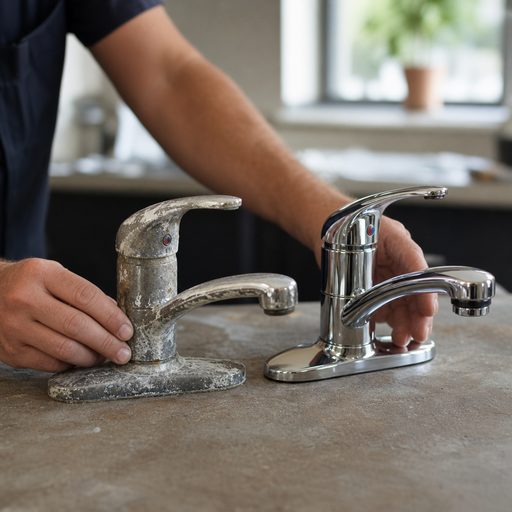
A like-for-like product uses existing connections
The simplest project keeps the location and verifies that the product, mounting, supplies, drain, venting, controls, and service access match the existing conditions.
Sources: Safe Drinking Water Act Lead-Free Requirements for Plumbing Products
A fixture or appliance moves
Relocation can add supply, drainage, vent, structural, finish, electrical, gas, and permit work even when the visible product looks similar.
New piping will carry drinking water
Pipes, fittings, fixtures, solder, and flux used for potable service must meet applicable lead-free requirements; the exact product listing and intended use should be verified.
Sources: Safe Drinking Water Act Lead-Free Requirements for Plumbing Products
The installation is part of a larger remodel
Rough-in, inspection, wall closure, finish installation, and final testing have to be sequenced with the other trades rather than priced as one isolated fixture swap.
What to gather before installation
- Keep the product specification, model number, installation manual, and listing information available.
- Measure the opening, mounting points, deck or wall thickness, clearances, connection locations, and service access.
- Photograph existing supplies, shutoffs, drains, vents, controls, gas or electrical connections without disconnecting them.
- Identify whether the project is a same-location swap, a relocation, an added fixture, or a new rough-in.
- List demolition, cabinetry, flooring, waterproofing, painting, electrical, gas, and inspection work that may need separate responsibility.
Use products approved for their intended water service
A product suitable for drainage or another non-potable use is not automatically suitable for drinking-water plumbing. Verify the exact listing, material, connection, and intended application before installation.
Sources: Safe Drinking Water Act Lead-Free Requirements for Plumbing Products
What must be stabilized before planned installation
Pause planned installation when the existing system has an uncontrolled leak, wastewater backup, gas concern, structural hazard, or wet electrical equipment. Stabilization and diagnosis come first.
- Active water is spreading into the proposed work area.
- Wastewater or an unknown contaminated source is present.
- Wet electrical equipment or unsafe access prevents a dry inspection.
- The project requires unplanned structural, gas, electrical, or utility isolation before plumbing can begin.
How the installation path should be classified
Classifying the project before bidding keeps a simple swap from hiding a relocation, new rough-in, utility change, or multi-trade remodel.
| Method | Where it may fit | Important limitation |
|---|---|---|
| Same-location replacement | A compatible product uses verified existing connections and clearances | Hidden damage, failed shutoffs, incompatible mounting, or changed codes can expand the work after inspection. |
| Relocated fixture or appliance | The product moves and supply, drainage, venting, controls, or structure must change | The proposal must include access, permits, other trades, restoration, and testing rather than only fixture labor. |
| Added branch or room rough-in | A new fixture group, bathroom, laundry, kitchen, or wet area needs new distribution and drainage | Capacity, venting, route, structure, sequencing, inspection, and finish responsibilities require project-level planning. |
| Specialty or multi-trade installation | Gas, electrical, pumping, treatment, controls, waterproofing, or structural work is involved | Each trade, permit, startup test, and warranty boundary should be named in writing. |
Sources: Safe Drinking Water Act Lead-Free Requirements for Plumbing Products
What genuinely changes plumbing installation in Los Angeles
Los Angeles permit review follows the proposed plumbing work
Use the current Building and Safety forms and publications for the exact installation instead of assuming every replacement, relocation, or rough-in follows one path.
Sources: Plumbing Permits
Comparable bids need identical plans and specifications
CSLB recommends written bids based on the same scope. Product, rough-in, trade, permit, test, restoration, and warranty assumptions should match.
Potable-water products require intended-use verification
Federal lead-free rules apply to covered drinking-water plumbing components; the installer should document the exact product and application.
Sources: Safe Drinking Water Act Lead-Free Requirements for Plumbing Products
Comparing a plumbing installation estimate
A Los Angeles plumbing installation estimate should price the complete product, connection, trade, approval, and testing plan.
Scope factors
- Exact product, listing, dimensions, mounting, household fit, and warranty
- Reuse or modification of supply, drainage, venting, gas, electrical, controls, and structure
- Access, demolition, protection, cabinetry, waterproofing, flooring, and finish restoration
- Permits, plans, inspections, delivery, disposal, scheduling, and other trades
- Rough-in, finish, leak, flow, operation, startup, and owner-handoff testing
Questions for the estimate
- Which exact product and measured site assumptions are included?
- What plumbing, other-trade, permit, inspection, and restoration work is assigned?
- What must remain accessible before walls or finishes close?
- Which final tests, documents, warranties, and owner instructions are included?
What to tell Plumbing Advisors
A useful installation request combines product specifications, site measurements, existing connections, permit planning, and clearly assigned trade work.
- Provide the exact product, model, intended use, and proposed Los Angeles location.
- Measure the opening, mounting points, clearances, and visible connection locations.
- Photograph supplies, drains, vents, shutoffs, controls, and service access without disconnecting them.
- State whether the project is a same-location swap, relocation, added fixture, or new rough-in.
- Ask the proposal to assign products, trades, permits, inspections, restoration, tests, warranties, and exclusions.
Plumbing Advisors does not dispatch its own local technicians. The independent professional is responsible for confirming availability, credentials, diagnosis, price, warranty terms, and work performance.
Plumbing Installation in Los Angeles: frequently asked questions
What makes Los Angeles installation bids comparable?
Use the same product schedule, drawings, connection changes, plumbing and other trades, permits, inspections, finish work, testing, warranties, and exclusions for every bid.
Does a valid California contractor license prove the installation design is correct?
No. It is an important verification step. The product, site measurements, connections, permits, plans, and tests still have to support the proposed design.
Sources and editorial methodology
Sources are included when they substantively support a local, safety, technical, or consumer decision on this page.
- Federal guidance supports product-use requirements without deciding a local design.
- Los Angeles sources support the permit path only for the proposed project.
- CSLB supports license and comparable-bid checks and is not used as a provider recommendation.
U.S. Environmental Protection Agency
WaterSense - Home MaintenanceU.S. Environmental Protection Agency
WaterSense - Leak Detection and Flow Monitoring DevicesU.S. Environmental Protection Agency
Safe Drinking Water Act Lead-Free Requirements for Plumbing ProductsCenters for Disease Control and Prevention
Safety Guidelines: Reentering Your Flooded HomeLos Angeles Department of Water and Power
How to Detect a Water LeakLos Angeles Department of Building and Safety
Plumbing PermitsCalifornia Contractors State License Board
How Do I Find the Right Licensed Contractor?