
Sewer Camera Inspection
Sewer Camera Inspection in Connecticut
Sewer Camera Inspection across Connecticut begins with the same useful question: Use a camera when a clean, accessible line can answer a specific condition or locating question. State context can guide credential and permit checks, but it cannot diagnose a specific property.
Plumbing Advisors provides guidance and connection assistance. Independent providers perform the plumbing work and confirm availability, pricing, timing, and credentials.
On this pageOverview
 Plumbing Advisors Editorial TeamEditorial StandardsSource-Checked
Sewer Camera Inspection across Connecticut
Sewer Camera Inspection across Connecticut begins with the same useful question: Use a camera when a clean, accessible line can answer a specific condition or locating question. State context can guide credential and permit checks, but it cannot diagnose a specific property.
A camera view should be paired with line locating and cleaning when debris or standing water blocks interpretation.
When sewer camera inspection may fit
- Clogs or backups keep coming back after clearing
- You are buying a home and want the sewer line checked first
- You suspect tree roots are getting into the line
- A repair is being considered and you want the cause confirmed
- You want to know the condition of an older sewer line
Causes or scope drivers to inspect
- Recurring clogs that snaking only fixes for a short time
- Tree and shrub roots suspected in the line
- An older home with an unknown sewer line condition
- A home purchase where the buried line cannot be seen otherwise
- Sewage odors or backups with no obvious cause
Comparing a sewer camera inspection quote
For sewer camera inspection in Connecticut, compare itemized quotes for the same inspected scope. Access, testing, equipment or parts, permits, restoration, and urgency can affect the final price.
Typical sewer camera inspection costs
| Project | Typical cost range |
|---|---|
| Inspection with line locating | $250–$690 |
Additional project costs
| Additional work | Typical cost range |
|---|---|
| Added cleanout access | $330–$1,900 |
| Recorded video or report copy | $25–$150 |
Cost ranges are estimates developed from standardized project scopes and reviewed pricing inputs. Government labor and regional cost data are used where applicable. See our Pricing Methodology for the exact sources, calculations, and review date. Actual prices vary by property, scope, materials or equipment, location, and provider.
What affects the cost
- Whether an accessible cleanout already exists
- The length and layout of the line to be inspected
- Whether locating the problem from the surface is included
- Whether a written report or recorded video is provided
- Whether the inspection is bundled with clearing or a repair
- Regional labor rates
State guidance for Connecticut
For sewer camera inspection in Connecticut, prepare cleanout access, line cleaning, camera reach, locating, recording, and written findings. Confirm the inspected scope, credentials, permits, inspections, exclusions, and restoration responsibility before authorizing work.
Credential verification
Plumbing in Connecticut is regulated statewide by the Department of Consumer Protection (DCP), working with the Examining Board for plumbing and piping. For most plumbing work, hire a state-licensed plumber and verify the license through the DCP's online license lookup.
DCP issues an Unlimited Plumbing Contractor license (P-1), which authorizes all plumbing and piping work, and an Unlimited Journeyperson Plumber license (P-2), who performs that work while employed by a licensed contractor. There are also limited license categories (for example, P-6 and P-7 for sewer, storm, and water lines), so it is fair to confirm the holder is licensed for your specific job.
Permits and inspections
Permits and inspections are administered locally by each municipality's building official, even though licensing is statewide. Regulated plumbing work generally requires a licensed plumber to pull the permit, though Connecticut law lets owner-occupants of a single-family home do and permit their own work, subject to inspection and approval by the local building official and the State Building Code. Minor like-for-like repairs are often exempt, but always check with your town's building department first.
What to expect
- 1Connect with a plumbing professional that services your area
- 2Provide access through a cleanout or another entry point
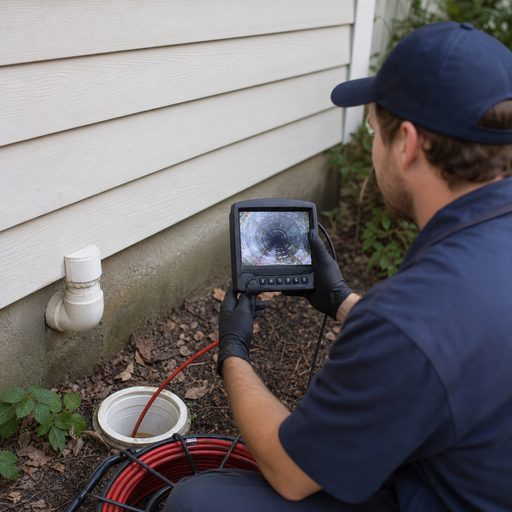
- 3The pro feeds a video camera through the line
- 4Watch the footage to see the cause and condition in real time
- 5Locate the exact spot and depth of any problem from the surface
- 6Review the findings and the recommended next steps
Safe checks before the visit
- Note whether clogs keep returning and how often
- Locate any sewer cleanout access so the inspection is easier
- Write down which fixtures are affected and when
- Ask the professional to record and share the footage
- Do not attempt to dig or open the buried line yourself
Sewer Camera Inspection by city in Connecticut
Related plumbing problems
Sewer Camera Inspection in Connecticut: FAQs
How do I prepare for sewer camera inspection in Connecticut?
Document whether recurring backups, purchase planning, or a proposed repair requires documented line condition and prepare cleanout access, line cleaning, camera reach, locating, recording, and written findings. Ask the professional to confirm the inspected scope, credential, permit responsibility, and exclusions in writing.
Does Connecticut guidance diagnose my sewer camera inspection problem?
No. State information helps with credential, permit, and planning questions. The cause, responsibility, and repair or project scope still need to be confirmed for the specific property.
What is a sewer camera inspection?
A plumbing professional feeds a small, waterproof video camera on a flexible cable through your sewer or drain line, usually starting at a cleanout. The live video shows the inside of the pipe in real time, so the cause and location of a problem can be seen rather than guessed at.
When is a sewer camera inspection worth it?
It is most useful when clogs keep coming back, when you are buying a home and want the buried sewer line checked, or when you suspect roots, a crack, or a collapse. It is also a good way to learn the condition of an older line before committing to any repair.
What can a sewer camera find?
A camera can reveal root intrusion, cracks, broken or collapsed sections, separated joints, bellied or sagging stretches, grease and scale buildup, and blockages. It can also show the pipe material and general condition, which helps a professional recommend the right fix.
Can the camera tell where the problem is in my yard?
Yes. Many cameras include a transmitter, and the professional uses a locator above ground to mark the exact spot and depth of a problem. That makes any repair far more precise and helps avoid digging in the wrong place.
Should I get a sewer camera inspection before buying a house?
It is often a smart step, especially for older homes or properties with large trees near the line, because the buried sewer is not covered by a standard home inspection. Finding a problem ahead of time can save you from an expensive surprise after closing.
Sources
These public and primary references support the state, safety, credential, permit, equipment, or efficiency guidance used here. They do not diagnose a specific property.
- MedlinePlus - Drain cleaner poisoning
- U.S. EPA - Household hazardous waste
- U.S. EPA - Frequent questions on septic systems
- CDC - Guidelines for cleaning safely after a disaster
- CDC - Septic and onsite wastewater systems during floods
- CT Department of Consumer Protection — plumbing licenses and scope of work
- CT Department of Consumer Protection — plumbing and pipefitting licensing
- CT Department of Public Health — hard water and softeners (private wells)
- Connecticut General Assembly (OLR) — repairs by homeowners
Sewer Camera Inspection guides
Learn before planning sewer camera inspection in Connecticut.
Read related problem, scope, cost, and planning guidance before comparing options.
How Often Should Your Home's Plumbing Be Inspected?
What Is a Sewer Cleanout and Where Do You Find It?
Why Does My Drain Keep Clogging?
What a Sewer Camera Inspection Reveals Before Repair
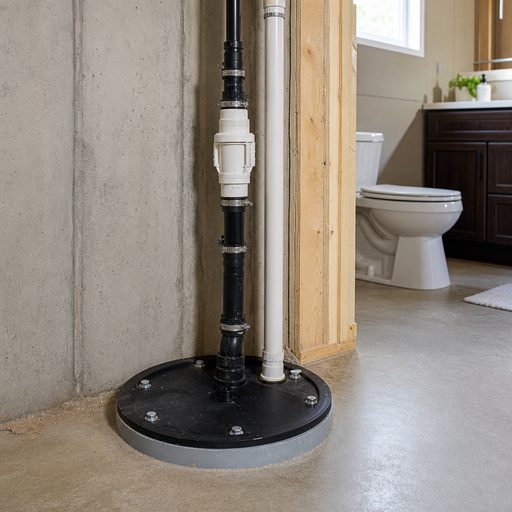
What Does a Sewer Ejector Pump Do (and When Do You Need One)?
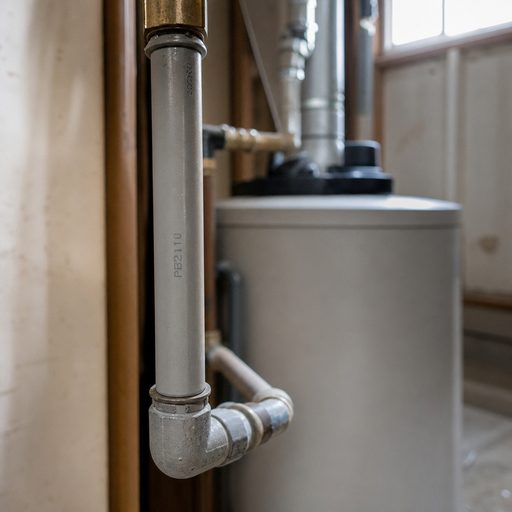
What Is Polybutylene Pipe and Should You Replace It?
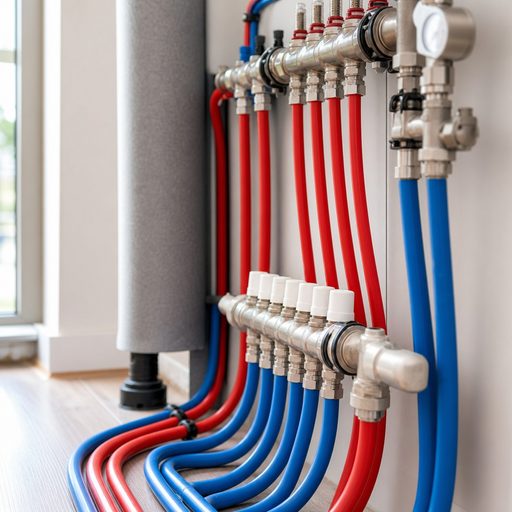
Is PEX Safe for Drinking Water?
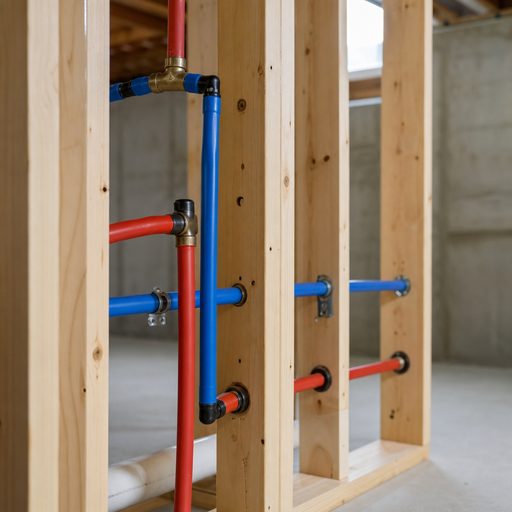
How Long Does PEX Plumbing Last?
Why Is My Sump Pump Running When It's Not Raining?
Need Plumbing Help Now?
Call Plumbing Advisors to connect with help for leaks, drains, water heaters, sewer lines, burst pipes, toilets, faucets, and more.
No-obligation request · Availability varies by location and provider