 Plumbing Advisors Editorial TeamEditorial StandardsUpdated April 18, 2026Source-Checked
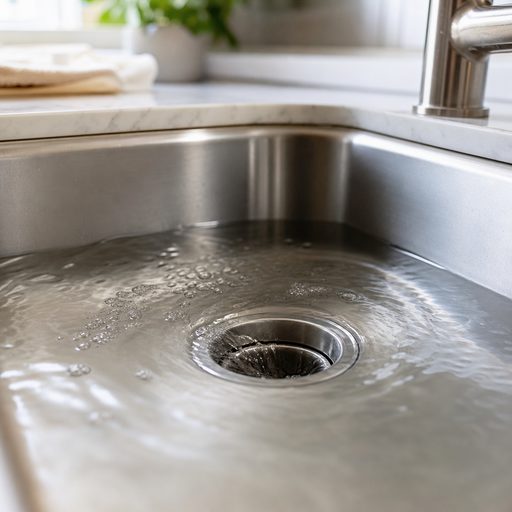
A sink that drains at a crawl is one of the most familiar plumbing complaints, and the good news is that the cause is usually simple and local. Most slow sinks come down to gradual buildup in or just below the drain, and a few safe checks will often get the water moving again. Still, a slow sink can occasionally be an early sign of a larger problem further down the line, so it helps to understand the common causes and know which fixes you can safely try yourself before reaching for the phone.
Common Reasons a Sink Drains Slowly
A bathroom sink and a kitchen sink tend to clog for different reasons, but both build up trouble in the same general spot, usually the stopper, the trap, or the short branch line just beyond it. In a bathroom, hair and soap scum bind together into a stubborn mat, while a kitchen sink collects grease, food particles, and coffee grounds that harden over time. Less obvious causes can be at work too, which is why it pays to consider the full list before assuming the worst.
- Hair and soap buildup clinging to the stopper and the walls of the trap.
- Grease and food debris narrowing a kitchen drain over weeks of normal use.
- A pop-up stopper that has collected gunk and no longer seats or releases properly.
- A partial clog in the P-trap, the curved pipe directly under the sink.
- A blocked or poorly working vent, which can make a drain gurgle and empty slowly.
- Mineral scale narrowing the pipe in homes with very hard water.
Safe Steps You Can Try First
Before calling for service, there are a few harmless things worth trying. Remove and clean the stopper, since a surprising amount of hair and grime collects right there and lifting it out often restores most of the flow on its own. A cup plunger over the drain, with the overflow opening covered, can dislodge a clog a little further down. Flushing the drain with very hot water can help loosen grease in a kitchen line. If you are comfortable doing so, placing a bucket beneath the P-trap and unthreading it lets you clear debris caught in that bend, which is one of the most common slow-sink culprits.
Reach for a plunger, not a chemical bottle
Chemical drain cleaners are an easy reach for a slow sink, but they can corrode pipes, harm seals, and release dangerous fumes, and they frequently sit on top of a clog without clearing it. Avoid them. Stick to cleaning the stopper, a plunger, hot water, or clearing the trap, and call a professional if the drain stays slow.
When a Slow Sink Means More
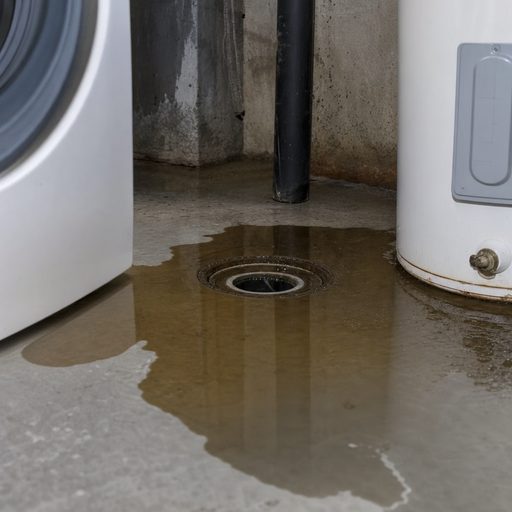
If a single sink is the only fixture acting up, the clog is almost always isolated to that drain and the fixes above are usually enough. Pay closer attention, though, if the slowdown returns quickly after you clear it, if the sink gurgles when you run a nearby fixture, or if other drains in the home are sluggish at the same time. Those patterns suggest the blockage sits deeper in a shared line rather than in the trap, and that is a job for professional equipment rather than another round of plunging.
When to Call a Professional
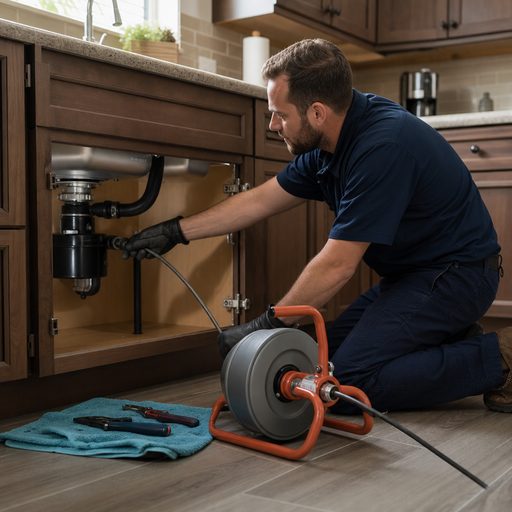
If a sink stays slow after you have cleaned the stopper, plunged, and checked the trap, it is worth bringing in help. A clogged drain service can clear a stubborn blockage safely and without harsh chemicals, and a thorough drain cleaning can remove the buildup that a quick fix leaves behind. To understand the tools a plumber might use on a clog a plunger cannot reach, see our guide on how plumbers clear a stubborn drain clog, and if more than one drain is sluggish at once, read why multiple drains clogged at once can point to a deeper problem in your main line.
Sources and further reading
These references support material safety, technical, consumer, or planning guidance in this article. Confirm property-specific requirements with the applicable authority and professional.
- MedlinePlus - Drain cleaner poisoning
- U.S. EPA - Household hazardous waste
- U.S. Department of Energy - Water heating
- U.S. Department of Energy - Water-heater selection guide
- U.S. Geological Survey - Hardness of water
- U.S. Geological Survey - Water corrosivity
- National Association of Insurance Commissioners - Homeowners insurance