 Plumbing Advisors Editorial TeamEditorial StandardsUpdated April 18, 2026Source-Checked
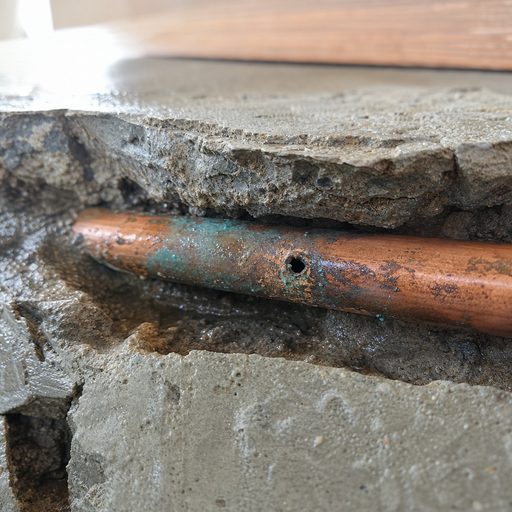
A slab leak is a leak in a water line that runs beneath your home's concrete foundation, and because the pipe is sealed under the slab, you almost never see the water itself. Instead, you notice its side effects, often well before anything reaches the surface. Learning to read those early clues is what separates a contained, manageable repair from a much larger and more disruptive problem, so it pays to know exactly what to watch for and to take it seriously when more than one sign shows up at once.
Warm Spots and Strange Sounds
Two of the most telling early signs involve your senses rather than any tool. A warm or hot patch on the floor, especially on tile or stone, can mean a hot water line is leaking somewhere beneath it and heating the slab from below. Separately, if you hear the faint sound of running or rushing water when every fixture in the home is turned off, that noise may be water escaping under pressure below the floor. Neither sign confirms a slab leak on its own, but both are worth paying attention to, particularly when they appear together or alongside the other clues below.
The Clues You Can Measure and See
Other early signs leave a more visible trail. Your water bill is one of the most reliable, because a leak that runs day and night tends to push usage up steadily even when nothing in your habits has changed. Around the home, you may also start to notice physical changes near floor level that were not there before. The list below covers the signs homeowners report most often.
- A warm or hot spot on the floor with no appliance or sunlight to explain it.
- The sound of running water when every faucet and fixture is off.
- An unexplained, sustained climb in your monthly water bill.
- New cracks in flooring or walls, or floors that feel uneven or have begun to dome.
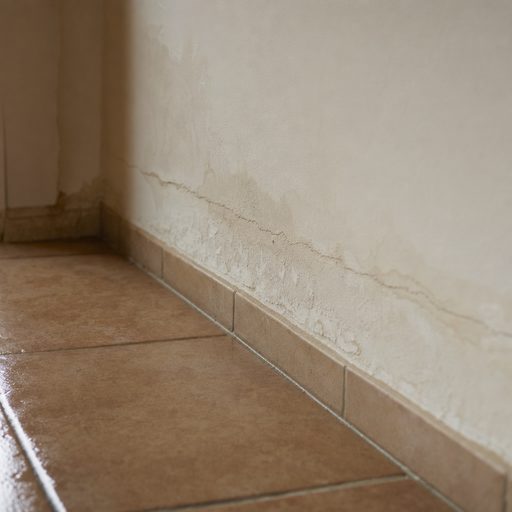
- Damp, warped, buckled, or discolored flooring with no source you can see on the surface.
- A persistent musty smell or mold appearing near the base of walls or in low areas.
- A drop in water pressure that you cannot trace to a single fixture.
A Safe Check You Can Do Yourself
You can confirm that water is escaping somewhere with a simple meter test that is completely safe to perform. Turn off all water inside and outside the home, find your water meter, and note the reading or the position of the small leak indicator dial. After an hour or two with absolutely no water use, check it again. If the meter has moved, water is leaking somewhere in your system. This test will not tell you where the leak is or confirm that it is under the slab, but it reliably tells you a problem exists and that a professional diagnosis is worth arranging.
Do not break into the slab yourself
Locating and repairing a slab leak requires specialized detection equipment and professional expertise. Never attempt to break into or excavate your foundation on your own, as you risk serious structural damage and personal injury. If you suspect a slab leak, shut off the water if needed and contact a professional.
When to Call a Professional
If several of these signs line up, or a meter test points to a hidden leak, it is time to bring in help rather than wait and watch. Leak detection services can pinpoint the exact location beneath your foundation without unnecessary demolition, and slab leak repair can then resolve the problem while protecting your slab and flooring. Acting early keeps a contained pipe issue from growing into costly structural damage. To understand why these leaks start in the first place, see our guide on what causes slab leaks under a foundation, and if you are weighing how soon to act, our look at why a slab leak is an emergency explains the risks of waiting.
Sources and further reading
These references support material safety, technical, consumer, or planning guidance in this article. Confirm property-specific requirements with the applicable authority and professional.