 Plumbing Advisors Editorial TeamEditorial StandardsUpdated July 5, 2026Source-Checked
Professional leak detection does not come with a single, fixed price tag. The cost varies significantly based on where the leak is located, how difficult it is to access, the detection methods required, and local market rates. Understanding these variables helps you anticipate what goes into an estimate and recognize why quotes can differ widely from one home or situation to another.
What Factors Influence Leak Detection Cost?
Leak detection pricing is tied directly to the time, expertise, and tools needed for a plumber to pinpoint the problem. While some leaks—like those under a sink—are quick to find, others demand specialized effort, especially when hidden beneath slabs or inside walls. The scope of investigation, local building design, and the required level of noninvasive technology each influence the final cost. Homebuilders’ choices decades ago, such as whether pipes were run overhead versus below a slab, can change the equation dramatically.
- Pipe location – Exposed pipes are cheaper to inspect than those concealed behind drywall, tile, or concrete.
- Investigation method – Simple cases may need only a visual check, while complex leaks might require acoustic listening devices, infrared thermal cameras, or tracer gas tools.
- Elapsed time – Some leaks are immediately visible and found fast, but others involve progressive isolation of each line in the system.
- Site accessibility – Detection in rooms with heavy cabinetry, expensive flooring, or finished ceilings is slower and requires extra care to avoid unnecessary damage.
- Appointment timing – Emergency, after-hours, or weekend visits typically cost more than visits booked during regular hours.
In addition, local regulations and permit requirements may come into play for certain invasive diagnostic techniques. Always check local codes, as what’s needed in one city might be very different in another.
What Happens During a Professional Leak Detection Visit?
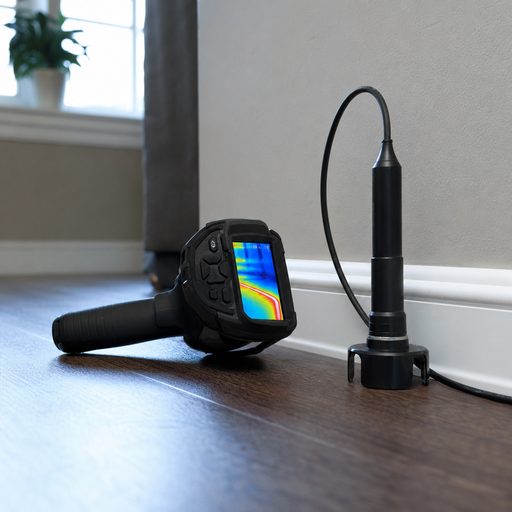
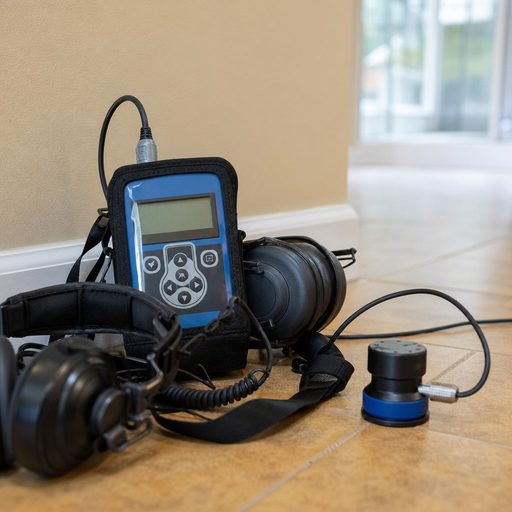
During a leak detection visit, a trained pro systematically determines the source of your water loss without unnecessary demolition. The technician starts with a detailed interview about symptoms—like unexplained water bills, sounds, mold, or wet spots—before visually inspecting accessible plumbing. Acoustic listening devices, such as those made by LeakFinder or SebaKMT, help detect the distinctive sounds of escaping water in walls or slabs. In some situations, infrared cameras reveal temperature variations that hint at hidden wetness. For especially stubborn leaks, safe tracer gas (usually a mix containing hydrogen) is pumped into piping, and specialized sniffers pick up the escaping gas, narrowing down the site without tearing open surfaces.
Pro-level diagnostics may also involve water pressure testing, isolating each zone to see where pressure drops indicate a break. In multi-story homes, leak detection specialists may inspect common failure points like water heaters, tub fillers, and upstairs toilets. Products from manufacturers like FLIR (for thermal imaging) or Amprobe (for ultrasonic listening) are commonly deployed. The goal is to locate the leak as accurately as possible to minimize follow-up repair costs.
Common Components and Parts: What Pros Check
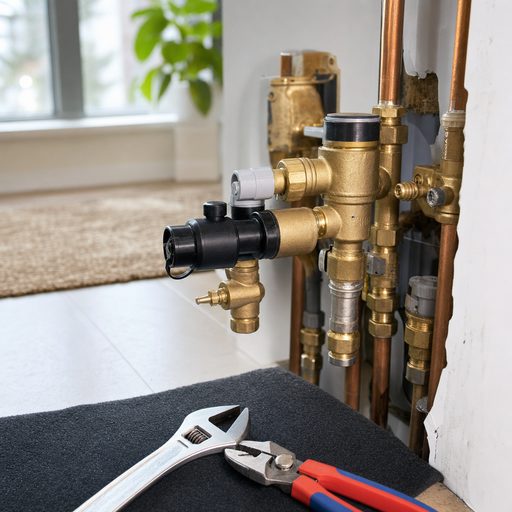
Key infrastructure parts frequently inspected during leak detection include supply lines (often copper, PEX, or CPVC), shut-off valves below fixtures, pressure reducing valves (PRV), and flexible connectors. In homes with older plumbing, sections near transition points—like where copper meets PVC—are particularly prone to hidden failures. Hot water heaters are also scrutinized: the tank itself, the pressure relief (TPR) valve, and cold/hot inlets can all develop slow leaks that migrate invisibly for weeks.
Other leak-prone parts include toilet wax rings, washing machine hoses, and refrigerator ice maker supply lines. Checking fixture stops, service panel access points, and outdoor spigots can also reveal leaks masquerading as indoor problems. Each part can require a different detection technique—sometimes visible inspection is enough, but often pros must rely on sensitive listening gear or pressure tests to spot subtle issues.
- Pressure Reducing Valve (PRV) failures can cause persistent leaks, often overlooked.
- Toilet wax rings may leak below flooring with no visible water in the bathroom.
- Flex connector hoses (for faucets or appliances) commonly develop slow, difficult-to-spot leaks.
How Leak Type and Location Affect the Scope of Work
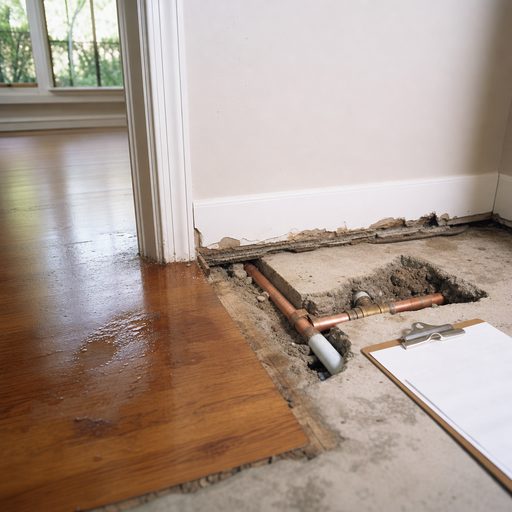
Where and what type of leak you have makes a dramatic difference in both how it’s found and the complexity of repair. For example, locating a leak beneath a garage slab may entail accessing water lines encased in concrete, which often means more time spent with advanced acoustic or tracer gas methods. In contrast, pinpointing a leaking shower valve hidden within a tiled wall might require exploratory hole cutting (sometimes guided by thermal imaging) but is still less involved than full slab leak diagnosis.
Above ground leaks—such as in attics, crawlspaces, or visible basements—usually mean less labor and lower risk of collateral damage. Below ground slab leaks, by contrast, often necessitate non-destructive testing and can only be accessed via invasive repairs after detection. The more invasive the investigation required, the more labor is involved, and this is reflected in the estimate you’ll receive. Always review the related cost guide to compare how leak complexity typically scales with detection effort.
Leak detection before repair
Leak detection is a diagnostic service, separate from repair work like Pipe Repair or Slab Leak Repair. Many companies apply part or all of the detection fee to the follow-up repair, but not all—so clarify with your provider to avoid unexpected charges.
How Companies Structure Leak Detection Fees
Some providers bundle leak detection service together with repair (especially if you commit), while others charge a diagnostic fee upfront regardless of next steps. What’s included in the charge can vary: some cover a report and detailed plan, others limit the service to pinpointing the leak alone. If further investigation, testing individual fixtures, or returning with advanced imaging tools is required, those may be billed separately.
Emergency visits outside regular business hours can increase the base rate, especially for immediate-response calls. Be sure to ask whether the charge is for detection alone, whether a report or written summary is included, and how costs change if multiple leaks are found. Any reputable contractor should be upfront about their billing approach and what your fee covers.
Ask about multi-leak coverage
If your home shows signs of more than one leak, clarify whether the quoted fee covers the time to find all sources or if finding additional leaks increases the charge. This helps avoid surprises when complex or older plumbing systems are involved.
Why Professional Detection Beats DIY Methods
Trying to find a hidden leak on your own is risky—randomly opening walls or floors can easily cause more damage and expense than the cost of the leak detection itself. Modern pros use ultrasonic listening devices, visual scope cameras, and thermal imaging far more precise than what’s accessible to most homeowners. These methods reduce guesswork, prevent unnecessary demolition, and often enable repairs to be completed with minimal disruption. While a leaky faucet or visible supply line can sometimes be diagnosed and repaired by a handy homeowner, concealed leaks—especially those under slabs or inside finished walls—should always be left to professionals.
Moreover, misdiagnosing the source can allow the real problem to persist, compounding water damage, growing mold, and possibly compromising your home’s structure. Investment in proper leak detection is usually recouped by saving money on avoidable repairs and lost water, making it an important first step before undertaking major work. Need to understand every phase of detection? Our guide How Professional Leak Detection Works offers a step-by-step walkthrough of those technologies and processes.
How to Know It’s Time to Call for Leak Detection
Signs you need professional leak detection include spikes in your water bill, sound of water running when fixtures are off, or unexplained damp spots, mold, peeling paint, or foundation cracks. Even minor signs—like a persistent musty odor—can hint at hidden leaks behind walls or floors. Early detection is vital; water leaks rarely fix themselves and even a slow, small drip can damage framing and insulation, promote mold, or erode slab foundations if left unchecked.
If you already suspect a leak, prompt investigation by a plumber with the proper tools nearly always saves money and trouble over guessing and cutting into walls. Connecting with Leak Detection service helps you understand your home’s situation fully and connect you with Pipe Repair or Slab Leak Repair services as warranted. Learn more about the decisions pros make once the source is found in our in-depth guide What Happens After a Leak Is Found.
Ways to Limit Leak Detection and Repair Costs
While some leak scenarios are unavoidable, regular inspection and basic maintenance can head off many of the most costly detections. Check appliance hoses, outdoor faucets, and under-sink plumbing for drips every few months. Install leak alarms (brands like Honeywell or Zircon) in problem areas—these inexpensive devices can provide an early warning before problems grow. Address toilet fill valves and flappers promptly when they begin acting up, as running toilets can create hidden floor leaks. In older homes, replace aging pressure reducing valves (PRVs) and periodically inspect the water heater’s tank and TPR valve for corrosion or signs of slow leakage.
- Replace washing machine and dishwasher supply lines every 5-7 years.
- Upgrade basement or crawlspace sump pumps to help avoid flooding-related leaks.
- Have a plumber perform a periodic whole-house inspection, especially in homes with galvanized or polybutylene piping.
Making prevention part of your yearly home maintenance—particularly after previous leaks—can reduce both the need and the cost of more extensive detection services in the future. When in doubt, proactive inspection is always less expensive than repairing avoidable water damage.
What equipment do plumbers use for leak detection?
Plumbers use a variety of tools, including acoustic listening devices, infrared thermal cameras, moisture meters, and sometimes tracer gas systems. Brands like FLIR (for thermal imaging) and Amprobe (for ultrasonic listening) are common. The equipment chosen depends on the leak’s suspected location and complexity.
Does insurance usually cover leak detection and repair?
Insurance coverage varies by policy and the cause of the leak. Many policies will pay for repair of water damage but not for fixing the source or for detection services. Check your policy or contact your insurer directly to find out how leak detection is handled.
How long does a professional leak detection visit usually take?
Most detection visits last between one and three hours, but complex cases—such as those involving slab leaks or multiple potential sources—can take longer. The total time depends on the size of the home, accessibility, and how challenging the leak is to pinpoint.
What should I do before the leak specialist arrives?
Clear access to plumbing areas, note any symptoms or recent plumbing work, and know the location of your main shut-off valve. Turn off appliances using water and avoid using water until the inspection is complete to help the plumber isolate the leak more efficiently.
Is leak detection included if I hire the same pro for repairs?
Some plumbers or companies apply the leak detection fee toward the eventual repair if you hire them for both. Others charge separately. Always clarify how fees are structured before agreeing to service, as outlined above and in the related cost guide.
Sources and further reading
These references support material safety, technical, consumer, or planning guidance in this article. Confirm property-specific requirements with the applicable authority and professional.