 Plumbing Advisors Editorial TeamEditorial StandardsUpdated April 22, 2026Source-Checked
A water pipe rarely fails without warning. Long before a line bursts or a leak appears on the surface, a pipe in trouble tends to leave a trail of smaller clues, from the way the water looks and tastes to faint marks creeping across a wall or ceiling. Learning to read those early signs is what separates a small, contained repair from a much larger and more disruptive problem. It pays to know exactly what to watch for, and to take it seriously when more than one sign shows up at once.
What the Water Itself Tells You
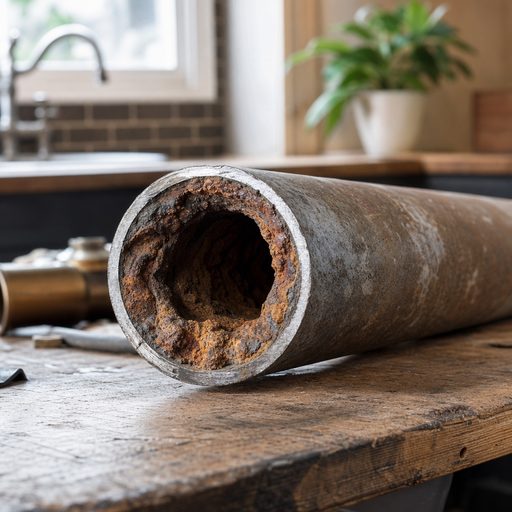
Some of the earliest signs of a failing pipe come straight from the tap. When a metal pipe begins to corrode from the inside, it can change the color, taste, and even the smell of your water. A brownish or yellow tint when you first turn on a faucet, a metallic taste, or water that briefly runs cloudy can all point to a line that is breaking down internally. A noticeable drop in water pressure is another common clue, because corrosion and mineral buildup gradually narrow the inside of a pipe and choke the flow. None of these confirms a problem on its own, but together they suggest a pipe that is no longer in good shape.
Signs You Can See and Hear Around the Home
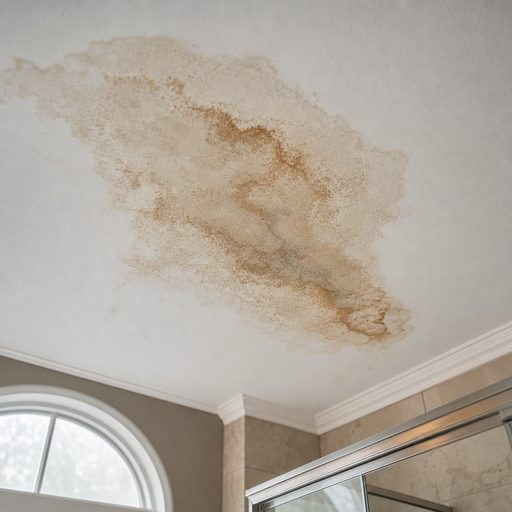
Other warning signs show up in the spaces around your plumbing rather than at the faucet. A pipe that is weeping inside a wall or under a floor often reveals itself indirectly, through stains, smells, or sounds, well before water reaches the surface. The list below covers the clues homeowners report most often.
- Damp spots, discoloration, or spreading stains on walls, ceilings, or floors.
- Paint that bubbles or peels, or drywall that feels soft, swollen, or warped.
- A persistent musty or earthy smell concentrated in one room, cabinet, or closet.
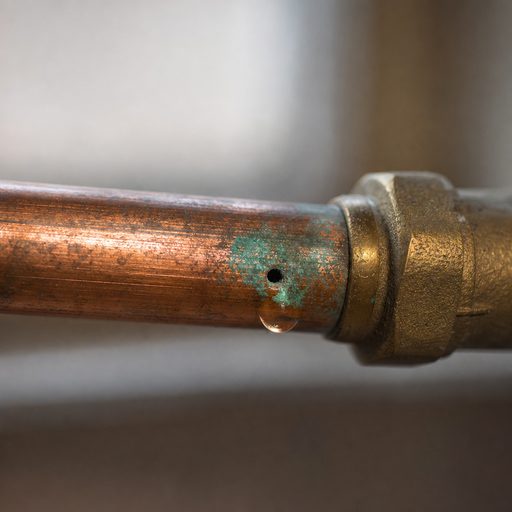
- Visible corrosion, green or white crust, flaking, or rust on exposed pipes and fittings.
- The sound of running or dripping water when every faucet and appliance is off.
- A water bill that climbs steadily with no change in how much water you use.
- Recurring drips or moisture under a sink, around a water heater, or at a visible joint.
A Safe Check You Can Do Yourself
If the signs are adding up but you cannot see a source, a simple water meter test can confirm whether water is escaping somewhere in your system. Turn off all water inside and outside the home, find your water meter, and note the reading or the position of the small leak indicator dial. After an hour or two with no water use, check it again. If the meter has moved, water is leaking somewhere. This safe homeowner check will not tell you which pipe is failing, but it reliably tells you a problem exists and that a professional diagnosis is worth arranging.
Do not ignore rusty water or repeated leaks
Discolored water, repeated small leaks in the same area, or visible corrosion are signs a pipe may be deteriorating from the inside. Putting off a look can turn a minor repair into a burst line and water damage. Shut off the water if a leak is active and arrange a professional inspection before the problem spreads.
When to Call a Professional
If several of these signs line up, or a meter test points to a hidden leak, it is time to bring in help rather than wait and watch. Pipe repair can address a damaged line directly, while leak detection pinpoints a concealed source without unnecessary demolition so the repair stays focused. Acting early keeps a small problem from becoming a burst pipe and a major cleanup. To understand why pipes break down in the first place, see our guide on what damages home pipes, and if you have copper plumbing, our look at what causes pinhole leaks in copper pipe explains one of the most common ways these lines start to fail.
Sources and further reading
These references support material safety, technical, consumer, or planning guidance in this article. Confirm property-specific requirements with the applicable authority and professional.
- U.S. EPA WaterSense - Home maintenance
- U.S. EPA WaterSense - Fix a Leak Week
- U.S. Department of Energy - Water heating
- U.S. Department of Energy - Water-heater selection guide
- American Red Cross - Preventing and thawing frozen pipes
- NSF - Safety of PEX plumbing products
- NSF - Faucets and plumbing products