 Plumbing Advisors Editorial TeamEditorial StandardsUpdated March 26, 2026Source-Checked
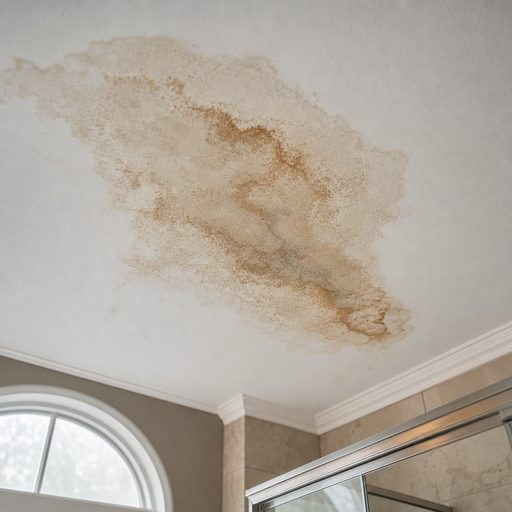
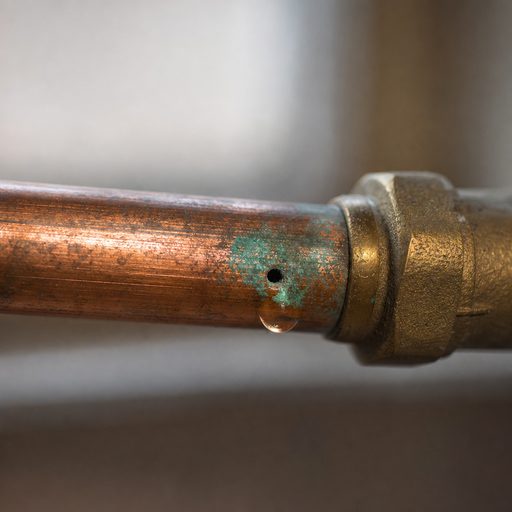
A pinhole leak is exactly what it sounds like: a tiny hole, sometimes no wider than a pin, that corrodes through the wall of a copper pipe from the inside out. Because the opening is so small, these leaks often weep quietly for months, doing slow damage to drywall, insulation, and framing before anyone notices a stain or a drip. Copper has a well-earned reputation for durability, so a pinhole leak can come as a surprise. Understanding why they form helps explain why one pinhole is often a warning that more could follow, and why the cause matters as much as the fix.
It Starts on the Inside
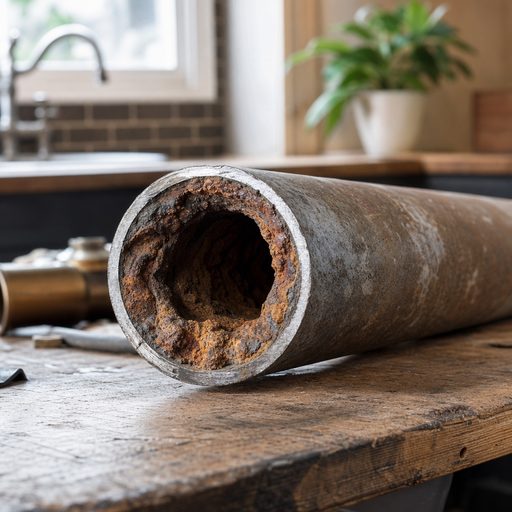
Unlike a leak caused by a freeze or a physical knock, a pinhole leak usually begins on the inside surface of the pipe, where the water actually flows. Over time, a form of localized corrosion called pitting eats a narrow channel straight through the copper at one tiny spot, even while the rest of the pipe still looks healthy. By the time water finds its way through, the damage has been developing for a long while. That is why a pinhole is rarely a one-off accident and more often a symptom of conditions inside the plumbing that have been quietly working against the metal.
Common Causes Behind Pinhole Leaks
Pinhole leaks tend to come from a combination of factors rather than a single cause, which is part of what makes them tricky. The conditions below are the ones most often associated with copper pitting in homes.
- Aggressive water chemistry. Water that is very acidic, very alkaline, or high in certain minerals can slowly attack the inside of copper pipe.
- High flow velocity. Water moving too fast, often the result of undersized pipe or excessive pressure, can wear at the pipe wall and strip away its protective inner layer.
- Sediment and debris. Tiny particles and mineral grit settling inside a pipe can create spots where corrosion concentrates and digs in.
- Leftover flux or installation residue. Acidic soldering flux that was not fully flushed out can sit inside a joint and corrode the copper over time.
- Stray electrical current. Improper grounding can drive a slow electrochemical reaction that eats through copper at isolated points.
- Water that sits still. Pipes in rarely used lines, where water stagnates, can be more prone to localized pitting.
One pinhole often hints at more to come
Because pinhole leaks usually stem from conditions affecting the whole system rather than one bad spot, finding one is a good reason to have the rest of your copper inspected. A professional can tell you whether you are looking at an isolated repair or a pattern that points to a larger plan, which can save you from fixing the same problem again and again.
Why the Cause Matters for the Fix
Patching a single pinhole is straightforward, but if the underlying water chemistry, pressure, or flow problem is left unaddressed, new leaks can keep appearing elsewhere in the same plumbing. That is why a thoughtful approach looks past the one hole and asks what caused it. Sometimes the answer is a simple repair to a short run. Other times, when pitting is widespread, replacing a longer section or rethinking the system is the more lasting choice. Identifying the cause is what turns a temporary fix into a real solution.
When to Call a Professional
Because pinhole leaks are small and slow, they are easy to underestimate, yet the water damage they cause out of sight can be significant. Pipe repair can seal an isolated pinhole, and leak detection can confirm whether others are developing where you cannot see them. A professional can also assess whether the cause is something that will keep attacking the rest of your copper. To understand the broader forces at work on your plumbing, see our guide on what damages home pipes, and to catch trouble early, our overview of the signs of a failing or damaged water pipe explains what to watch for throughout the home.
Sources and further reading
These references support material safety, technical, consumer, or planning guidance in this article. Confirm property-specific requirements with the applicable authority and professional.