 Plumbing Advisors Editorial TeamEditorial StandardsUpdated April 25, 2026Source-Checked
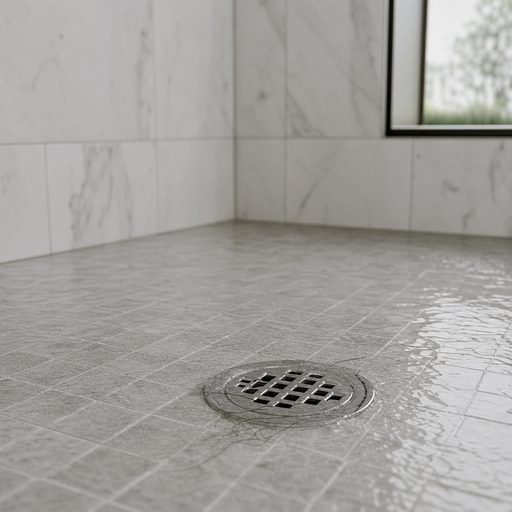
Few bathroom annoyances are as familiar as standing in a slowly rising pool of water during a shower. A clogged shower or tub drain is extremely common, and in most homes the cause is no mystery at all. Unlike a kitchen sink, which fills with grease and food, a shower or tub drain deals almost entirely with hair, soap, and the residue they leave behind. Understanding how these clogs form, and which fixes are safe to try yourself, can help you clear the water and know when the problem has moved beyond a simple buildup.
The Usual Culprits
The vast majority of shower and tub clogs come down to a single combination: hair bound together with soap. Loose hair washes toward the drain and catches on the stopper, the crossbars, or the walls of the pipe just below. Over time, traditional bar soap adds to the problem, leaving a sticky scum that hardens into a paste and traps even more hair and grit. The result is a dense mat that water struggles to pass, usually within the first foot or two of the drain. A few other factors can make the situation worse.
- Hair binding with soap scum into a mat near the stopper or crossbars.
- Mineral scale from hard water gradually narrowing the drainpipe.
- Small objects like bottle caps, jewelry, or toy pieces lodging in the drain.
- A buildup of body oils, lotions, and bath products coating the pipe walls.
- An older or poorly designed trap that collects debris more easily.
- In a tub, a clogged or stuck overflow assembly slowing the flow.
Safe Ways to Clear It
Because shower and tub clogs sit close to the surface, they often respond to simple, safe methods. Start by removing the drain cover or stopper and clearing away any visible hair you can reach. A flexible plastic drain tool, the kind with small barbs along its length, is excellent at hooking out a hair clog and is gentle on pipes. A cup plunger can also work on a flat shower or tub drain, especially after you flush the area with hot water to soften the soap binding everything together. These approaches handle the great majority of shower clogs without any harsh products.
Stop hair before it reaches the pipe
The simplest long-term fix is a quality drain screen or hair catcher over the opening, emptied after each shower. It costs little, installs in seconds, and stops the hair-and-soap mats that cause the great majority of shower and tub clogs in the first place. Pairing it with a switch to liquid body wash reduces the soap scum that holds those clogs together.
When the Clog Is Not Just Hair
If you have cleared the visible hair and the drain still backs up, the blockage may sit deeper than a hand tool can reach, or the trouble may not be in the shower drain at all. Be especially alert if the tub backs up when you flush a nearby toilet, if water rises in the shower when the washing machine drains, or if more than one fixture is slow at the same time. Those signs suggest a shared line or main-line issue rather than a simple hair clog, and pushing more water through it can lead to a backup into the bathroom.
When to Call a Professional
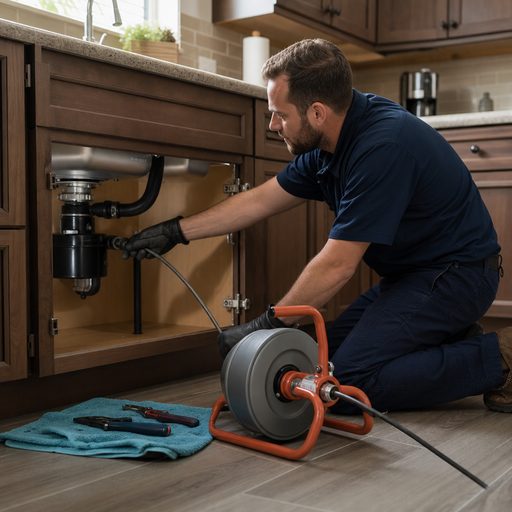
When a shower or tub stays clogged after you have cleared the hair and plunged the drain, a professional can finish the job safely. A clogged drain service can reach a blockage that sits beyond the trap, and a thorough drain cleaning can clear scale and built-up residue that a hand tool leaves behind. If you are seeing the same kind of slow drainage elsewhere, our guide on why your sink is draining slowly covers the closely related causes in other fixtures, and to understand the equipment a plumber brings to a stubborn blockage, read how plumbers clear a stubborn drain clog.
Sources and further reading
These references support material safety, technical, consumer, or planning guidance in this article. Confirm property-specific requirements with the applicable authority and professional.