 Plumbing Advisors Editorial TeamEditorial StandardsUpdated June 8, 2026Source-Checked
Texas summers are long, hot, and relentless, and they put a particular kind of stress on a home's plumbing that is easy to overlook. The same heat that drives up your water use also dries out the soil under your foundation, bakes outdoor fixtures, and keeps water heaters and irrigation systems working overtime. A little seasonal attention goes a long way here, helping you avoid the surprise leaks, pressure problems, and bills that the heat can bring on. These tips are simple and safe to handle yourself, and they are tuned to the conditions Texas homes actually face in summer.
Watch Your Foundation and Outdoor Lines
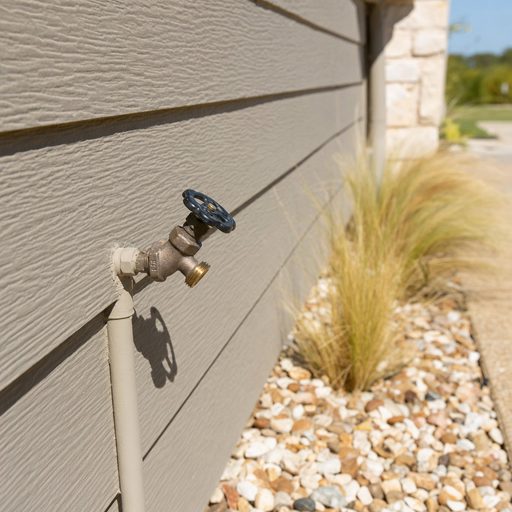
During a long Texas dry spell, the expansive clay soil under many homes shrinks as it loses moisture, which can shift the slab and stress the water lines running through it. That movement is one reason summer is a common time to notice the early signs of a slab leak. Outdoor plumbing takes a beating too, with hose bibs, irrigation valves, and exposed lines sitting in direct sun and high heat day after day. Keeping an eye on these areas helps you catch trouble before it becomes a major leak.
- Check outdoor hose bibs and connections for drips, since heat and use can wear out washers and seals.
- Inspect irrigation heads and valves for leaks or pooling water that wastes water and stresses the system.
- Watch for unexplained wet spots in the yard or a jump in your water bill, which can signal a hidden leak.
- Stay alert to slab leak warning signs, such as the sound of running water with everything off, during long dry stretches.
- Keep an eye on water pressure, since a sudden drop can point to a leak somewhere in the system.
Don't Forget Your Water Heater
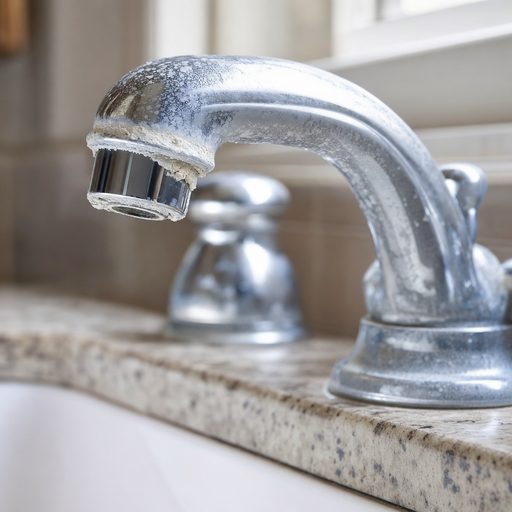
It is easy to ignore the water heater in summer, but the combination of constant use and Texas's notably hard water keeps mineral sediment building up in the tank year-round. That sediment settles at the bottom, where it insulates the water from the burner or element, makes the unit work harder, and can shorten its life. You may hear it as popping or rumbling sounds as the heater runs, which is a sign the buildup is getting heavy. Summer is a convenient time to give the water heater a little attention before the heavier demands of winter arrive, when a freeze can spike hot-water use across the whole house. Periodically flushing the tank to clear sediment is the single most useful piece of maintenance, and keeping the area around the unit clear makes that easier to do.
Give summer guests a break on your drains and disposal
Summer often means more cooking, more guests, and more strain on kitchen drains and garbage disposals. Keep fats, oils, and grease out of the drain entirely, since they solidify and cause clogs, and feed the disposal slowly with plenty of cold running water. If a drain does clog, never reach for chemical drain cleaners, which can damage pipes and create hazardous fumes; a professional can clear it safely instead.
When to Call a Professional
Summer maintenance handles a lot, but some issues call for a professional, and catching them early in the season is far better than during a holiday rush. If you notice signs of a hidden or slab leak, persistent low pressure, or wet spots in the yard, a plumbing repair professional can find the source and fix it before it grows. When the water heater is struggling under heavy summer use and hard-water sediment, water heater repair can restore it and head off a cold-shower surprise. To dig deeper, our guide on dealing with hard water in Texas explains how local minerals affect your system, and our guide on what causes low water pressure helps you sort out whether a summer pressure drop is a simple fix or a sign of something larger.
Sources and further reading
These references support material safety, technical, consumer, or planning guidance in this article. Confirm property-specific requirements with the applicable authority and professional.