 Plumbing Advisors Editorial TeamEditorial StandardsUpdated July 25, 2026Source-Checked
Low water pressure can turn a simple shower or sink rinse into a frustrating trickle. Sometimes the cause is a minor buildup at a single faucet, and sometimes it points to a larger issue affecting the whole home. The key to tracking it down is to figure out how widespread the problem is, because that single observation narrows down the likely cause dramatically and tells you whether a quick, safe fix will work or whether you need to bring in professional help.
Is It One Fixture or the Whole House?
Start by checking whether the weak pressure affects just one faucet or every fixture in the home. Turn on taps in different rooms and compare them. If only one tap is weak, the problem is almost certainly local, such as a clogged aerator or a partially closed valve at that fixture. If pressure is low everywhere, the cause is more likely in your main supply line, a failing pressure regulator, or a hidden leak somewhere in the system that is bleeding off water before it reaches your fixtures.
Common Causes of Low Pressure
- A clogged faucet aerator or showerhead full of mineral deposits.
- A partially closed shutoff valve at the fixture or at the main.
- A failing or misadjusted pressure regulator on the main line.
- Mineral and corrosion buildup narrowing the inside of older pipes.
- A hidden leak diverting water before it ever reaches your fixtures.
- Temporary drops caused by municipal supply work or high demand in your area.
Safe Checks You Can Try
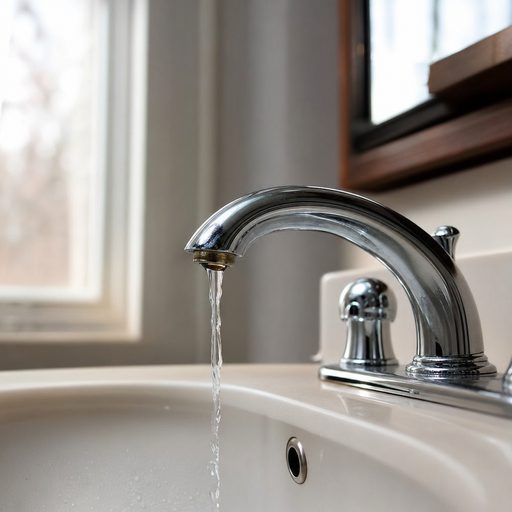
There are a couple of harmless things to try before calling for service. Unscrew the aerator from the tip of a weak faucet, rinse out any grit and mineral buildup, soak it briefly if needed, and reattach it; this resolves a surprising number of single-faucet complaints. You can also confirm that the shutoff valves under the sink and at the main are fully open, since a valve that was only partly turned after past work will restrict flow. For a weak showerhead, unscrewing it and soaking it to dissolve mineral deposits often restores much of the lost pressure.
Rule out a leak early
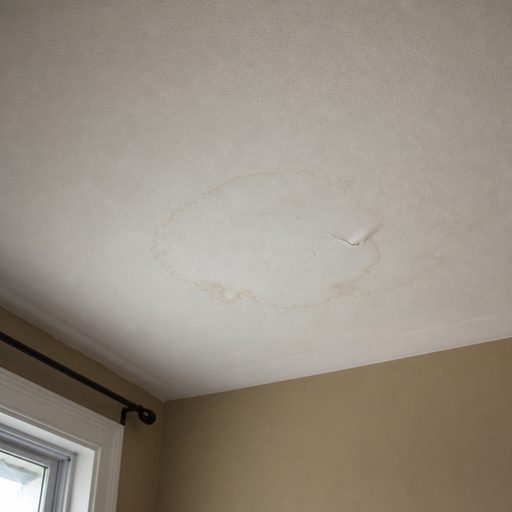
If pressure drops across the whole house and your water bill has risen, a hidden leak may be the cause. A quick water meter test, performed with all water off, can reveal whether water is escaping somewhere in the system. Leave finding and repairing the leak itself to a professional.
Pressure and flow are not the same
Water pressure is the force moving water through the plumbing, while flow is the amount that reaches the fixture over time. A clogged aerator can reduce flow at one faucet even when the home's supply pressure is normal. A leak, utility disruption, failing pressure-reducing valve, blocked whole-house filter, or restricted older piping can affect several fixtures at once. That distinction is why the first useful test is not a pressure number; it is a comparison of fixtures, floors, and hot versus cold water.
Use the pattern to narrow the cause
| What you notice | More likely direction | Useful next check |
|---|---|---|
| One faucet is weak on hot and cold | Aerator, cartridge, or fixture shutoff restriction | Compare the faucet with another fixture and inspect the aerator |
| Hot water is weak throughout the home | Water-heater outlet, mixing valve, or hot-side restriction | Compare hot and cold flow at several fixtures |
| Every fixture changed suddenly | Utility work, a partly closed main valve, regulator trouble, or an active leak | Ask a neighbor, check utility notices, and look for leak signs |
| Whole-home flow declined gradually | Filter loading, regulator wear, or corrosion inside older piping | Check maintenance records and the age and material of the supply piping |
What a plumbing visit may check
A professional may compare static and working pressure, inspect the main shutoff and pressure-reducing valve, isolate a whole-house filter or softener, check the meter for continuous use, and compare flow at representative fixtures. In an older home, pipe material matters because galvanized steel can narrow internally even when the outside looks sound. The goal is to identify whether the restriction belongs to one fixture, the home's private plumbing, or the utility side before recommending a repair.
When to Call a Professional
If cleaning the aerator and checking the valves does not help, or if the whole house is affected, it is time for professional help. Faucet and sink repair can address persistent issues at a specific fixture, while general plumbing repair can diagnose pressure regulator problems or buildup inside the pipes. If you suspect a hidden leak is to blame for falling pressure, leak detection services can confirm it without guesswork, and our guide on how to find a hidden plumbing leak walks through the warning signs and a simple test you can run first.
Why is water pressure low at only one faucet?
A single weak faucet usually points to a local flow restriction, such as debris in the aerator, a worn cartridge, or a partly closed fixture valve. Compare hot and cold flow and another nearby fixture before assuming the whole house has a pressure problem.
Can a hidden leak cause low water pressure?
Yes. A substantial leak can reduce pressure or flow, especially when several fixtures change at once. A rising bill, meter movement while water is off, damp materials, or the sound of running water makes a leak more likely.
Should I install a booster pump for low pressure?
Not until the cause is known. A booster can be appropriate where the utility delivers consistently low pressure, but it will not correct a clogged pipe, failed regulator, closed valve, or leak. Confirm the incoming pressure and local backflow requirements first.
Who should I call if every home nearby has low pressure?
Contact the water utility first when neighbors are affected or crews are working nearby. If the utility reports normal service at the meter, the restriction is more likely inside the property's plumbing.
Sources and further reading
These references support material safety, technical, consumer, or planning guidance in this article. Confirm property-specific requirements with the applicable authority and professional.
- Portland Water Bureau: Troubleshooting water pressure and flow
- U.S. EPA WaterSense: Home maintenance and service pressure
- U.S. EPA WaterSense - Fix a Leak Week
- U.S. Department of Energy - Water heating
- U.S. Department of Energy - Water-heater selection guide
- NSF - Safety of PEX plumbing products
- NSF - Faucets and plumbing products