 Plumbing Advisors Editorial TeamEditorial StandardsUpdated May 31, 2026Source-Checked
If your dishes come out spotty and your showerhead keeps crusting over, you are seeing one of San Antonio's defining plumbing realities: very hard water. The city draws much of its supply from the limestone Edwards Aquifer, and as water moves through that rock it picks up a heavy load of dissolved minerals, mainly calcium and magnesium. The result is water that is notably harder than what many newcomers are used to, and while it is generally safe to drink, it leaves a trail of small frustrations and quietly wears on your plumbing across the metro. Understanding where that hardness comes from, and how it shows up around your home, helps you decide whether it is worth treating and how to protect the equipment it affects most.
Why San Antonio Water Is So Hard
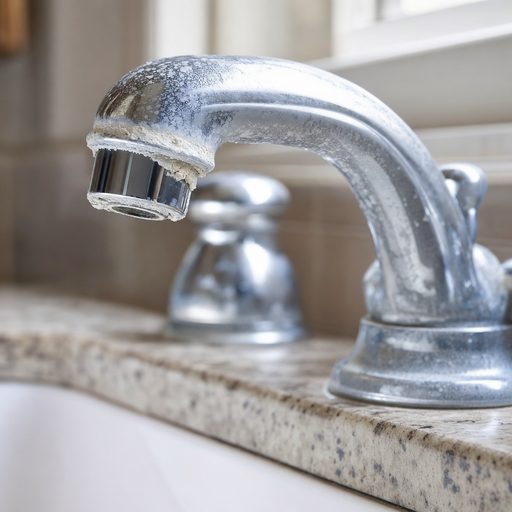
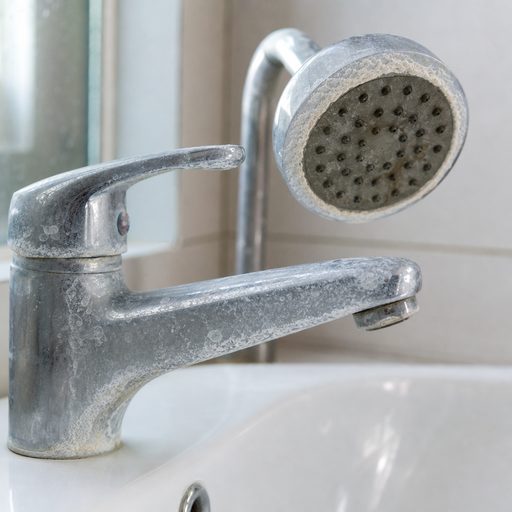
Hardness simply refers to how many dissolved minerals your water carries, and the Edwards Aquifer is a limestone formation, so water drawn from it tends to be rich in calcium and magnesium. When that water is heated or left to evaporate, the minerals come out of solution and settle onto surfaces as a chalky white or greenish crust known as scale. That scale is the root of most hard-water complaints, which is why the effects show up first wherever water is heated or sits and dries: water heaters, faucet aerators, showerheads, and the spots around your sinks and tubs. Because nearly the whole metro is served by the same mineral-rich source, hard water is less a neighborhood quirk here and more a citywide condition that most homes contend with in some form.
How Hard Water Affects Your Plumbing
Hard water rarely announces itself directly; you notice the residue it leaves and the way it interferes with everyday tasks. If several of the clues below sound familiar, especially at the same time, San Antonio's mineral-heavy supply is the likely explanation.
- Chalky white or greenish scale building up on faucets, showerheads, and around drains.
- Spots, streaks, or a cloudy film on glasses and dishes even after the dishwasher runs.
- Soap and shampoo that will not lather well and leave a sticky film on skin and hair.
- Reduced flow from fixtures as scale gradually narrows aerators and showerhead openings.
- A water heater that grows noisier or less efficient as scale settles inside the tank.
- Scale collecting in valves and supply lines, which over years can slow flow throughout the home.
Scale is especially hard on water heaters here
With water this mineral-rich, scale tends to collect in the bottom of a water heater, where it insulates the water from the burner or element and forces the unit to work harder. Periodically flushing the tank helps clear that buildup and protect the heater. Given San Antonio's hardness, this kind of maintenance pays off more than it would in a city with softer water.
What You Can Do About It
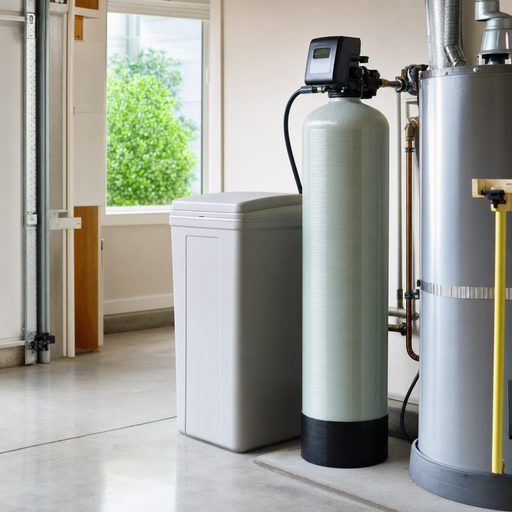
Some effects of hard water you can manage yourself with simple maintenance. Soaking a crusted aerator or showerhead in white vinegar dissolves much of the mineral buildup and restores flow, and wiping fixtures dry slows the return of scale. For the underlying problem, many San Antonio households choose to treat the water at its source. A whole-home water softener removes the calcium and magnesium before the water reaches your fixtures, which protects appliances, improves lathering, and cuts down on scale throughout the house. Because the right setup depends on how hard your water actually is and on your home's plumbing and layout, often with the unit installed in the garage near the water heater, this is an area where a professional can test your water and advise on whether a softener or another option fits your situation.
When to Call a Professional
If the signs of hard water keep adding up and basic cleaning is not keeping pace, a professional can confirm just how hard your water is and recommend the right approach for your home. A plumber can advise on and install a whole-home water softener, and general plumbing repair can address scale that has already affected pipes, valves, and fixtures. Because mineral buildup is so tough on water heaters in this area, water heater repair can resolve scale-related trouble and help you get more life out of the unit. For more on the regional picture, see our guide on hard water in Texas, and for a head-to-toe look at the symptoms, our guide on the signs of hard water in your home covers what to watch for. As a national service that connects homeowners with local plumbing pros, we can help you reach someone in the San Antonio area when you are ready to deal with it.
Sources and further reading
These references support material safety, technical, consumer, or planning guidance in this article. Confirm property-specific requirements with the applicable authority and professional.
- U.S. Department of Energy - Water heating
- U.S. Department of Energy - Water-heater selection guide
- U.S. Geological Survey - Hardness of water
- U.S. Geological Survey - Water corrosivity
- Federal Trade Commission - Avoiding home-improvement scams
- Texas State Board of Plumbing Examiners — licensing
- Houston Permitting Center — homeowner plumbing permit