 Plumbing Advisors Editorial TeamEditorial StandardsUpdated July 5, 2026Source-Checked
Toilet repair costs depend on the specific problem, the toilet's age and model, and the complexity of accessing the faulty component. While a minor fix like replacing a flapper or fill valve is typically straightforward, repairs involving leaks at the base or hidden damage often require more work. Understanding the key factors influencing cost will help you interpret estimates and make informed decisions.
What Determines Toilet Repair Cost?
The price of a toilet repair is shaped by several interconnected factors, most importantly exactly what has failed inside your toilet system. Straightforward issues like a worn flapper, fill valve, or flush handle are relatively quick for plumbers to address. In contrast, leaks around the toilet base or persistent running water may point to a worn-out wax ring, cracked tank, or even a damaged shut-off valve—jobs that demand more labor and sometimes extra materials. The total cost can vary also if the toilet is a less common brand such as Mansfield, or an older model that requires specialty parts.
Other cost-influencing elements include the location of the toilet within your home—reaching a powder room squeezed alongside cabinetry takes longer than fixing a toilet in an open space—and how soon you need the work done. Emergency, after-hours, or weekend repairs usually result in higher labor charges from most independent professionals. If your toilet is part of a larger bathroom plumbing network with unusual access challenges, expect that to factor into the effort required.
- Specific failing parts involved: flapper, fill valve, tank lever, wax ring, etc.
- Extent of any water damage to areas around or beneath the toilet
- Ease of access: cramped quarters vs. open installation
- The make, model, and age of the toilet (Kohler, American Standard, Glacier Bay, etc.)
- Timing and urgency of the repair request
Common Toilet Problems and the Parts Involved
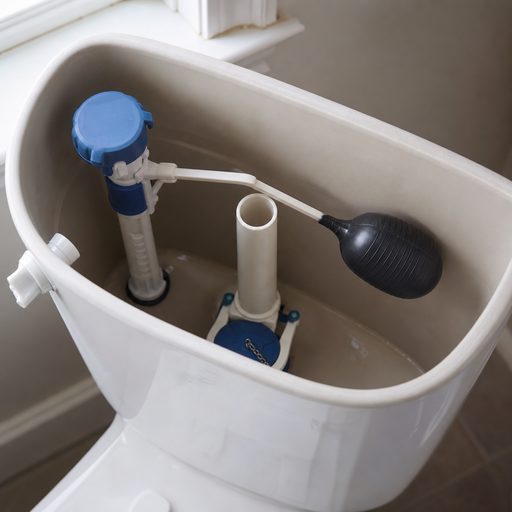
Several key components are usually at the heart of typical toilet repair calls. The flapper, which seals the tank water until you flush, is one of the first parts to wear out; when it fails, toilets often run non-stop. Fill valves (sometimes called ballcocks) regulate refilling and can cause slow or incomplete fills, noisy operation, or leaks into the tank. The flush handle or lever (connected internally to the trip lever) is another frequent culprit, as the linkage can loosen or break, leaving the toilet unable to flush reliably.
A leak at the base usually means a wax ring seal has failed. Fixing this requires pulling the toilet up and resetting it with a new wax ring or sometimes a rubberized gasket. Supply lines with worn-out washers or corroded shut-off valves beneath the tank can drip and go unnoticed for extended periods. Some old or specialty toilets may require specific fill valve kits or tank-to-bowl gaskets only available from original manufacturers such as Toto or American Standard. Knowing these key parts—flappers, fill valves, wax rings, shut-off valves—helps you communicate symptoms when calling for service and better understand the diagnosis.
- Flapper: controls tank water release, lasts roughly 3-5 years
- Wax ring: seals toilet to drain, usually replaced if leaking at the base
- Flush lever and trip arm: connects handle to flapper
- Tank-to-bowl gasket: prevents leaks between those components
What a Professional Toilet Repair Visit Involves
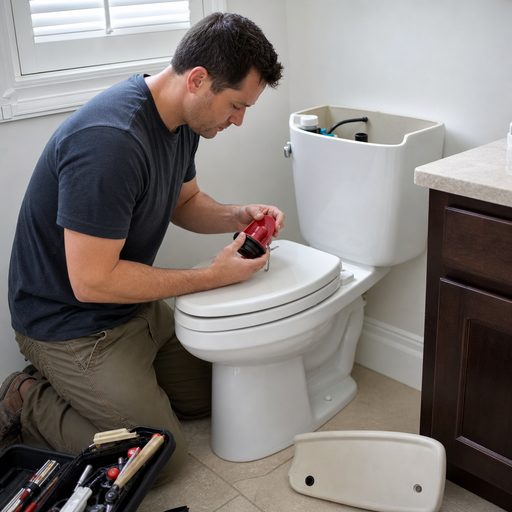
When you schedule Toilet Repair, a licensed plumber or experienced technician first inspects the toilet visually and tests for leaks, slow fills, or repeated running. They’ll remove the lid, check valve functions, inspect the flush lever, and identify any visible corrosion or mineral buildup. Dye tablets or food coloring might be used in the tank to trace hidden leaks into the bowl. For issues at the base, tools like moisture meters or gentle rocking of the toilet reveal whether a failed wax ring or subfloor damage is present.
Once the cause is pinpointed, the professional will explain the parts involved, such as a new fill valve (Fluidmaster and Korky are common brands for universal replacements), wax ring, or supply line. They’ll describe how long the job will take and any special circumstances (like removing a stuck flange bolt). The final estimate factors in part costs, labor, and the complexity of the repair. The visit generally concludes with a test flush and leak check. If further issues are found—such as a cracked bowl or tank—the plumber may instead recommend exploring Toilet Replacement.
Beware of Hidden Damage
A leak that appears minor can sometimes indicate significant water damage underneath the toilet. If the floor feels soft, or if you notice recurring odors or stains, it’s safest to consult a professional right away. Prolonged leaks can lead to mold or rot, escalating repair costs.
Deciding Between Repair and Replacement
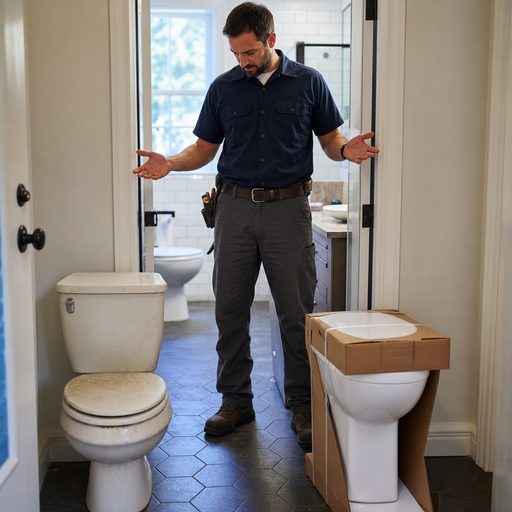
Not every toilet issue should be fixed—in some cases, a new toilet makes better long-term sense. Cracked porcelain (in the bowl or tank) is almost always unfixable, and replacing the fixture is the only reliable solution. If your toilet is older, particularly if it pre-dates modern low-flow standards, repeated repairs may only serve to delay an inevitable upgrade. Frequent problems with fill valves, tank gaskets, or other parts over a short period can signal that age or hard water has compromised the fixture.
Reviewing Repairing vs. Replacing a Toilet is helpful if you’re unsure about the right direction. Newer models from trusted brands like Kohler, Toto, or American Standard offer improved flushing, lower water use, and easier maintenance compared to older units. Still, targeted repairs for issues like a worn flapper, loose flush lever, or wax ring can add several more reliable years if the core porcelain and flushing system remain solid.
Quality Parts and Brands Matter
Using high-quality replacement parts from proven manufacturers often means your repair will last longer. Flappers and fill valves from brands like Korky, Fluidmaster, and Kohler tend to outlast generic alternatives. Toilets from top names like Toto, American Standard, and Kohler are typically easier to service, with widely available parts and proven reliability. If your plumber offers a choice between original manufacturer parts and universal replacements, ask about durability and which fits best for your toilet model.
If your toilet uses unusual parts or a discontinued model (for instance, some pressure-assisted or dual-flush systems), sourcing specific fill valves, actuator buttons, or tank-to-bowl gaskets can involve special orders. This can affect both timing and parts cost, which your technician should detail in the estimate. Always confirm that new parts are compatible with your toilet to avoid repeat failures and to ensure safe, reliable flushing.
- Korky and Fluidmaster: leaders in after-market flappers and fill valves
- Toto, Kohler, American Standard: most common OEM toilet brands in the U.S.
- Wax ring types: standard wax, reinforced wax, and wax-free gaskets (Fernco, Danco)
Labor Complexity: How It Affects Estimates
Labor time is a major driver of any professional repair cost. Swapping a faulty fill valve or flapper inside an accessible, modern toilet tank typically takes less than an hour. However, more involved jobs—like replacing a wax ring, repairing a cracked flange, or fixing a corroded shut-off valve—require shutting off the water, draining the tank and bowl, disconnecting the supply line, unbolting the toilet, and sometimes repairing the flooring or flange underneath.
Older homes may pose surprises, such as rusted bolts, stuck parts, or non-standard connections, extending the time required for a simple repair. Each complexity adds labor. Difficult access—such as a toilet wedged next to a vanity or behind a permanent fixture—can also increase the amount of time and effort involved. When discussing your estimate with the pro, ask what labor is required and whether the job could expose further problems. Transparent itemized estimates, help avoid misunderstandings and last-minute increases.
Discuss Preventive Maintenance With Your Plumber
Ask your plumber during a visit about simple steps for regular maintenance: checking for leaks in the supply line, inspecting the flapper annually, and watching for signs of slow or incomplete flushes. Early detection can limit the size and complexity of future repairs.
Avoiding Recurring Toilet Issues
Some recurring toilet troubles can be prevented with routine care and by addressing small problems before they become serious. Inspect around the base of the toilet regularly for any signs of shading, unevenness, or moisture—these could indicate a failing wax ring or minor leak. Listen for continuous running, gurgling, or hissing noises after flushing, which may signal a worn fill valve or leaky flapper. These early symptoms can generally be corrected during a single service call before they cause greater damage.
Toilets in homes with hard water or older plumbing may need more frequent part replacement, especially flappers and fill valves prone to mineral buildup. Consider using parts labeled as 'chemical-resistant' or 'long-life' from reputable manufacturers to extend service intervals. For a full overview of which toilet parts are most likely to fail and how to spot their symptoms, the guide Common Toilet Parts That Fail and What They Do is a valuable resource.
How to Use the related cost guide
the related cost guide shows researched typical price ranges for common toilet repairs. This resource organizes repairs by type, from simple internal part replacement to more labor-intensive work like wax ring resealing or shut-off valve replacement. Review it as you compare estimates from local pros, and remember that an in-person diagnosis always yields the most accurate figure. The goal is to clarify what affects the price and empower you with the specifics to make a confident decision.
What are the most common parts replaced during toilet repair?
The most commonly replaced parts are the flapper (which seals the tank to prevent running), the fill valve (which controls refilling and water supply), flush handles or levers, and wax rings (which prevent leaks at the toilet base). Tank-to-bowl gaskets and supply lines are also frequently serviced.
How can I tell if I need a new wax ring at the base of my toilet?
Signs include water pooling or stains around the toilet base, a spongy or unstable feeling when you sit, or persistent odors. If the floor near the toilet feels damp or soft, call a professional for inspection. Replacing a wax ring usually requires removing the entire toilet.
Are repairs for older or specialty toilets more expensive?
Older and less common toilets often require specialty parts that may need to be special-ordered. This can increase both materials and labor charges. Antique fixtures may also have hidden problems such as corroded bolts or non-standard plumbing connections, adding more time to the repair.
Why is it best not to accept a flat price without an in-person diagnosis?
Toilet problems that look similar can have very different causes beneath the surface. What appears to be a simple leak might involve subfloor damage or a cracked bowl. A plumber needs to see the toilet, test parts, and check for hidden issues to give an accurate and fair estimate.
Should I consider replacing my toilet instead of repeated repairs?
If your toilet is cracked, very old, or if you're experiencing recurring failures (especially with major internal parts), replacement can save you hassle and potential water waste in the long run. Consult a professional and review Repairing vs. Replacing a Toilet to weigh the benefits and costs before deciding.
Sources and further reading
These references support material safety, technical, consumer, or planning guidance in this article. Confirm property-specific requirements with the applicable authority and professional.