 Plumbing Advisors Editorial TeamEditorial StandardsUpdated July 5, 2026Source-Checked
Emergency plumber visits nearly always cost more than scheduled appointments, mainly due to after-hours labor premiums and immediate response requirements. While there is no single rate, understanding what drives the bill—like the urgency, time of call, job complexity, and your location—can help you recognize fair pricing and avoid surprises. See the related cost guide to compare typical ranges.
Why Are Emergency and After-Hours Plumber Visits More Expensive?
Plumbing emergencies rarely happen on a predictable schedule, which is why after-hours calls are priced differently than standard appointments. Emergency plumbing means a professional drops whatever they're doing—often during evenings, weekends, or holidays—to restore your safety and property. This premium reflects both the disruption to the pro's schedule and the logistical challenges of urgent responses during off-peak times.
Several components contribute to the higher cost: call-out fees simply for the visit, increased labor rates outside business hours, and the nature of the problem itself. More complex repairs may also require immediate access to specialized parts from brands like Moen or Delta, and accessing tight spaces or hidden leaks can increase labor time. Your regional labor market also influences the final bill.
- Call-out (trip) fee: A fixed charge for coming to your home, sometimes credited toward the repair.
- After-hours labor premium: Higher rates for nights, weekends, and holidays.
- Problem severity: Burst pipes or leaks inside walls require more expertise and time than a surface-level clogged drain.
- Parts and tools: Immediate access to specialty components (e.g. shut-off valves, thermocouples, TPR valves) matters.
- Local rates: Urban areas, high cost-of-living regions, and high demand influence labor charges.
Understanding Call-Out Fees, Labor Charges, and Parts
Most emergency plumbers charge a trip or call-out fee, which covers dispatching a professional to your property. This separate line item may be credited toward the final bill if you proceed with repairs. Labor charges are then calculated based on the job’s duration, severity, and the experience level required. For example, diagnosing a failed water heater element—a common issue in brands like Rheem or Bradford White—takes skill and might differ from an easily accessible leak.
Parts costs also feature into the bill, especially if specialty components must be installed on the spot. For instance, replacement of a pressure reducing valve (PRV), a TPR valve on a water heater, or isolation shut-off valves may be necessary to fix the root problem. If the pro needs to source these immediately and has limited access due to the late hour, complexity and cost both rise. the related cost guide shows typical hourly rates, dispatch fees, and visit totals.
Be Precise When Describing Your Problem
When calling for Emergency Plumbing service, provide as much detail as possible—describe the leak location, any unusual sounds, or water pressure loss. This helps the dispatcher route the right plumber and ensures they bring all the needed parts and tools, avoiding unnecessary return trips.
What Issues Truly Require Emergency Plumbing?
Not every plumbing issue warrants a middle-of-the-night call. Emergencies are situations where immediate action prevents severe property damage or health risks. For example, if you have a burst pipe gushing water, a failed toilet shut-off flooding the bathroom, or a leaking water heater safety valve (such as the TPR valve), immediate attention is crucial.
Some issues, like slow leaks under a sink or a single clogged fixture (with others working), may wait until regular business hours. Use the Real Plumbing Emergency vs. What Can Wait guide to help determine if you really need same-night service—and potentially save on costs. When in doubt, opt for safety, especially with water near electrical outlets, gas-operated equipment, or sewage exposure. Always avoid DIY chemical drain cleaner solutions, as these can worsen problems and create hazards.
Cost Factors Beyond the Call: Location, Urgency, and Scope
Emergency plumber costs vary not just by the problem, but also by your geographic location, the type of dwelling, and accessibility. Older homes may have pipes or components (like original brass shut-off valves or cast iron drain lines) that require more time and care to repair. In large metropolitan areas, higher living and operating expenses often translate into steeper labor rates. If your home is remote, expect travel time and availability to influence the total as well.
Urgency and scope set apart a late-night visit from a next-day fix. Issues involving active flooding, sewage backup, or a critical fixture out of commission during holidays or busy weekends are typically prioritized and attract higher premiums. Where multiple repairs are needed during the visit, labor and materials add up. Providing photos or detailed descriptions when you call helps the pro prepare, which can reduce time on site and potentially lower the overall bill.
Prevent Further Damage While Waiting
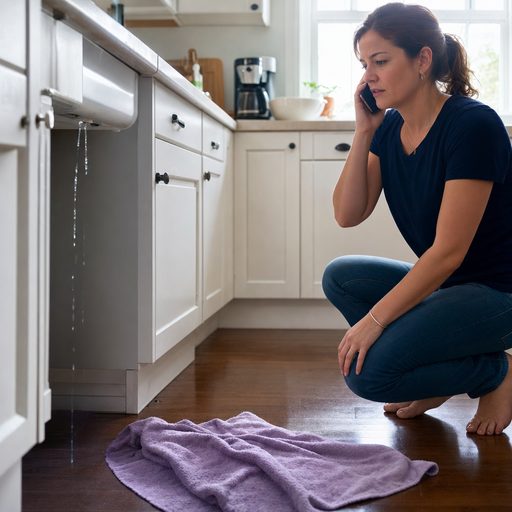
If safe, shut off the water supply at the main or at specific fixture valves to halt active leaks. Remove belongings from the affected area, take photos for insurance, and never attempt repairs involving wiring, gas lines, or sewage exposure. Quick containment can reduce both your final repair and any restoration costs.
Common Emergency Repairs and Lifespans of Key Components
PEX or copper pipe leaks can indicate an installation defect or a frozen section, especially in winter; a burst pipe repair in this case involves not only sealing the break but checking nearby lines for hidden threats. TPR valves on water heaters should be checked annually, as a failure here can cause dangerous pressure buildup. Knowing what’s typical for each component helps you evaluate the repair recommendations and decide if proactive replacement is wise during the visit.
How to Keep Emergency Plumbing Costs Manageable
Even when you can’t avoid calling an emergency plumber, a few calm steps limit the total cost. First, shut off the water supply to halt active leaks. Next, remove valuables from the area and take clear photos for both your insurance and the service call. When talking to a dispatcher, ask exactly which fees apply—specifically trip or call-out charges, after-hours labor premiums, and whether these are applied to the repair total or stand alone.
If the situation is safely contained and can wait (for example, isolated clogs or slow drips), consider scheduling a standard appointment for regular business hours to avoid after-hours premiums. Consulting our Real Plumbing Emergency vs. What Can Wait guide will help you make this call. For burst pipes, major leaks, or flooding, prompt response prevents extensive water damage and provides better value long-term—even if the upfront cost looks higher.
Tips for Finding a Reliable Emergency Plumber Quickly
Fast action is crucial in a real emergency. Still, it pays to ask a few clear questions when contacting Emergency Plumbing services. Ask if there are minimum charges for the visit, if the trip fee is credited toward any repair, and what after-hours premiums apply. A reputable pro should be clear about their billing process, even under pressure. If possible, provide photos or video by text to help the plumber arrive prepared with the right components—such as TPR valve replacements, PRVs, or thermocouples for water heaters.
To quickly choose among local options, see our How to Choose an Emergency Plumber Fast guide. Look for plumbers experienced with your home’s main components—whether that’s cast iron pipes in older homes or modern PEX systems. Checking reviews or getting recommendations can help, but in a true emergency, clarity on fees, arrival timeframe, and expertise are the top priorities.
- Confirm call-out and after-hours fees upfront.
- Describe the issue in concrete terms: affected rooms, visible damage, and noises.
- Request direct contact with the technician if possible for faster diagnosis.
Prevention: Minimizing the Chance of After-Hours Disasters
Regular maintenance is your ally in avoiding late-night plumbing emergencies. Annual inspections of shut-off valves, hose bibbs, and flex supply lines help find leaks before they escalate. Proactively replacing worn parts, like toilet fill valves or water heater TPR valves, reduces the odds of urgent failures. If your home is prone to freezing temperatures, insulating exposed pipes and checking for drafty areas can prevent burst pipe events.
Never Attempt Dangerous DIY Repairs
Tasks involving gas lines, water heater wiring, or sewage exposure should never be attempted DIY. These require specialized tools, knowledge, and can create serious hazards. If in doubt, err on the side of safety and contact a licensed professional.
What is usually included in an emergency plumber’s visit?
An emergency plumber’s visit typically covers a call-out diagnostic, locating and stopping the immediate problem, and an estimate for full repair. Labor charges begin once the work starts. Parts like TPR valves, fill valves, or PRVs are added as needed. Always confirm which services are included versus billed separately.
Can I avoid after-hours premiums by waiting until morning?
If you can safely stop the leak or contain the issue—by shutting off water and ensuring no risk to property—waiting for a regular daytime appointment can avoid after-hours premiums. However, if water is still spreading or there’s risk to health and safety, call an emergency plumber right away to minimize damage.
Does the call-out fee count toward the repair cost?
Some plumbers credit the call-out or trip fee toward the repair if you proceed, but others treat it as a standalone charge. Always ask this upfront when contacting Emergency Plumbing services. Understanding this helps you compare offers and avoid misunderstanding when the bill arrives.
What components most often fail during plumbing emergencies?
Common emergency failures include burst pipes, water heater TPR or pressure relief valves, toilet fill valves, and sometimes pressure reducing valves (PRVs). Regular maintenance of these parts—and watching for leaks, odd noises, or water pressure changes—can help prevent urgent breakdowns.
How can I prepare for the plumber’s arrival during an emergency?
Shut off the affected water supply, clear the area for easy access, and document the damage with photos for both your plumber and insurance. Provide a detailed description when you call. This preparation speeds up diagnosis and repair, potentially reducing the total labor time and cost.
Sources and further reading
These references support material safety, technical, consumer, or planning guidance in this article. Confirm property-specific requirements with the applicable authority and professional.