 Plumbing Advisors Editorial TeamEditorial StandardsUpdated July 5, 2026Source-Checked
Pipe repair costs depend significantly on where the pipe is located, the type and severity of the issue, and what materials are required. A simple exposed repair differs vastly from fixing a leak hidden under flooring or within a wall. Understanding the specific factors that impact pricing helps you recognize a fair estimate and make informed decisions about repairs or upgrades.
What Factors Drive the Cost of Pipe Repair?
Several key variables determine the final cost of any pipe repair. The most significant include location and access, pipe material (such as copper, PEX, or galvanized steel), the nature of the failure, the extent of any required restoration, and how invasive the diagnostic process must be. For instance, a straightforward fix beneath a kitchen sink is far simpler than repairing a corroded pipe buried beneath a concrete slab. The more labor, material matching, and restoration required after reaching the pipe, the higher the final bill will be.
Material matters as well. Copper and galvanized steel pipes often require special tools and techniques for section replacement and may need specific fittings or transitions if newer materials like PEX are involved. Matching pipe brands or using approved universal connectors (such as SharkBite) also affects labor and component selection.
- Location and accessibility: Is the pipe exposed in a basement or concealed in a finished wall or ceiling?
- Pipe material: Copper, PEX, CPVC, and galvanized steel each require different approaches and fittings.
- Leak type: A single pinhole, a burst section, or a recurring joint failure demand different levels of intervention.
- Diagnostic effort: Identifying a hidden leak with moisture meters or infrared cameras requires skills and time.
- Restoration needs: Repairs inside finished spaces add the cost of patching drywall, tile, flooring, or cabinetry.
- Timing and urgency: Emergency visits outside of business hours cost more than scheduled routine repairs.
Pipe Material: What’s in Your Walls?
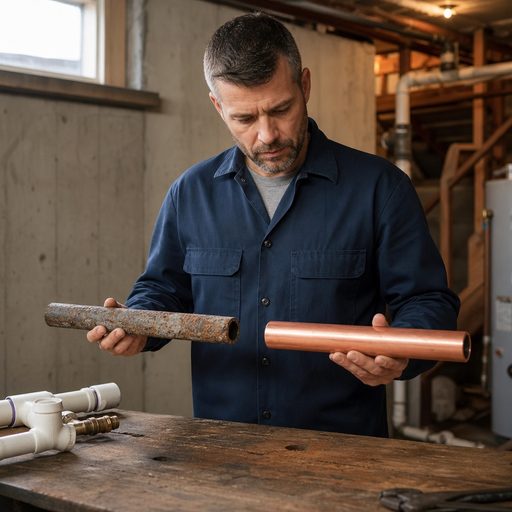
The type of pipe you have impacts both the repair process and potential long-term decisions. Older homes may use galvanized steel or copper piping, while most newer installations favor PEX or CPVC. Copper pipes, by brands like Mueller or NIBCO, can last for decades but are susceptible to pinhole leaks from corrosion, especially in acidic water conditions. Galvanized steel, used extensively in homes built before the 1960s, corrodes internally over time, which can lead to widespread failures and reduced water quality.
PEX and CPVC are more DIY-friendly to service, but transitions from metal to plastic need the right fittings. A repair involving a SharkBite connector may be faster than sweating copper joints, but matching your existing system is key for code compliance and durability. Understanding your home’s plumbing materials also clarifies whether you’re facing an isolated fix or indications that it’s time to consider repiping.
The Importance of Leak Detection
Not all pipe leaks are obvious. Many owners spot the damage only through stains, warping finishes, or higher water bills. When the source is hidden, professional leak detection becomes the vital first step. Methods might include acoustic listening devices, moisture meters, or thermal imaging cameras. These specialized technologies help find leaks beneath slabs, behind walls, or under floors with minimal opening of surfaces, saving time and keeping restoration needs lower.
Accurate leak detection frequently includes a diagnostic fee. However, identifying the precise source ensures a targeted repair—making the visit a worthwhile investment. For more details on the process and choices involved, see our Leak Detection service guide.
Pro Tip: Combine Repairs When Possible
If a diagnosis uncovers multiple vulnerable spots in your system, ask about addressing small issues at the same time. Fixing several leaks during a single visit often costs less overall than scheduling separate repairs.
Pipe Repair Methods and What to Expect
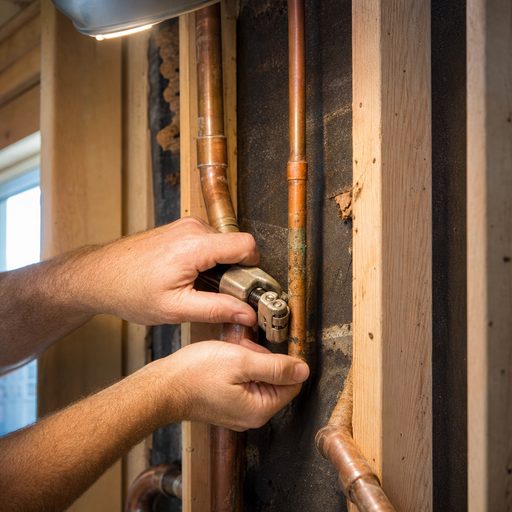
Common repair techniques depend on pipe type and location. For copper or PEX, section replacement is frequently performed: a pro cuts out the damaged area, then installs a matching length using couplings or transition fittings. For repairs behind walls or beneath slabs, limited demolition is often required for access. Specialized tools, such as pipe cutters or press-fitting systems (like Viega for copper), enable durable repairs with minimal added disruption.
Older galvanized lines pose more challenges, as corrosion can extend beyond the immediately visible area. Replacement back to the nearest joint or intersection is often recommended. If there is significant systemic aging, your plumber may suggest partial or whole-home repiping as the more lasting fix. Restoration of finishes—patching drywall, repainting, or retiling—often falls to a separate trade, so confirm what's included in your plumber’s estimate.
Why a Small Leak Can Signal a Bigger Problem
Many pipe failures start small—a single leak or pinhole is discovered during routine use or after noticing water damage. However, in homes with aging pipes, one failure often signals others are likely nearby. This is especially true with galvanized steel and older copper lines, where corrosion or mineral buildup weakens pipe integrity over time. A localized repair may temporarily stop water loss but does not address the underlying systemic issue.
During most service visits, pros look beyond the immediate repair, checking for signs of widespread corrosion, failing joints, or outdated materials. If multiple past repairs are visible—especially with different materials joined or areas with discolored pipes—consider the long-term value of a section replacement or full repipe. Delaying may lead to further damage, higher restoration needs, and possible complications with insurance coverage.
How Plumbers Diagnose and Estimate Pipe Repairs
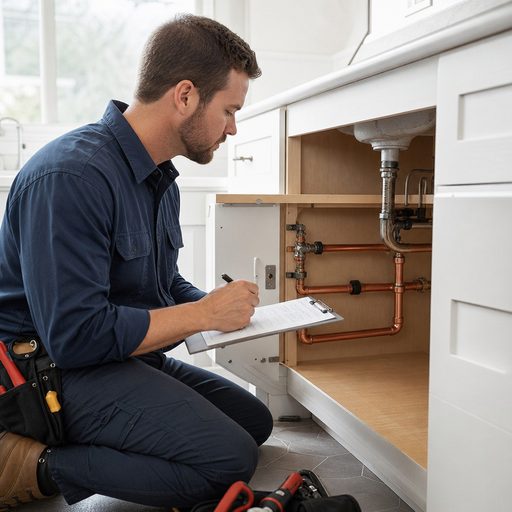
A professional diagnosis starts with a visual inspection, searching for corrosion, dampness, and the presence of key components like shut-off valves, unions, and hangers. Moisture meters or thermal imaging may be used to confirm active leaks. If the failure is inside a wall, small inspection cuts or camera scopes help localize the issue with less invasive entry. Once the problem is found, your pro considers several variables: pipe type, location, code requirements (which can vary by city), and finish restoration needs.
A thorough estimate itemizes labor, materials, demolition, and restoration. Seeing each line item—such as the price to replace a T-fitting, a section of PEX, or restore drywall—lets you compare bids from different contractors and understand what's included. For a step-by-step overview, see our guide "How a Leaking Pipe Section Is Repaired."
Restoration After Pipe Repairs
Repair work inside finished spaces almost always leads to some level of restoration. Removing drywall, tile, flooring, or even cabinetry to reach a leak means patching is required afterwards. Professional plumbers may include basic wall patching, but elaborate restoration—like repainting, retiling, or replacing hardwood—could be left to a specialized trade. Always ask what’s included in the estimate, and whether you'll need a separate contractor for certain restoration pieces.
Restoration costs vary based on materials used, the size of the opening, and whether finishes are standard or custom. If water damage extends beyond the immediate repair area, mold remediation or flooring replacement may also be necessary. Comparing estimates should always involve a look at the full project: diagnosis, repair, and restoration combined.
When to Consider Repiping Instead of Repair
If your system has repeated leaks, or if a professional finds widespread corrosion or outdated pipes (especially polybutylene, galvanized steel, or very old copper), repiping your home could make more sense than continued small-scale repairs. Repiping replaces all—or large sections—of old plumbing with new PEX, copper, or CPVC pipes. Brands like Uponor, Viega (for PEX), and Mueller (for copper) are commonly installed and offer the latest code compliance and durability.
Although the upfront investment is higher, repiping cuts ongoing repair costs and reduces the risk of future water damage. Consider the age of your pipes, the frequency of past leaks, and advice from your plumber when making this decision. Our "Pipe Repair vs. Section Replacement vs. Whole-Home Repipe" guide offers a detailed comparison to help you weigh your options.
- Multiple pipe failures in recent years
- Visible signs of corrosion throughout the plumbing system
- Low water pressure from mineral buildup in old pipes
- Frequent repairs already performed on the same sections
- Plumbing made from outdated or recalled materials (e.g., polybutylene, galvanized steel), which often do not meet modern codes
How to Get a Fair, Accurate Estimate
The best way to ensure a fair pipe repair price is to invite several local professionals to assess the issue in person. Describe your symptoms, allow a visual inspection, and ask about their diagnostic approach if the leak is hidden. Request detailed, itemized estimates that show all labor, materials (such as specific connectors or pipe sections), and restoration steps. Clarify whether finishing work is included or if you'll need a separate contractor for drywall or tile restoration.
Remember that cost is driven by the details—the pipe's material, location, and accessibility; the complexity of the leak; and how much finish has to be opened and restored. More urgent or after-hours calls typically add a premium. For more on what a pipe repair includes, check "How a Leaking Pipe Section Is Repaired." To compare options and better understand what's right for your home, our "Pipe Repair vs. Section Replacement vs. Whole-Home Repipe" comparison guide is an excellent resource.
How can I tell if my home needs pipe repair or full repiping?
If you’re experiencing repeated leaks, notice widespread corrosion, or have very old galvanized or polybutylene pipes, repiping may be safer than ongoing repairs. A professional inspection can help you assess pipe age, widespread damage, and whether replacement or repair is best. See our repiping guide for more detail.
What are the most common pipe repair components?
Key components often involved in repairs include couplings or unions, shut-off valves, and transition fittings. For example, SharkBite connectors for PEX or transition fittings for joining copper to plastic are typical. Repair methods and parts should always match your existing system and local codes.
Is leak detection always required before a pipe repair?
If you can see exactly where the pipe is leaking—such as an exposed pipe under a sink—leak detection isn’t necessary. For hidden leaks inside walls, ceilings, or under slabs, professional leak detection (using listening devices, cameras, or moisture meters) pinpoints the source for a targeted repair.
How does access affect the price of a pipe repair?
Easily accessible pipes—like those under sinks or in basements—cost much less to repair than those inside finished walls, ceilings, or beneath slabs. Complex access adds labor, demolition, and restoration costs. Ask your plumber to itemize each part of the job for clarity.
What should I ask my plumber before authorizing repairs?
Request an itemized written estimate showing costs for detection, repair, and restoration. Ask what materials and brands will be used, whether code permits are needed, and whether finishing work is fully included or handled by another trade. Informed questions help avoid surprises.
Sources and further reading
These references support material safety, technical, consumer, or planning guidance in this article. Confirm property-specific requirements with the applicable authority and professional.
- U.S. EPA WaterSense - Home maintenance
- U.S. EPA WaterSense - Fix a Leak Week
- NSF - Safety of PEX plumbing products
- NSF - Faucets and plumbing products
- U.S. Geological Survey - Hardness of water
- U.S. Geological Survey - Water corrosivity
- National Association of Insurance Commissioners - Homeowners insurance