 Plumbing Advisors Editorial TeamEditorial StandardsUpdated May 8, 2026Source-Checked
Replacing a sewer line is a bigger undertaking than a single spot repair, and not knowing what to expect is part of what makes it feel daunting. The good news is that the process follows a fairly predictable set of steps, whether the work is trenchless or a traditional dig. Knowing the general flow, roughly how long it takes, and what disruption to plan for at home takes much of the uncertainty out of it and helps you prepare. The exact timeline and details always depend on your specific line, so treat this as a general picture rather than a fixed schedule.
Inspection and Planning First
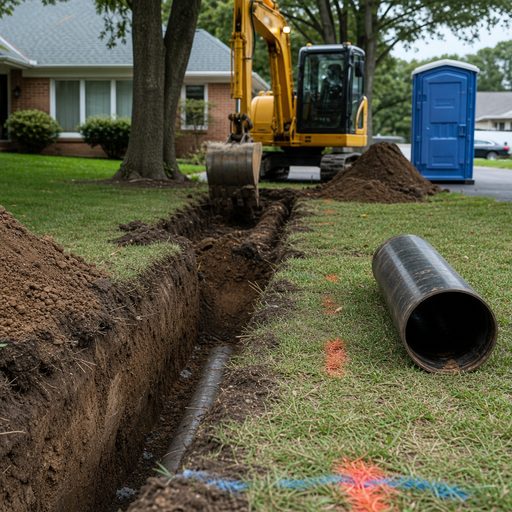
Before any work begins, a professional inspects the line, usually with a camera, to confirm that replacement is warranted and to map the run. This is also when buried utilities are located and marked so the work stays clear of gas, water, and electrical lines, and when any required permits are arranged. This planning stage is what makes the rest of the job go smoothly, and it is where the method, whether trenchless or open-cut, is chosen based on the line's condition and layout.
- A camera inspection confirms the line needs replacing and maps its path and depth.
- Buried utilities are located and marked so the crew can work safely around them.
- Permits are arranged where local rules require them.
- The method is chosen, trenchless or traditional, based on the line and access.
The Replacement Work Itself
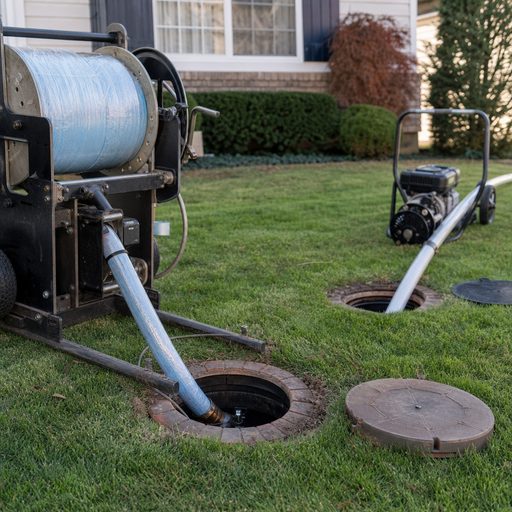
With planning done, the crew sets up and carries out the replacement. A trenchless job works through one or two small access points, while a traditional dig opens a trench along the line's path. In both cases the new pipe is installed, connected, and checked before anything is closed back up. During this stage you can expect equipment in the yard, some noise, and limited access to the work area. Depending on the size and method of the job, the active work often spans part of a day to a few days, with deeper or longer runs taking more time.
- The crew sets up equipment and prepares the access points or trench.
- The new pipe is installed and connected to the rest of your plumbing.
- The work is checked and, where required, inspected before being closed up.
- Trenchless jobs are often quicker and less disruptive than a full open-cut dig.
Ask about water service and timeline up front
Before work starts, ask the plumber how long your home may be without normal drain or water service, whether you will need to limit water use during the job, and what the realistic timeline is for your specific line. Knowing this in advance lets you plan around it, especially if the work spans more than one day.
What to Plan For at Home
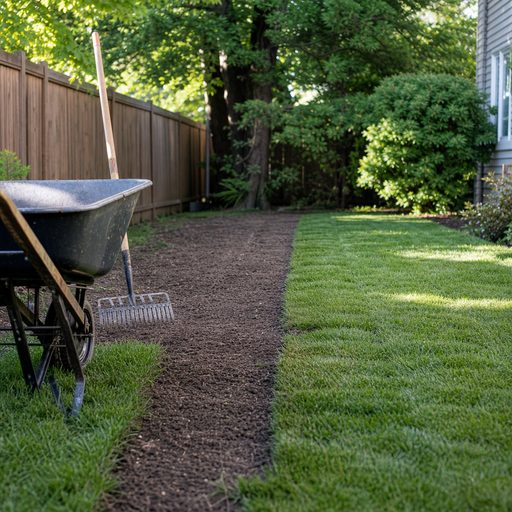
A replacement touches more of your property than a small repair, so a little preparation goes a long way. Expect work vehicles and equipment to need space, an area of the yard or driveway to be off limits while the job is underway, and some interruption to drain or water service. Clearing the work area, keeping pets and children away from it, and planning around any water-use limits will make the day far smoother. Once the new line is in and verified, attention turns to closing up and restoring the surface.
- Space for work vehicles and equipment near the work area.
- A section of yard or driveway being off limits while the job is active.
- Possible limits on drain and water use during parts of the work.
- Keeping pets and children well clear of equipment and open ground.
When to Call a Professional
A sewer line replacement is firmly professional territory from start to finish, since it involves buried utilities, contaminated water, and your property's structure, and it should never involve digging or breaking into a slab on your own. Sewer line replacement service handles the inspection, the chosen method, and the connections, and can tell you whether a simpler sewer line repair might address the problem instead. To understand the methods that shape how disruptive the job is, see our guide on pipe lining versus pipe bursting, and to know what happens once the pipe is in, read about yard and landscaping restoration after a sewer replacement.
Sources and further reading
These references support material safety, technical, consumer, or planning guidance in this article. Confirm property-specific requirements with the applicable authority and professional.