 Plumbing Advisors Editorial TeamEditorial StandardsUpdated April 29, 2026Source-Checked
Most plumbing emergencies feel sudden, but they rarely come out of nowhere. A burst pipe, an overflowing toilet, or a sewage backup is usually the final moment of a problem that has been building quietly for weeks, months, or even years. Understanding how the most common emergencies actually start does two useful things: it helps you catch the early warning signs while a fix is still small and cheap, and it helps you respond faster when the worst does happen because you understand what you are dealing with. Here are the emergencies homeowners run into most, and the chain of events behind each one.
Burst and Leaking Pipes
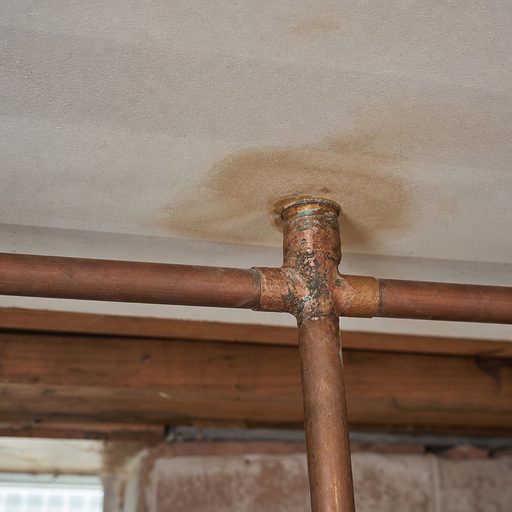
A burst pipe is one of the most damaging emergencies because it can release dozens of gallons in minutes. The causes, though, develop gradually. Freezing weather is a classic trigger, as ice expands inside an unprotected pipe until it cracks. Slow corrosion weakens older metal pipes from the inside until they finally give way. Repeated pressure surges, sometimes felt as banging pipes, stress joints over time. The early warnings are often subtle: a small stain on a ceiling or wall, an unexplained jump in your water bill, or a faint sound of running water when everything is off.
Clogs, Backups, and Sewer Problems
Overflowing toilets and drain backups usually trace back to a blockage that grew until water had nowhere to go. The patterns below tend to precede the messiest backups, and noticing several of them together often means the trouble lies in a shared line rather than a single fixture.
- Grease, hair, and debris building up in a drain until it finally stops flowing entirely.
- Flushing wipes, paper towels, or other items that do not break down and lodge in the line.
- Tree roots working into small cracks in a sewer line and slowly choking it off.
- Several drains slowing at once, or a toilet that gurgles when a sink or tub runs, hinting at a main-line clog.
- Backups that return quickly after clearing, suggesting the real blockage is deeper in the system.
Skip the chemical drain cleaners
When a drain slows, a chemical drain cleaner can be tempting, but these corrode pipes, damage seals, and create dangerous fumes while often failing to clear the real blockage. Stick to a plunger and have a professional handle anything stubborn, especially if the slowdown affects more than one fixture.
Water Heater and Fixture Failures
Water heaters and everyday fixtures cause their share of emergencies too. A water heater tank that has been quietly corroding inside can begin to leak or, in time, fail and dump its contents. Sediment building up at the bottom of the tank accelerates that wear. Fixture emergencies often start small as well, such as a supply line under a sink that has been seeping for a while before the connection finally lets go. The recurring theme across nearly all of these is that water finds a way out gradually, leaving clues, before it ever floods. Paying attention to small leaks, stains, and changes in how your plumbing behaves is the best early-warning system you have.
When to Call a Professional
Whenever one of these problems crosses from a warning sign into active water spreading, or whenever a leak is hidden inside a wall, ceiling, or floor, it is time for professional help. Emergency plumber service can stop the damage and make the repair safely in the moment, while a recurring backup or root-choked line may call for sewer line repair to address the underlying cause rather than just the symptom. If an emergency does strike, our guide on the first five minutes of a plumbing emergency walks through the immediate steps to take, and learning to tell a real plumbing emergency from what can wait helps you respond at the right level of urgency.
Sources and further reading
These references support material safety, technical, consumer, or planning guidance in this article. Confirm property-specific requirements with the applicable authority and professional.