 Plumbing Advisors Editorial TeamEditorial StandardsUpdated May 5, 2026Source-Checked
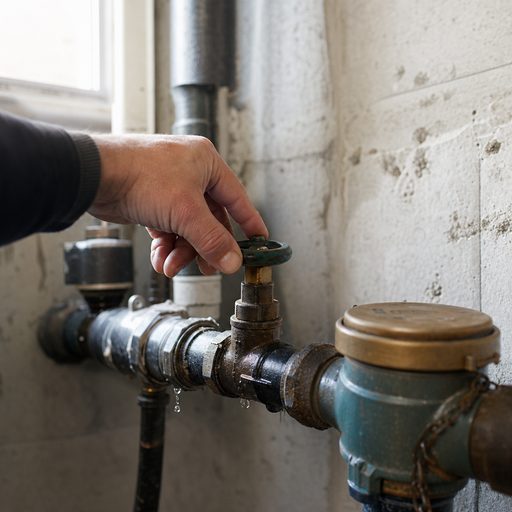
After you have stopped the water from a burst pipe, the next stretch of time matters more than people expect. Water damage gets worse the longer moisture sits, and acting promptly can be the difference between a manageable cleanup and a drawn-out problem with warped floors and mold. The steps that follow assume the water is already off and the area is safe to enter. If you have not shut the water off yet, that comes first. Work through these moves calmly and in order, keeping safety ahead of speed, and you will limit the damage while you arrange professional help.
Make Sure the Area Is Safe to Enter
Before you start cleaning, take a moment to confirm it is safe. Standing water near outlets, light fixtures, or appliances can be an electrical hazard, so do not wade in until power to the area is off or you are certain the water is well clear of anything electrical. If the ceiling above is sagging or bulging with trapped water, stay out from under it. And if the water may have come into contact with sewage, treat it as a health hazard and keep your distance. Safety always comes before saving belongings, and no possession is worth a serious risk.
Document the Damage for Insurance
Before you move or clean anything more than necessary, take clear photos and video of the damage. Capture the standing water, the affected walls and floors, and any soaked furniture or belongings, including close-ups that show the extent of the harm. Many homeowners insurance policies cover sudden water damage from a burst pipe, and good documentation makes a claim far smoother. Hold on to damaged items rather than discarding them right away, and keep any receipts for emergency repairs or supplies, since your insurer may want to see them.
- Photograph and film the damage thoroughly before you start cleaning up.
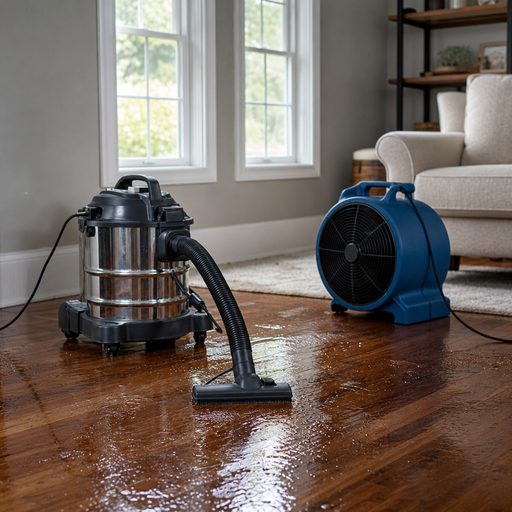
- Soak up standing water with towels, mops, or a wet/dry vacuum as soon as it is safe.
- Open windows and run fans and a dehumidifier to dry the space and discourage mold.
- Move wet rugs, furniture, and belongings to a dry area so they can air out.
- Keep the home heated in cold weather so any water left in the pipes does not refreeze.
Do not wait on hidden moisture and mold
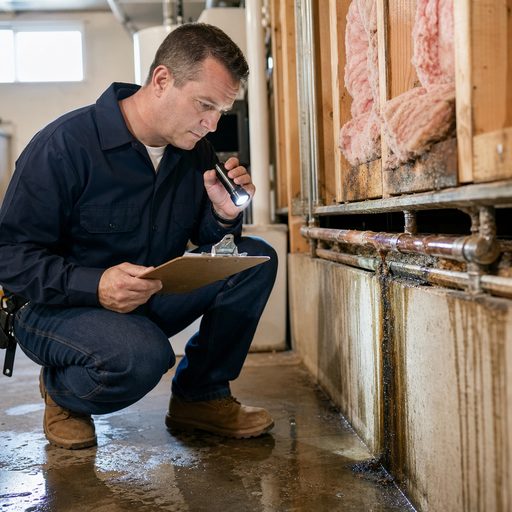
Water spreads into wall cavities, under flooring, and behind baseboards where you cannot see it, and mold can begin to grow within a day or two of moisture sitting. If walls feel damp, smell musty, or the flooding was significant, bring in a professional to assess hidden moisture rather than assuming a surface that looks dry is actually dry. Catching it early is far easier than dealing with mold later.
Start Drying Out and Avoid DIY Repairs Under Pressure
Once standing water is removed, your goal is to dry the space as thoroughly and quickly as you can. Fans, open windows, and a dehumidifier all help, and pulling up soaked rugs gives the floor beneath a chance to dry. What you should resist is the urge to make a quick pressurized repair on the pipe yourself so you can turn the water back on. A patch that is not done correctly can fail again under pressure and cause a second flood, often worse than the first. Leave the water off, or off to that line, until a professional has properly repaired the break.
When to Call a Professional
Water damage and a broken pipe usually call for two kinds of help, and sometimes the same visit can start both. Professional burst pipe repair fixes the pipe and checks for related damage behind walls and under floors that is easy to miss. If water is still active or the break is hidden inside the structure, emergency plumber service is the right call so things do not get worse while you wait. For the steps that come before this, our guide on stopping the water from a burst pipe covers the immediate shutoff, and if you are wondering what the repair will involve financially, our guide on burst pipe repair cost explains the factors that shape an estimate.
Sources and further reading
These references support material safety, technical, consumer, or planning guidance in this article. Confirm property-specific requirements with the applicable authority and professional.
- U.S. EPA - Sanitary sewer overflows
- U.S. EPA - Private sewer laterals
- U.S. EPA - Frequent questions on septic systems
- American Red Cross - Preventing and thawing frozen pipes
- National Association of Insurance Commissioners - Homeowners insurance
- National Association of Insurance Commissioners - Burst-pipe water damage
- Federal Trade Commission - Avoiding home-improvement scams