 Plumbing Advisors Editorial TeamEditorial StandardsUpdated March 12, 2026Source-Checked
When a pipe springs a leak, the repair can look almost effortless when a professional handles it, but there is a clear sequence behind that smooth work. Knowing the steps helps you understand what you are paying for, why finding the leak is sometimes the hardest part, and why a clean, lasting repair takes more than just patching a hole. Whether the leak is at an exposed joint under a sink or hidden inside a wall, the same basic process applies, adjusted for how easy the pipe is to reach.
First, Find and Reach the Leak
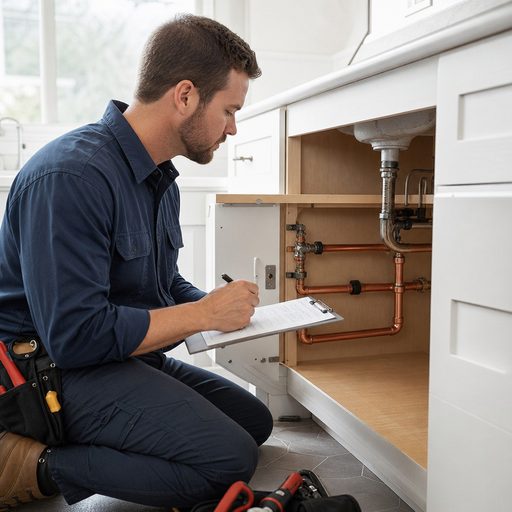
Every repair begins with pinpointing exactly where the pipe is leaking. On an exposed line this is often as simple as a visual check, but a hidden leak may call for acoustic listening, moisture meters, or thermal imaging to locate the source without opening walls at random. Once the spot is confirmed, the plumber gains access to the pipe, which on a concealed line can mean carefully cutting an opening in drywall or flooring. Getting this part right matters, because locating the leak precisely keeps the access hole small and the restoration afterward as minor as possible.
Shut Down, Drain, and Repair
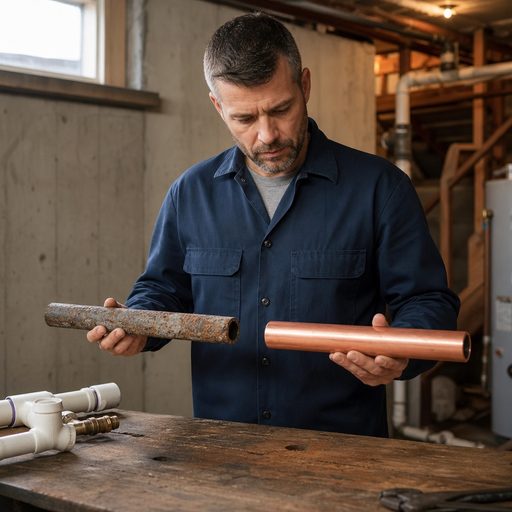
With the leak exposed, the next steps protect the rest of the home and set up a solid repair. The line is shut off and drained so no water is flowing while the work is done. From there, the approach depends on the damage: a small, isolated leak may be sealed or the fitting replaced, while a corroded or split run is usually cut out entirely and a fresh piece of pipe spliced in. The general sequence looks like this.
- Shut off the water to the affected line, or the whole home if needed, and open a lower faucet to drain the pipe.
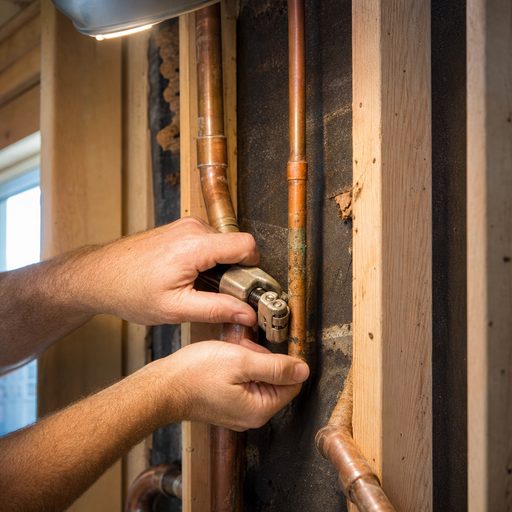
- Cut out the damaged section cleanly, removing enough pipe to reach sound, undamaged material on each side.
- Prepare the pipe ends and join in a new section or fitting using the method suited to the pipe material.
- Let any soldered or solvent-welded joints set properly before water is restored.
- Turn the water back on slowly and check the repair under pressure for any sign of weeping or drips.
- Confirm the area is dry, then close up and restore any drywall, tile, or flooring that was opened.
Know where your main shutoff is
The single most useful thing you can do before any pipe problem is to know where your main water shutoff is and that it turns freely. If a pipe lets go suddenly, shutting off the water quickly limits the damage and buys time until a professional arrives. It is a safe, simple step every household should be ready to take.
Testing and Restoration
A repair is not finished the moment the new pipe is in place. The plumber restores pressure gradually and watches the joint closely, since a fitting that was rushed can weep slowly and cause fresh damage behind a newly closed wall. Only once the repair holds cleanly under full pressure is the access point patched and the surface restored. On a hidden line, that drywall or flooring work is a real part of the job, which is one reason an accurate diagnosis up front, with a small, precise opening, saves both time and money in the end.
When to Call a Professional
While shutting off the water is a safe step any homeowner can take, cutting into pressurized lines and joining pipe is work best left to a professional, both for a lasting seal and to avoid turning a small leak into a flood. Pipe repair handles the fix itself, and leak detection earns its keep when the source is hidden, keeping the opening small and the restoration light. To understand what shapes the bill for this work, see our guide on how much pipe repair costs, and if the damage turns out to be widespread, our comparison of pipe repair versus section replacement versus a whole-home repipe can help you decide how far to go.
Sources and further reading
These references support material safety, technical, consumer, or planning guidance in this article. Confirm property-specific requirements with the applicable authority and professional.