 Plumbing Advisors Editorial TeamEditorial StandardsUpdated July 5, 2026Source-Checked
Burst pipe repair costs vary widely because each situation is unique. Factors that affect the price include the pipe’s location, type, extent of the damage, accessibility, and potential for water damage restoration. To understand what drives a burst pipe repair quote and anticipate all related expenses, read below for a thorough breakdown of the key considerations and decision points.
What Factors Influence the Cost to Repair a Burst Pipe?
Several major elements determine how much you might pay for burst pipe repair. The pipe’s material plays a significant role: copper, PEX, CPVC, and galvanized steel all require different techniques and parts, such as couplings, shut-off valves, and unions. Accessibility is another big factor—an exposed pipe in a basement is much easier (and faster) to address than one in a wall cavity, under a slab, or above a finished ceiling. The scope of the damage, including whether it's a small pinhole leak or a section completely split over several feet, dictates the repair’s complexity and labor time.
Emergency response needs also add to the cost. If water is flowing or threatening your home and a plumber must respond after business hours, expect higher rates for emergency plumbing services compared to routine, scheduled work. Regional labor rates and local plumbing codes affect the final price as well. Always check with a local, licensed plumber who will account for your jurisdiction’s requirements and the specifics of your plumbing system.
- The pipe material (copper, PEX, CPVC, galvanized steel)
- Where the break occurs (exposed, behind walls, under flooring, or underground)
- Length and size of pipe affected
- Emergency versus scheduled repairs
Pipe Materials: How They Impact the Repair
The type of pipe makes a substantial difference in both the procedure and duration of a burst pipe repair job. Copper pipes, common in older and mid-century homes, typically require sweating (soldering) new fittings or copper pipe segments. PEX, a flexible plastic, is increasingly popular and often joined using crimp, push-fit, or expansion fittings (brands like SharkBite supply popular push-fit solutions). Galvanized steel is rarely used in new builds but still found in older homes—replacing these corroded pipes is often costlier and more invasive. CPVC is another alternative, requiring careful priming and solvent welding of fittings.
Certain components are nearly always involved in burst pipe repair, such as couplings, elbows, shut-off valves, and unions to piece together new sections. Depending on the damage, your plumber may recommend inspecting or even replacing neighboring elements like pressure reducing valves (PRVs), isolation valves, or even water hammer arrestors—especially if these parts show signs of aging or damage themselves.
Accessing the Break: More than Just the Pipe
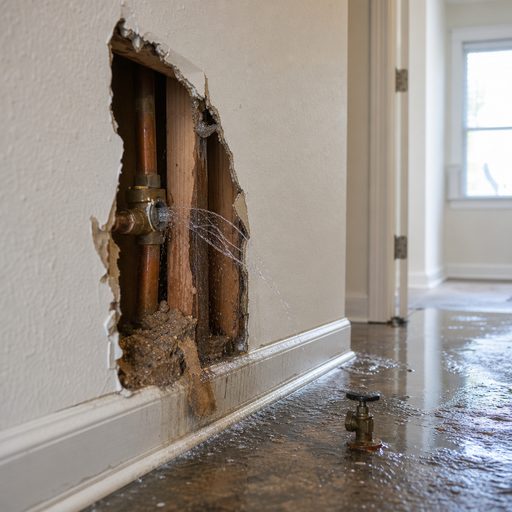
If the burst pipe is visible and easy to reach (as is often the case in unfinished basements), repairs are generally more straightforward. When pipes fail inside walls, ceilings, floors, or underneath concrete, repair costs rise because of the additional time and specialized tools required to locate, expose, and then restore the area post-repair. Technicians may need to use diagnostic equipment, such as moisture meters, thermal cameras, or inspection cameras, to pinpoint leaks in hidden locations without excessive demolition.
After repairing a burst pipe behind finished surfaces, restoration work is necessary. Drywall, tile, flooring, or insulation may need to be cut, removed, and replaced. While plumbers handle the pipe itself, other professionals like drywall contractors and restoration services are often required for the finish work. Restoration is a major cost driver; if water has soaked insulation or subfloors, additional remediation steps are likely.
Water Damage Restoration: The Hidden Cost
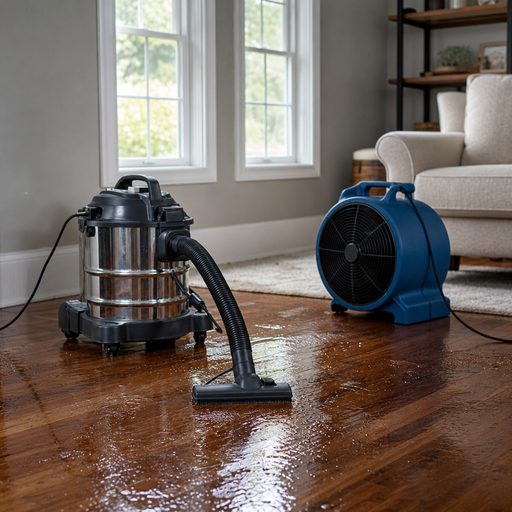
Repairing the plumbing itself may be only a fraction of total burst pipe recovery costs. Water from a burst pipe can quickly saturate walls, subfloors, insulation, and even electrical systems. Once the leak is stopped, prompt drying is vital to prevent mold and structural damage. Water extraction specialists use fans, dehumidifiers, and moisture monitoring to return spaces to a safe, dry state. This service is billed separately from plumbing and is particularly impactful in finished areas or multi-story homes.
- Water extraction and drying
- Dehumidification and moisture checks
- Drywall, flooring, or insulation replacement
- Mold remediation (when needed)
- Electrical or structural inspections
What to Expect from a Burst Pipe Repair Visit
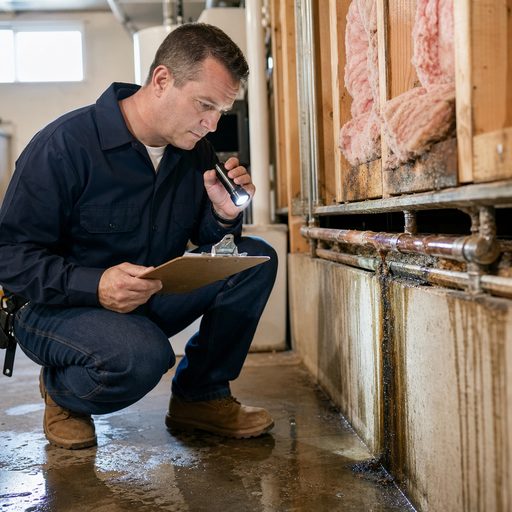
When you request burst pipe repair, a licensed plumber begins by shutting off the water supply and inspecting the affected section. Using tools like pipe cutters, crimpers, or soldering equipment, the pro removes the damaged pipe and any components, such as couplings, that were compromised. For hidden leaks, they may cut access holes in drywall or ceilings and use leak detection gear to confirm the full extent of the damage.
- Water supply shut-off and initial assessment
- Leak location and access—sometimes requiring drywall removal
- Removal and replacement of the broken pipe section and relevant fittings
- Pressure/flow testing for leaks
- Advice on additional repairs if needed (restoration, further pipe replacement)
Can You DIY Burst Pipe Repair? (And When You Shouldn’t)
Some homeowners consider DIY pipe repair, particularly for minor drips on exposed pipes. However, burst pipe repair is rarely a safe candidate for DIY unless the damage is visible, water is completely shut off, and no gas or electrical components are nearby. Many pipe materials require special tools—solder for copper, crimpers for PEX, solvent for CPVC. Work behind finished walls or on load-bearing elements (joists, studs) risks code violations or hidden water issues if not properly handled. Repairs to gas lines or near electrical components should never be attempted without a license and training. Chemical drain cleaners should also be avoided, as they can damage pipes and create safety hazards.
Licensed plumbers not only repair the pipe but also check for systemic issues that could cause recurring failures, such as water pressure problems, failing pressure reducing valves (PRVs), or faulty temperature and pressure relief (TPR) valves on water heaters. Where larger issues are present, upgrading components or rerouting piping may prevent future emergencies. Use professional Burst Pipe Repair or Pipe Repair services for any significant or hidden break to protect your home, safety, and insurance coverage.
Avoid hidden dangers with older plumbing systems
Older homes often have galvanized steel lines and fittings that can corrode internally, making future breaks likely. If you experience repeated leaks, your plumber might recommend whole-house repiping. Never attempt repair near gas lines, electrical wiring, or if you suspect mold—call professionals to avoid health and safety risks.
Steps to Take Before and After a Burst Pipe Repair
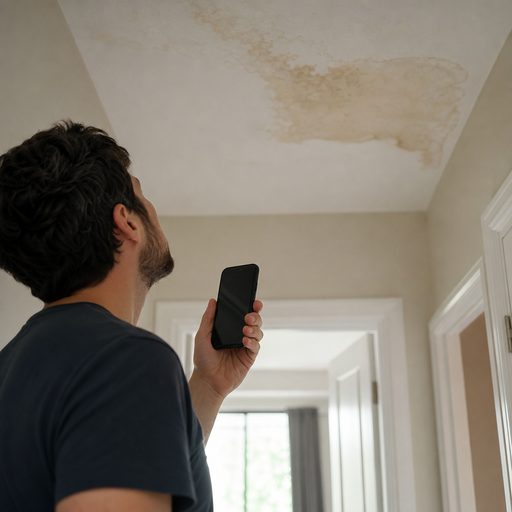
Limiting water damage begins the moment you discover a burst pipe. Immediately shut off the main water supply—often found near your water meter or where the main line enters your home. Open a faucet to relieve pressure, then, if water is near electrical outlets or panels, cut power to affected areas — but only if you can reach the panel while completely dry; otherwise stay clear and call an electrician or your utility. Document the scene for insurance with photos or video. Consider consulting guides such as Burst Pipe Water Damage: What to Do First and Is a Burst Pipe Always an Emergency? for detailed action steps.
After the plumber completes the repair, inspect the area daily for signs of recurring moisture. If any signs of mold, moisture, or softening drywall appear, arrange for a follow-up inspection or moisture assessment. It may be necessary to engage restoration services to thoroughly dry or repair affected areas. Prevention is also key—ask your plumber about insulation, pipe rerouting, or pressure regulation options to reduce the risk of future incidents. In cold climates, proper winterization is critical to avoid freezing and bursting.
- Shut off main water supply to minimize damage
- Cut power to wet areas only if the panel area is completely dry — otherwise call an electrician
- Document damage for insurance
- Call for professional burst pipe repair
- Monitor for ongoing moisture and mold post-repair
How quickly should I call for burst pipe repair after discovering a leak?
You should call a plumber as soon as possible after discovering a burst pipe. Water can cause major structural and mold damage within hours, so shutting off the water and arranging for professional repair—especially emergency plumbing if water is flowing—will help limit ongoing damage.
Does insurance cover burst pipe repair and water damage?
Most homeowners’ policies cover damage from sudden and accidental pipe bursts, but not slow leaks or neglect. Policies typically pay for repairs to the damage (walls, floors, contents) but not the pipe itself. Document all damage and communicate with your insurer promptly to clarify coverage.
Are there ways to prevent burst pipes in the future?
Yes, prevention includes insulating exposed pipes, fixing leaks early, addressing high water pressure via a pressure reducing valve (PRV), and keeping your heat above freezing in winter. Regular inspections by a professional can catch vulnerable pipe sections and aging components before they fail.
What repair parts are usually needed for a burst pipe?
Common parts include replacement pipe segments (Copper, PEX, CPVC), couplings, elbows, unions, shut-off valves, and sometimes pressure reducing valves. The specific fittings used depend on your piping type and whether adaptors or transitions between materials are needed.
Can I get a quote for burst pipe repair over the phone?
Plumbers may offer a rough estimate based on your description, but a firm quote almost always requires an in-person assessment. Accessibility, extent of water damage, and type of pipe must all be evaluated on site. For an accurate price, expect a technician to inspect the break and provide a detailed estimate before starting work.
Sources and further reading
These references support material safety, technical, consumer, or planning guidance in this article. Confirm property-specific requirements with the applicable authority and professional.