 Plumbing Advisors Editorial TeamEditorial StandardsUpdated April 9, 2026Source-Checked
Replacing all the pipes in a home is a big project, and the honest answer to whether you need one is rarely a simple yes or no. It is a judgment call that weighs how your plumbing is behaving today against the condition and age of pipes you cannot see. A single leak is usually just a repair, but a pattern of trouble across the whole system tells a different story. Rather than reacting to one symptom, it helps to step back and look at the evidence as a whole so you can have an informed conversation with a professional about whether targeted repairs will do or whether a repipe is the wiser long-term move.
Repair or Replace: The Core Question
The decision really comes down to whether your pipes are failing in one spot or across the board. When a leak appears, fixing that section is straightforward and sensible. But when leaks keep cropping up in different places, when water quality is declining, and when the pipe material is one known to wear out, the math shifts. At that point you are no longer fixing a problem so much as chasing a system that is reaching the end of its life, and continuing to patch it can cost more over time than replacing it once. Weighing the factors below together, rather than any single one, is how to read which side of that line you are on.
- Frequency of leaks, since one repair is routine but several in a short span points to a system-wide problem.
- The age of the home and when the plumbing was last replaced, as older lines are closer to the end of their service life.
- The pipe material, because some older types are far more likely to fail than modern PEX or current-grade copper.
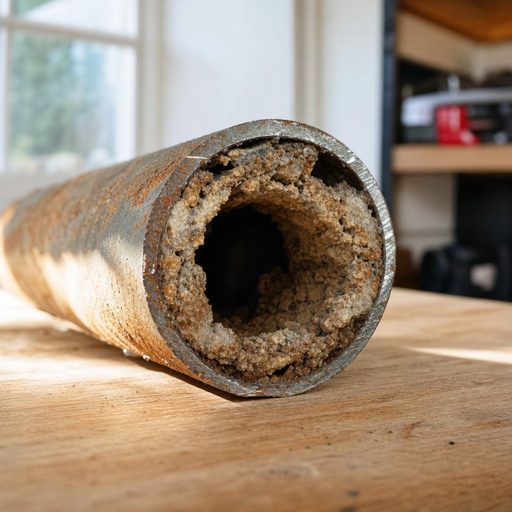
- Water quality, including rusty or discolored water and a metallic taste that can signal corrosion inside the lines.
- Whole-home water pressure that has dropped over the years rather than at just one fixture.
- How much you plan to stay, since a long-term home often justifies replacing pipes that a short stay might not.
A Safe Way to Gather Evidence
You can collect useful information yourself without opening any walls. Note where and how often leaks have happened, and keep an eye on your water bill for a steady, unexplained climb that can hint at a hidden leak. Run a tap that has not been used for a while and watch for rust-colored water in the first flow. Look at any exposed pipe in a basement, crawl space, or under sinks for visible corrosion, flaking, or staining. None of this confirms the need for a repipe on its own, but it gives a professional a much clearer starting point and helps you understand what they find.
Get a straight answer on repair versus replace
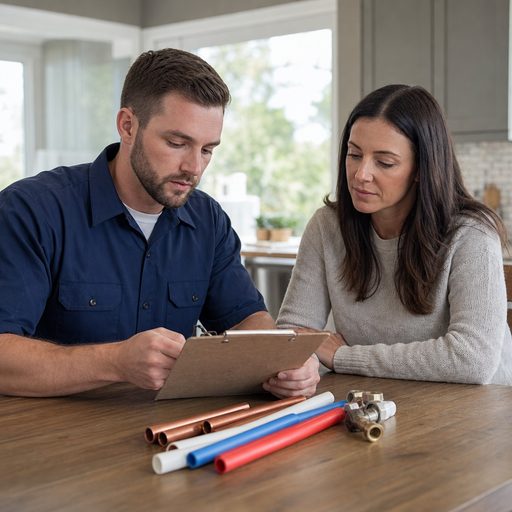
When you have a plumber out, ask directly whether they would repair the failing section or repipe the home, and why. A trustworthy pro will explain the trade-offs and the condition of your specific pipes rather than pushing the largest job by default. If anything feels rushed, it is reasonable to get a second opinion.
When to Call a Professional
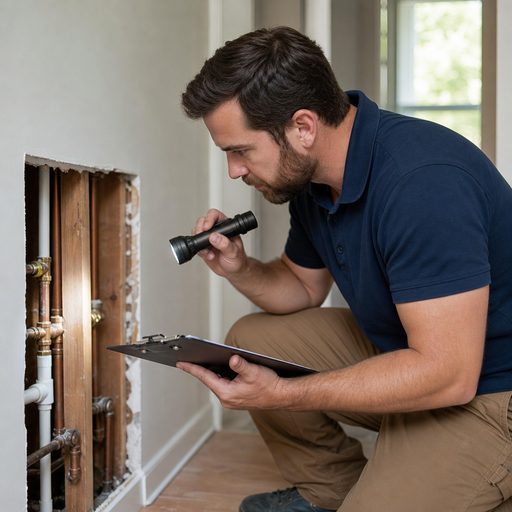
Deciding between spot repairs and a whole-home repipe is genuinely a professional call, because it depends on the condition of pipes you cannot see and on how much life is left in the system as a whole. Repiping services can inspect your plumbing, identify the material, and tell you whether replacing the lines is the better long-term value, while pipe repair on a few sections may be all you need if the rest is sound. If recurring leaks are part of the picture, leak detection services can pinpoint where water is escaping without guesswork. To understand which older materials raise the odds of failure, see our guide on galvanized and polybutylene pipe risks, and if a repipe looks likely, our overview of whole-house repiping cost explains what shapes the price.
Sources and further reading
These references support material safety, technical, consumer, or planning guidance in this article. Confirm property-specific requirements with the applicable authority and professional.