 Plumbing Advisors Editorial TeamEditorial StandardsUpdated May 4, 2026Source-Checked
If you hear a sharp bang, knock, or thud in your walls the moment a faucet shuts off or an appliance stops filling, you are almost certainly hearing water hammer. It can be startling, but the noise itself is a symptom rather than the problem, and understanding what is happening behind the wall makes it far less alarming. Left unaddressed for a long time the repeated shock can loosen fittings and stress joints, so it is worth knowing what causes the banging, which checks are safe to try yourself, and when the fix really belongs to a professional.
What Water Hammer Actually Is
Water moving through your pipes carries momentum, much like a car rolling down the street. When a valve closes quickly, that moving water is forced to stop almost instantly, and the energy has to go somewhere. It slams against the closed valve and sends a pressure wave echoing back through the pipe, which you hear as a bang or a series of knocks. The faster the valve shuts and the higher the water pressure, the louder and more jarring the shock tends to be.
Why Your Pipes Bang
Several conditions can cause or worsen water hammer, and often more than one is at play at the same time. The most common culprits are fast-closing valves, air chambers that have lost their cushion, water pressure that is set too high, and pipes that are not secured firmly enough to absorb movement. Identifying which of these applies to your home helps you understand whether a simple adjustment will quiet the noise or whether the system needs a more involved fix.
- Fast-closing valves, such as the solenoid valves in washing machines, dishwashers, and ice makers that snap shut in an instant.
- Failed or waterlogged air chambers, the short capped pipe stubs that are meant to cushion the shock but lose their air pocket over time.
- Water pressure set too high, which intensifies every pressure wave and makes the banging louder.
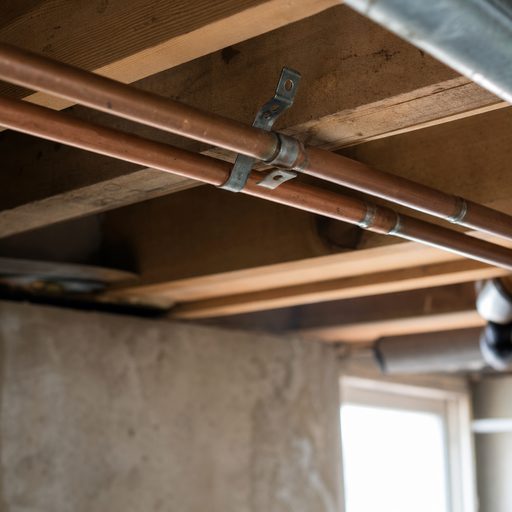
- Loose or unsecured pipes that rattle and knock against framing, joists, or other pipes when the pressure surges.
- Worn or failing fixture parts, such as a faucet washer or fill valve, that close abruptly instead of smoothly.
Safe Checks You Can Try
A few harmless steps may quiet the noise or at least point you toward the cause. If your home has traditional air chambers, draining the system can restore their air cushion: shut off the main water valve, open the highest and lowest faucets in the house to let the water drain out, then close them and turn the water back on. You can also make sure any visible pipes are firmly anchored and add foam pipe insulation where lines run against framing to dampen movement. If a particular appliance triggers the bang, confirm its supply hoses are snug, though the underlying fix for a fast valve is usually a dedicated device.
Note when the banging happens
Before you call anyone, pay attention to exactly when the noise occurs and which fixture or appliance triggers it. A bang only when the washing machine stops filling points to a fast-closing valve, while knocking throughout the house often points to high pressure. That single detail helps a plumber zero in on the right fix faster.
When to Call a Professional
If draining the air chambers and securing loose pipes does not solve the problem, a professional can install lasting solutions such as water hammer arrestors, which are small shock-absorbing devices placed near the valves that cause the trouble. If the banging comes with knocking throughout the house, a plumber can also test your water pressure and add or adjust a pressure regulator to bring the whole system into a safe range. Pipe repair and general plumbing repair services can secure or replace any pipes the repeated shock has worked loose. Because high pressure is a common cause, it can help to review our guide on what causes low water pressure to understand how your system is balanced, and if your pipes are aging and noisy, our guide on the signs you may need to repipe your home is worth a look.
Sources and further reading
These references support material safety, technical, consumer, or planning guidance in this article. Confirm property-specific requirements with the applicable authority and professional.