 Plumbing Advisors Editorial TeamEditorial StandardsUpdated July 5, 2026Source-Checked
Trenchless sewer repair lets you fix or replace sewer lines with minimal digging, sparing most of your lawn, driveway, and patio from disruption. While traditional open-trench methods are sometimes still needed, modern trenchless techniques like pipe lining and pipe bursting make repairs faster and less messy—if your pipe’s condition and placement allow for it. Here’s how the two methods compare and what helps a professional decide which fits your situation.
What Is Trenchless Sewer Repair, and How Does It Work?
Trenchless sewer repair covers several methods designed to fix or replace underground pipes without opening a continuous trench along the entire route. The most widely used approaches are pipe lining (also called CIPP, or cured-in-place pipe) and pipe bursting. Both depend on existing pipe conditions and access points but can save significant time and restore your property to normal far faster than traditional digging.
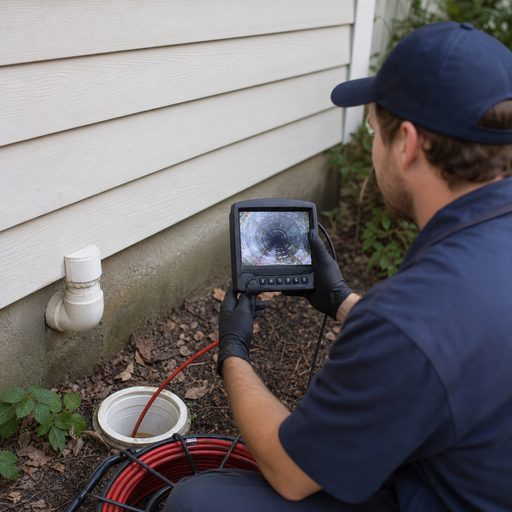
The process starts with a thorough camera inspection. Manufacturers like RIDGID and General Pipe Cleaners supply high-resolution sewer cameras that help professionals identify cracks, root intrusion, corrosion, or pipe collapse. The inspection also locates blockages, obstructions, and the overall structural soundness of the line to determine whether trenchless repair is feasible. Some key components involved in this process include the resin-soaked liner in CIPP repairs, specialized pipe-bursting heads that fragment old pipes, and inversion drums or winches that install new pipe through small access excavations.
- Pipe lining (CIPP) guides a flexible, resin-coated tube into the existing pipe, inflates it, and then cures it—usually via hot water, steam, or UV light—to create a strong, seamless new pipe within the old one.
- Pipe bursting pulls a new high-density polyethylene (HDPE) pipe through the broken line. A bursting head first breaks the old pipe apart while dragging the new pipe into place.
- Both methods require strategically placed access holes but avoid cutting through driveways, sidewalks, or established landscaping.
Traditional Dig: How Open-Trench Sewer Repair Is Done
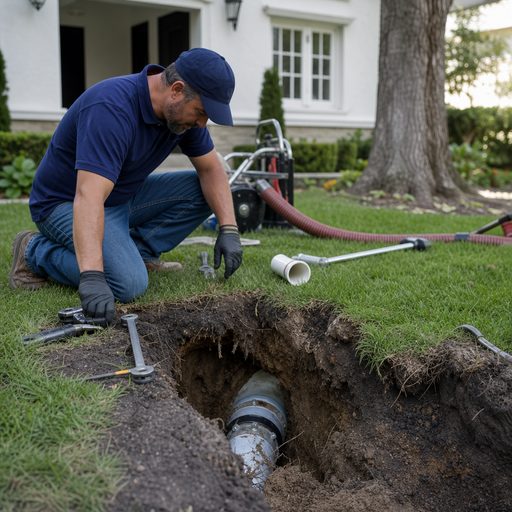
Traditional sewer repair uses a trench dug by hand or machine to expose the pipe. Once exposed, the plumber removes damaged pipe sections and fits new segments—often using durable materials like PVC or ABS. Key parts include pipe couplings, Fernco rubber connectors for joining sections, and bedding materials for support. After the replacement, soil is compacted back into the trench and surface restoration begins, which may involve new turf, poured concrete, or paver stones.
Despite the mess, open-cut repairs have advantages. They provide full access to any point on the line, allow spot repairs and total replacements alike, and make resolving complications like severe root intrusion or collapsed sections more straightforward. This approach is still common for pipes in poor overall condition, or when the pipe runs under inaccessible or sensitive features like retaining walls that trenchless equipment can't navigate. Local excavation codes and environmental considerations (especially near trees or water lines) often guide the exact process and methods allowed.
Never attempt sewer excavation yourself
Excavation and sewer line entry expose you to hazardous sewage, buried utilities, and structural risks. Always hire licensed professionals with experience in sewer repairs—never try DIY on these jobs, as improper work can cause major damage or pose health dangers. Utilities must be located and marked before excavation begins.
How to Choose: Factors Guiding Trenchless vs. Traditional Repair
Selecting the right repair method is not simply about preference—it's about pipe condition, accessibility, and the kind of repair or replacement needed. Plumbers rely on diagnostic steps, especially camera inspection, to weigh these elements. If the line is relatively intact (e.g., cracked, corroded, or invaded by roots but structurally complete), trenchless repair is usually possible. Severely collapsed, offset, or excessively deteriorated pipes typically require open-trench replacement.
Surface considerations also matter. If the line runs under landscaping you want to preserve, patios, paver walks, or a driveway, trenchless has a clear edge. However, lines with limited access, sharp bends, or historical materials (like Orangeburg or cast iron in very poor shape) may not accept liners or bursting techniques. Confirming local plumbing codes is always important, since some municipalities restrict certain trenchless methods due to past issues or inspection access.
- Suitability of the existing pipe (diameter, material, slope, and general condition)
- Severity and type of pipe damage (cracks, breaks, joint separations, full collapse)
- Presence and depth of obstructions (driveways, large tree roots, utility crossings)
- Required pipe longevity and structural strength
- How much restoration you can accept after the job
Major Components Used in Each Method
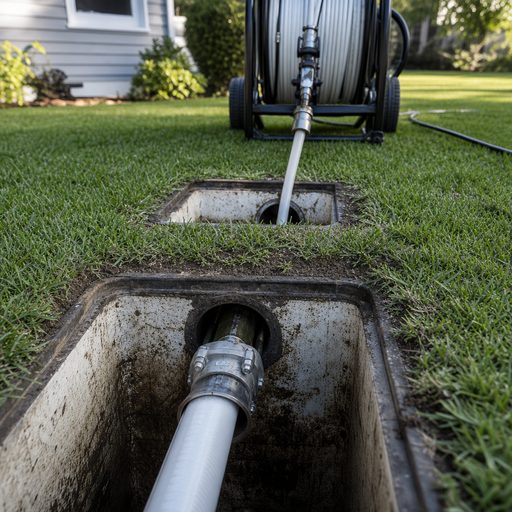
Trenchless and traditional sewer repairs involve different key tools and replacement parts. For trenchless pipe lining, brands like Perma-Liner and NuFlow produce epoxy or resin-coated felt liners and inversion drums for installation. A curing system (using hot water, steam, or UV light) hardens the liner into a solid, smooth “pipe within a pipe.” In pipe bursting, the crucial parts are the bursting head (a cone-shaped steel device), the new HDPE or similar replacement pipe, and a winch or hydraulic ram to pull the entire assembly through. Replacement pipe diameters and materials must meet your local building codes.
For open-trench repair, typical components include lengths of schedule 40 PVC or ABS pipe, slip couplings, and flexible rubber Fernco connectors. Diagnostic tools like sewer cameras and pipe locators from Milwaukee or RIDGID help map the repair and monitor the work. Both methods often incorporate cleanouts (removable access points), which are critical for future maintenance. A professional also checks the check valve and vent piping on any sewage ejector system and inspects for proper venting and slope during a replacement.
Steps Professionals Take: The Sewer Repair Visit
Every sewer line repair begins with a thorough investigation, usually called a sewer camera inspection. This visual check locates blockages, cracks, root growth, or collapsed pipe sections. If the inspection suggests trenchless is viable, pros map out access points—often through existing cleanouts or by digging minimally invasive entrance and exit pits. For pipe bursting, specialized machinery is set up to drag the bursting head and new pipe along the former line’s path.
If a traditional open-trench repair is required, the crew marks utility lines and excavates a trench from surface to pipe. They cut and remove the damaged portion, install new segments with proper couplings, then carefully restore soil and surfaces to avoid future settling. Throughout, professionals watch for issues like faulty connections, incorrect slope, or signs of gas or water line proximity. Before closing out, most licensed plumbers run a final camera check to confirm the repair is watertight and install accessible cleanouts for future use.
What Drives the Cost? Factors to Consider
Multiple elements affect the total price for sewer line repair, so it is important to discuss cost drivers rather than a fixed figure. Trenchless repairs generally cost less in surface restoration but may cost more per foot of line due to specialized equipment and materials. Deep, long, or hard-to-access lines can increase both trenchless and open-cut costs due to labor, permits, and time on site. If you have extensive hardscaping or must replace unusually deep or old pipe, this tends to tip the scales toward higher costs as well.
Expect significantly different price profiles if major features (like a driveway) need to be restored, or if the professional encounters complications such as bellied pipes or complex city tap connections. Permitting, inspection, hauling, and materials all add to the final bill. For a detailed review of what to anticipate, see the related cost guide and refer to our guide How Much Does Sewer Line Repair Cost? for a comprehensive breakdown.
Tip: Ask for camera footage of your sewer line
To feel confident in your repair choice, always request a copy of camera inspection footage from your professional (many provide this as a standard part of their service). Seeing the pipe’s true condition helps you understand recommendations and makes it easier to compare quotes for Sewer Line Repair or Sewer Line Replacement.
Lifespans, Guarantees, and Preventive Maintenance
Preventive maintenance is essential to help your sewer line last as long as possible. This includes routine camera checks, cleaning with mechanical augers or hydro-jetting (never chemical drain cleaners), and avoiding tree planting above sewer routes. Keeping grease, wipes, and non-dissolvable items out of your drains helps prevent future blockages and the need for both trenchless and traditional repairs. A cleanout port left above ground by your plumber makes future inspections and cleanings much easier and more effective.
Related Services and When to Seek Professional Help
If you're facing repeated backups, slow drains, or persistent wet spots in your yard, it's time for a Sewer Line Repair specialist to inspect your system. Sewer Line Replacement becomes necessary if inspection reveals widespread failure or collapse. If you suspect old Orangeburg, cast iron, or clay pipes under your property, don’t wait for a disaster—ask for a full camera inspection. Our guide What a Sewer Camera Inspection Reveals Before Repair covers what to expect from this key diagnostic step and helps you better understand the basis for the repair recommendation.
For broader project decisions—including how method choice may affect your overall budget and timeline—it helps to read the guide How Much Does Sewer Line Repair Cost? Both sources provide information about process, components, and prevention, equipping you to work knowledgeably with local pros on the best solution for your property.
Is trenchless sewer repair suitable for all types of pipes?
Trenchless repair works with most modern sewer pipe materials, such as PVC, cast iron, and clay, but isn’t always compatible with severely deteriorated, collapsed, or misaligned lines. Some older pipe types, like Orangeburg, are often too weak for relining or bursting. Camera inspection helps determine if your pipes are viable candidates.
Can trenchless sewer repair fix root-damaged pipes?
Yes, trenchless methods often repair pipes with minor to moderate root intrusion by removing roots and restoring pipe integrity. However, if roots have fully collapsed or deformed the line, open-trench repair or even full replacement may be needed. Preventive steps after repair help keep roots at bay longer.
How long does trenchless or traditional repair take?
Trenchless repairs can often be completed within one to two days, while traditional open-trench repairs may take longer due to additional excavation and restoration. However, exact timelines depend on pipe length, depth, location, ground conditions, and any unforeseen complications encountered during the process.
Are there visible signs I need sewer repair before a backup occurs?
Common early warning signs include frequent clogs, slow drains in multiple fixtures, soggy patches or unexplained lush spots in the yard, and occasional sewage odors inside or outside. These may indicate partial line obstruction or leaks—consult a professional for a camera inspection before the issue escalates.
Do I need to move out during sewer line repair?
In most cases, you do not need to vacate your home. However, there may be temporary disruptions in drain service or water usage while the repair is underway. The professional will advise you about what to expect, including any short-term access restrictions during construction and restoration.
Sources and further reading
These references support material safety, technical, consumer, or planning guidance in this article. Confirm property-specific requirements with the applicable authority and professional.