 Plumbing Advisors Editorial TeamEditorial StandardsUpdated July 5, 2026Source-Checked
Sewer line repair costs vary widely, depending on what’s wrong, where the line runs, and how the issue is fixed. No two homes—or repairs—are the same, so contractors must evaluate each situation individually. Knowing the factors behind pricing helps you spot a fair estimate and prepare for what’s involved. Read on to learn what truly shapes sewer line repair costs.
What Factors Shape Sewer Line Repair Costs?
No single element decides what sewer line repair will cost—a combination of factors is always at play. The extent of pipe needing repair often drives the overall complexity and price. For example, replacing a 2-foot section is vastly different from relining an entire pipe run from your home to the city main. Pipe depth matters too, since deeper lines mean more time, equipment, and sometimes special excavation like shoring or boring around utilities. All these considerations feed into your estimate.
Access is another chief cost driver. If a sewer line runs under your driveway, mature landscaping, or a patio, extra time and care are needed to access the area without damaging what’s above. In some regions, high water tables or rocky soils mean specialized techniques. The type of sewer pipe—whether it’s cast iron, clay, Orangeburg, or modern PVC—also affects the repair method. Some materials, especially brittle or outdated pipes, require more labor or specialized equipment for safe handling.
- Length of pipe section needing repair or replacement
- Pipe depth and soil/ground conditions
- What's above the work area (hardscape, landscaping, structures)
- Trenchless vs. traditional excavation method
- Current pipe material and age (cast iron, clay, PVC, etc.)
Trenchless vs. Traditional Sewer Repair: Methods Matter
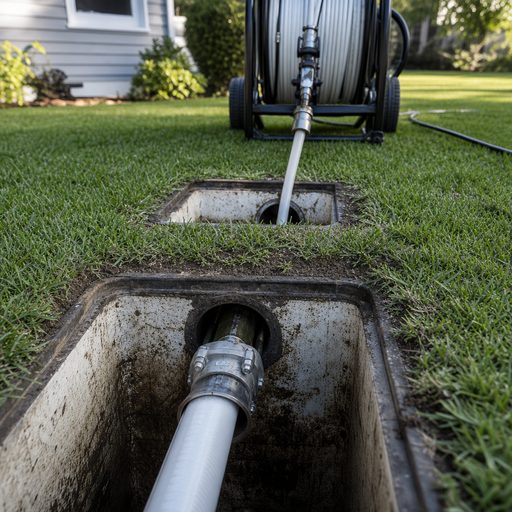
Today’s sewer line repairs are often completed with trenchless methods, such as pipe lining or pipe bursting. These techniques, offered by brands like Perma-Liner Industries and NuFlow, minimize digging—you typically need only small entry and exit points. Trenchless repairs usually preserve landscaping and hardscapes, which can make them appealing compared to the disruption of open trench work. However, not all pipes or soil conditions are good candidates for trenchless repair, so a proper site inspection is necessary.
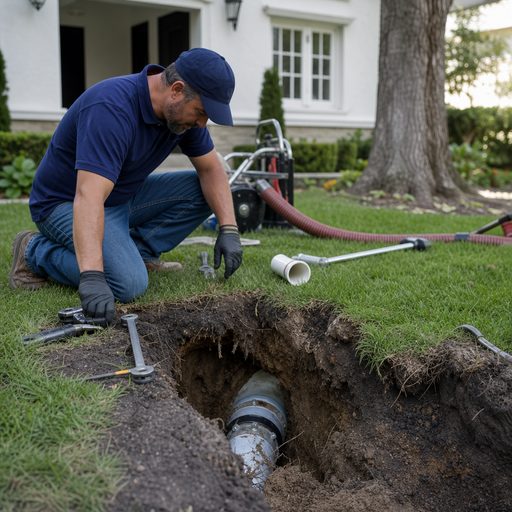
Traditional digging, using backhoes or hand excavation, is still widely used when pipes are collapsed, badly offset, or when roots have caused substantial damage. Entire sections of pipe may need to be removed and replaced with new material such as Schedule 40 PVC or SDR 35 pipe. This method can be labor-intensive, especially with obstacles like driveways or deep installations. While sometimes more costly due to restoration, open trench replacement provides a lasting fix for pipes too deteriorated for lining. For more on the pros, cons, and costs of each option, see the guide Trenchless Sewer Repair vs. Traditional Dig.
Inspection Is Required Before Any Method Is Selected
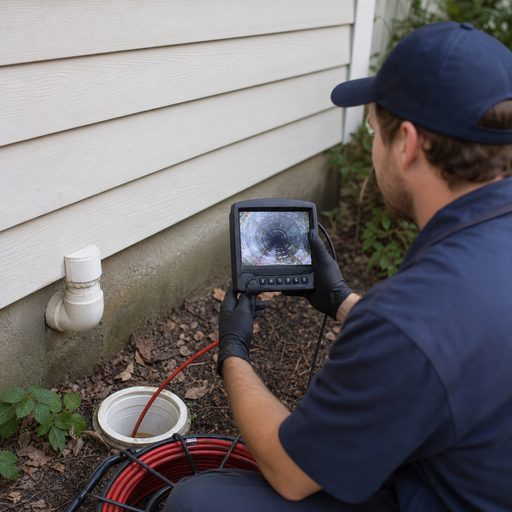
A sewer camera inspection—using equipment from brands such as Ridgid or Spartan—is the first step before any repair method is proposed. This process pinpoints the problem, identifies pipe material, and helps determine whether a trenchless or traditional approach makes the most sense.
Common Signs You Need Sewer Line Repair
Watch for classic warning signs: repeated drain backups, gurgling toilets, slow drains throughout your house, mysterious wet patches in the yard, or foul sewer odors. Inside, a main drain cleanout cap might show signs of leakage or standing water. Left unchecked, damaged sewer lines can lead to serious property damage and even health hazards from sewage exposure.
Some causes are easy to miss without inspection. For example, tree root intrusion can crack or block pipes gradually. Cast iron pipes typically last 50-75 years, but corrosion or joint failure may occur earlier depending on soil and water conditions. Modern PVC lines are more durable, but still vulnerable to shifting soil or poor initial installation. If persistent or widespread symptoms develop, a professional camera inspection is the best route to a proper diagnosis, as described in What a Sewer Camera Inspection Reveals Before Repair.
- Backups in multiple drains
- Frequent need for snaking or augering
- Soggy patches or sinkholes in the yard
- Strong sewage odors inside or outside
- Gurgling noises from toilets or drains
Parts and Materials Involved in a Typical Repair
Several concrete components are involved in most sewer line repairs. Main line cleanout fittings allow access for snaking, augers, or camera inspections. Modern repair jobs often use Schedule 40 PVC or SDR 35 green sewer pipe for replacements, thanks to their longevity and smooth interior for flow. For older lines, transition couplings (such as Fernco rubber adapters) may be needed to connect new PVC to original clay or cast iron sections while maintaining a watertight seal.
Other important parts can include backwater valves, which are code-required in some flood-prone areas to prevent municipal sewer backups into your home. Y-branches and sweep cleanouts are inserted at junctions for future access. In trenchless applications, epoxy liners and calibration tubes from manufacturers like Perma-Liner Industries are used to create a new pipe within the old shell. Each part selection depends on local building code and the specific problem encountered.
What to Expect During a Sewer Line Repair Visit
A typical professional visit begins with questions about symptoms and a walk-through of your home and yard. Next, a camera is inserted into an accessible cleanout (or a new one is cut in, if needed) to inspect the main sewer line’s interior. The technician looks for collapsed sections, offset joints, root intrusion, and identifies material types such as cast iron, clay, or PVC. Depending on the findings, they’ll recommend spot repair, pipe relining, or replacement.
If excavation is needed, crews will mark affected utility lines before digging. Some jobs may require surface restoration—concrete patching, new topsoil, or even replanting landscaping. The repair itself can range from swapping a short section of pipe, to running a new liner, to a full main replacement. The work typically ends with another camera inspection to confirm the line is clear and sealed. Review the estimate for a clear breakdown of diagnosis, repair, and restoration so you know exactly what’s covered.
Keep Inspection and Repair Estimates Itemized
It’s smart to ask your sewer pro for an itemized estimate that separates out diagnostic steps (like camera inspection), parts and labor for the repair, and any surface restoration or landscape work. This transparency helps you compare options and understand how decisions affect your final price.
How Permits and Codes Affect Your Project
Local building codes regulate sewer repairs. Permits are nearly always required when working outside the home or tying into municipal lines, and inspections are mandatory to confirm work meets safety and installation standards. Codes vary by jurisdiction, including the depth pipes must be set, approved materials (such as Schedule 40 PVC or cast iron), and whether additional features like backwater valves or cleanouts are required. Always confirm code requirements with your local building authority before any digging begins.
When Sewer Line Replacement Is Better Than Repair
If your camera inspection finds multiple failures, widespread material breakdown, or chronic blockages, a full sewer line replacement can make sense. Continually patching spot problems in an old line may lead to greater expense and disruption over time than replacing the main run with durable new PVC. If your neighborhood has aging infrastructure—such as clay, cast iron, or Orangeburg pipe from mid-century—a comprehensive replacement may resolve recurring issues once and for all.
- Recurring backups in multiple locations
- Major root infiltration along the pipe’s length
- Large portions of collapsed or severely corroded pipe
- Multiple spot repairs have already failed
Getting and Comparing Sewer Line Repair Estimates
When evaluating repair estimates, look beyond the bottom line. The lowest price is not always the best value—some bids may exclude surface restoration, omit proper permits, or propose lesser materials. A fair estimate starts with an in-person diagnosis (often by camera), a specific description of recommended repairs, and a breakdown of labor, materials, and site restoration. Qualified repair technicians use recognized brands such as Fernco, Perma-Liner, or Charlotte Pipe, and are willing to explain selections. Ask for references or previous project details.
Differences in estimate can stem from the repair method (trenchless vs. traditional), material choices, labor rates, pipe depth or length, and how much restoration is included. Call out anything you don’t understand, and use the related cost guide to see how your scope and circumstances compare to typical projects. For more insights, refer to the Sewer Line Repair and Sewer Line Replacement service guides.
How do I know if trenchless sewer repair is an option for my home?
Trenchless repair is possible if your line is not fully collapsed, access points can be created, and soil conditions support the equipment. A sewer camera inspection is essential to determine pipe condition, alignment, and suitability. Your contractor can explain options based on what they see inside your line.
What brands of pipe or products are most commonly used in sewer repair?
Schedule 40 PVC and SDR 35 green sewer pipe, from companies like Charlotte Pipe, are common for replacements. For trenchless lining, systems from Perma-Liner or NuFlow are popular. Fernco couplings connect new pipe to old materials securely. The choice depends on site conditions and code requirements.
Are sewer line repairs covered by homeowner’s insurance?
Most homeowner’s policies do not cover damage to the exterior line except in specific cases (like sudden breakage from covered hazards). Damage from neglect, root intrusion, or gradual deterioration is often excluded. Check your policy and consider separate sewer line protection if you’re concerned.
How can I reduce the need for future sewer line repairs?
Preventative steps include regular camera inspections, using drain strainers, avoiding flushing items like wipes or grease, and keeping trees or large shrubs away from the path of buried lines. If your line is older, replacing sections proactively can prevent emergencies and protect property.
Sources and further reading
These references support material safety, technical, consumer, or planning guidance in this article. Confirm property-specific requirements with the applicable authority and professional.