 Plumbing Advisors Editorial TeamEditorial StandardsUpdated June 3, 2026Source-Checked
A slab leak is a leak in one of the water lines that runs beneath your home's concrete foundation, and in Texas it is a problem worth understanding well. Much of the state sits on expansive clay soil that swells when it is wet and shrinks when it dries out, and that constant movement shifts slab foundations and puts unusual stress on the pipes embedded in or below them. Because the leak is hidden under concrete, it can go unnoticed for a long time while quietly causing damage to your foundation, your flooring, and the structure around it. Many Texas homes are built on slab-on-grade foundations, which means there is no basement or crawl space to give you an early look at a problem, so the first hint is often an indirect one. Recognizing the warning signs early can be the difference between a contained, manageable repair and a far larger and more disruptive one, so it pays to know exactly what to watch for here.
How Texas Clay Soil Stresses Your Pipes
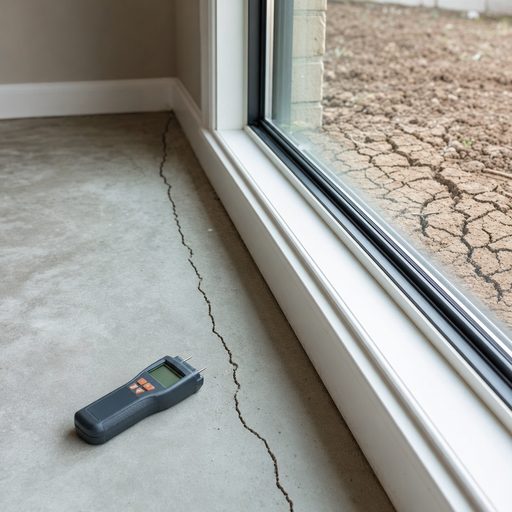
Expansive clay is common across large parts of Texas, and it behaves very differently from stable soils. During wet stretches the clay absorbs water and expands, and during the long dry summers it contracts and pulls away from the foundation. The swing can be dramatic, especially when a wet spring gives way to a hot, dry summer, and the soil under one part of the house may move more than under another. As the ground heaves and settles through these cycles, the slab above it flexes unevenly, and the rigid copper or other water lines running through it are bent and strained along with it. Over years of this movement, joints can loosen and pipes can rub against the concrete until they develop cracks or pinhole leaks. That ongoing soil pressure is part of why slab leaks come up more often in Texas than in regions with steadier ground, and why a leak that starts small can keep getting worse as the seasons turn.
Common Warning Signs
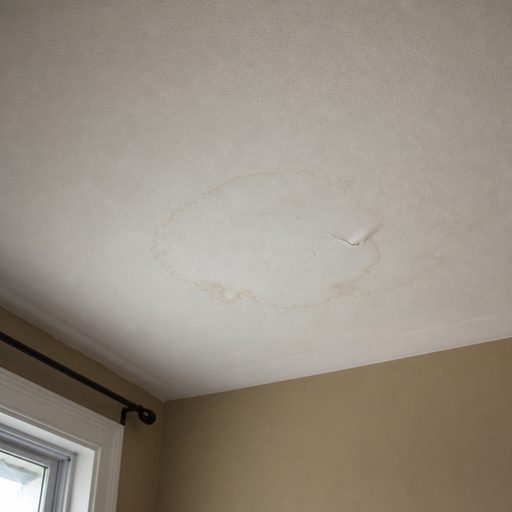
Slab leaks tend to reveal themselves through subtle clues, often well before any water is visible on the surface. Because the leak is sealed under concrete, you are usually noticing its side effects rather than the water itself. If several of the signs below appear together, a slab leak becomes considerably more likely and is worth investigating with professional help.
- A warm or hot spot on the floor, which can signal a hot water line leaking below.
- The sound of running water when every fixture in the home is turned off.
- An unexplained, sustained spike in your monthly water bill.
- New cracks in floors or walls, or floors that feel uneven underfoot.
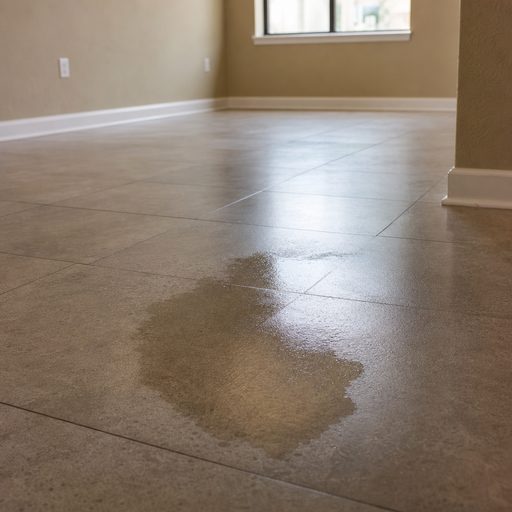
- Damp, warped, or discolored flooring with no visible source above.
- A persistent musty odor or mold developing near floor level.
Do not break into the slab yourself
Locating and repairing a slab leak takes specialized detection equipment and professional expertise. Never try to break into or excavate your foundation on your own, as you risk serious structural damage and personal injury. If you suspect a slab leak, shut off the water if needed and contact a professional to pinpoint and repair it safely.
When to Call a Professional
Slab leaks are never a do-it-yourself repair, especially given how Texas soil movement complicates them. If the signs above point to a leak under your foundation, leak detection services can pinpoint the exact spot using specialized tools and without unnecessary demolition, and slab leak repair can then resolve the problem while protecting the integrity of your foundation. Catching a slab leak early keeps a contained pipe issue from turning into costly foundation and flooring damage that is far harder to put right. For a closer look at the symptoms, see our guide on the signs you may have a slab leak, and for catching concealed leaks elsewhere in the home, our guide on how to find a hidden plumbing leak covers the warning signs and a simple meter test in more detail.
Sources and further reading
These references support material safety, technical, consumer, or planning guidance in this article. Confirm property-specific requirements with the applicable authority and professional.