 Plumbing Advisors Editorial TeamEditorial StandardsUpdated June 4, 2026Source-Checked
If you own a home in the Houston area, slab leaks are worth understanding before you ever face one. A slab leak is a leak in a water line running beneath your home's concrete foundation, and the conditions across Harris County make these leaks more common here than in many parts of the country. The combination of expansive Gulf Coast clay, a high water table, and the slab-on-grade foundations found on so many local homes means the ground under your house is rarely still. That constant movement is exactly what stresses the pipes embedded in or beneath the slab, and because the leak is hidden under concrete, it can quietly cause damage for a long time before you notice. Knowing what makes Houston homes vulnerable, and what the early signs look like, helps you act before a contained pipe problem becomes a foundation and flooring problem.
Why Houston's Soil Drives Slab Leaks
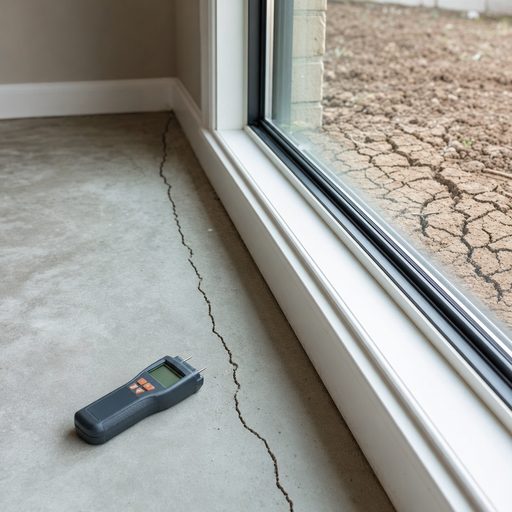
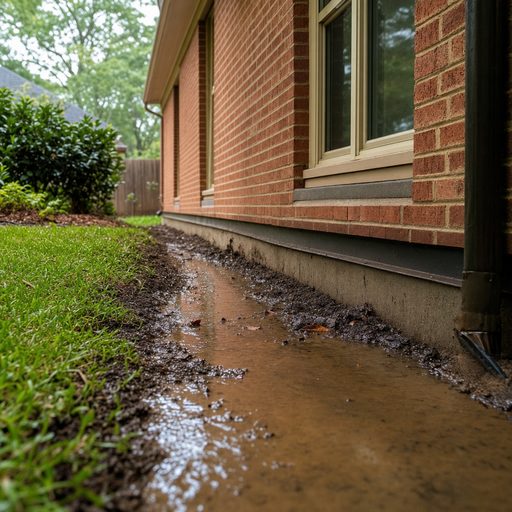
The soil beneath much of the Houston metro is expansive clay, which means it swells when it takes on water and shrinks as it dries out. With heavy Gulf Coast rainfall, tropical storms, and a generally high water table, the ground around local foundations goes through repeated wet-and-dry cycles. Each swing nudges the slab, and the rigid copper or other supply lines running through it are not built to flex along with that motion. Over time the strain can wear through a pipe, loosen a fitting, or crack a line where it bends. Because slab-on-grade construction is so widespread here, especially across the suburbs, a very large share of Houston homes have their water lines exposed to exactly this kind of movement. None of this means a slab leak is inevitable, but it does explain why the problem comes up so often in this part of Texas.
Warning Signs Houston Homeowners Notice
Slab leaks rarely show themselves as visible water, because the leak is sealed under the foundation. Instead you tend to notice the side effects, and in our humid climate some of those clues, like mustiness and mold, can appear faster than they would in a drier place. If several of the signs below show up together, a slab leak becomes much more likely and is worth a professional look.
- A warm or hot spot on the floor, which can point to a hot water line leaking below the slab.
- The sound of running water when every fixture in the home is turned off.
- An unexplained, sustained jump in your monthly water bill with no change in usage.
- New cracks in floors or walls, or floors that feel uneven or have begun to slope.
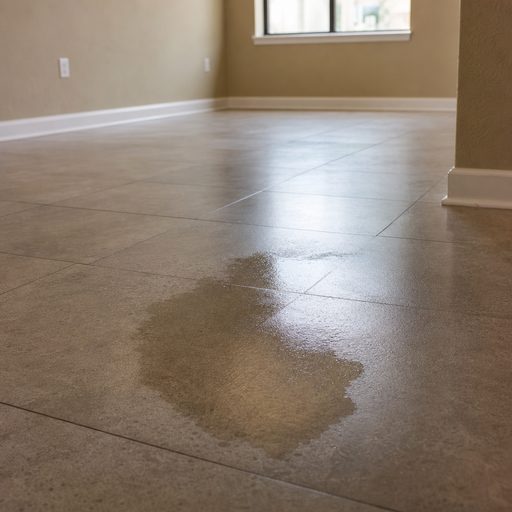
- Damp, warped, or discolored flooring with no visible source above the surface.
- A persistent musty smell or mold near floor level, which the Houston humidity can worsen quickly.
A Safe Check Before You Call
You can confirm that water is escaping somewhere with a simple meter test. Turn off all water inside and outside the home, find your water meter, and note the reading or the position of the small leak indicator dial. After an hour or two with no water use at all, check it again. If the meter has moved, water is leaking somewhere in your system, which could be a slab leak or another hidden leak. This test will not tell you where the leak is, only that one exists, but that is enough to know a professional diagnosis is warranted rather than guesswork. It is a useful step to take before you call, since it turns a vague suspicion into something concrete.
Never break into your slab yourself
Finding and fixing a slab leak takes specialized detection equipment and trained expertise. Do not attempt to break into or dig out your foundation on your own, as you risk serious structural damage and personal injury. If you suspect a slab leak, shut off the water if needed and call a professional to locate it properly.
When to Call a Professional
Slab leaks are never a do-it-yourself repair, and on Houston's shifting clay they deserve prompt attention so a small leak does not undermine your foundation. If the signs above and a meter test point to a leak under your slab, leak detection services can pinpoint the exact spot using specialized tools, without tearing up your floors to guess. From there, slab leak repair can resolve the problem while protecting the foundation that the rest of your home depends on. Acting early tends to keep the work contained and far less disruptive than waiting until flooring buckles or cracks spread. For more on how the local soil contributes to these leaks, see our guide on Texas slab leaks and clay soil, and for a closer look at the symptoms anywhere in the home, our guide on the signs you may have a slab leak walks through them in more detail. As a national service that connects homeowners with local plumbing pros, we can help you reach someone in the Houston area when you are ready.
Sources and further reading
These references support material safety, technical, consumer, or planning guidance in this article. Confirm property-specific requirements with the applicable authority and professional.