 Plumbing Advisors Editorial TeamEditorial StandardsUpdated June 6, 2026Source-Checked
Austin's charm owes a lot to its older neighborhoods, but the same early-1900s bungalows that give Hyde Park, Clarksville, and Travis Heights their character often hide plumbing that is reaching the end of its life. Behind the walls of many of these homes you will find galvanized steel or cast iron pipes installed generations ago, materials that corrode and clog from the inside as the decades pass. Austin's notably hard, mineral-rich water only speeds that wear along. Repiping a home is a major decision and not one to rush, but aging pipes tend to give off warning signs well before they fail for good. Recognizing those patterns helps you have an informed conversation with a professional about whether targeted repairs will hold or whether it is time to replace the pipes.
Why Older Austin Homes Are at Higher Risk
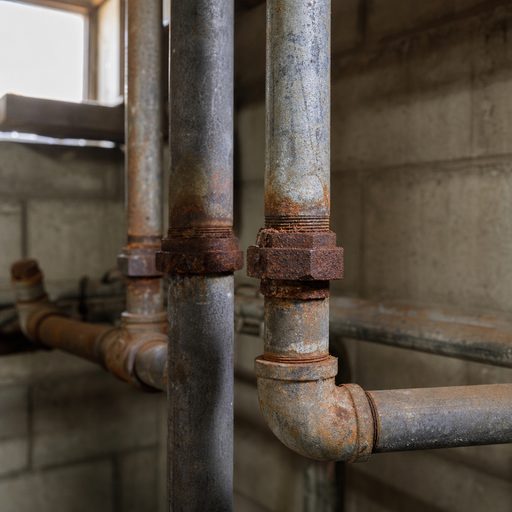
The age of a home and the pipe material used when it was built both weigh heavily on whether a repipe makes sense. Many of Austin's established central neighborhoods date to the early twentieth century, an era when galvanized steel was a standard choice. That material corrodes from the inside out, gradually choking off flow and discoloring water, and it simply was not made to last a century. Cast iron drain and sewer lines of similar vintage corrode and scale as well. On top of the age factor, Austin's hard water leaves mineral scale that narrows aging supply lines further, compounding the wear. The city's rapid growth has produced a wide mix of housing, from these older pier-and-beam bungalows to newer slab-on-grade construction, so what is behind your walls depends a great deal on when and where your home was built.
Warning Signs a Repipe May Be Due
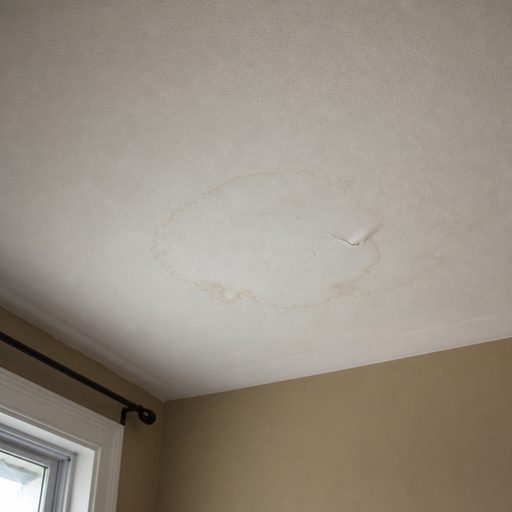
No single symptom proves you need to repipe, but a cluster of them, especially in an older Austin home, often points that way. A lone leak is usually just a repair; it is the recurring pattern, or a clear change in the water itself, that signals the material is wearing out across the board. Watch for several of the signs below appearing together.
- Repeated leaks in the same lines, where one repair is quickly followed by another nearby.
- Discolored, rusty, or brown-tinted water, especially when you first turn on a tap after the water has sat.
- Low water pressure throughout the whole home rather than at a single fixture, which hard-water scale can worsen.
- Tiny pinhole leaks in copper pipe, which often signal corrosion working through from the inside.
- Visible corrosion, flaking, or staining on any exposed sections of older pipe.
- A metallic taste or smell to the water that was not there before.
Do not ignore rusty water paired with leaks
Discolored water on its own can have harmless causes, but rusty water combined with repeated leaks in old galvanized or cast iron pipe often points to corrosion that is well advanced. In an older Austin home, that combination is a reason to have the system inspected sooner rather than later, before a corroded line gives way inside a wall.
Old Materials and What Replaces Them
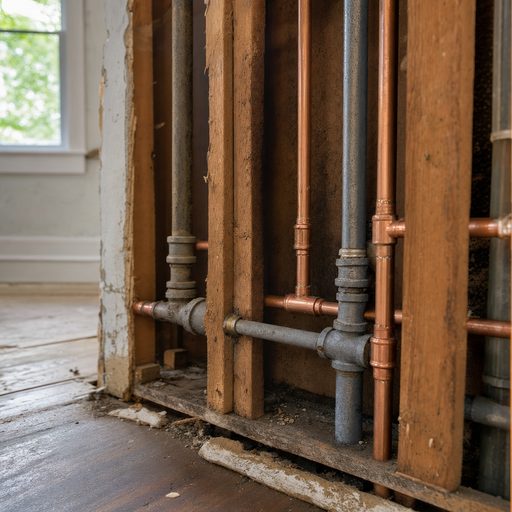
Knowing what your pipes are made of helps you gauge the risk, and in Austin's older homes a few materials come up again and again. Galvanized steel, common in early-twentieth-century construction, corrodes and clogs from the inside over the decades, restricting flow and discoloring water. Older copper can develop pinhole leaks over time, particularly where water chemistry is aggressive, and the hard water here does it no favors. Cast iron drain and sewer lines of the same era corrode and scale as well. When a repipe does make sense, modern materials such as PEX and current-grade copper are typically what a professional installs, and the work is often staged so the home stays livable. A plumber can identify exactly what you have during an inspection and give you a realistic sense of how much life is left in it before recommending repairs or replacement.
When to Call a Professional
Deciding between spot repairs and a whole-home repipe is genuinely a professional call, because it depends on the condition of pipes you cannot see and how much life is left in the system overall. A plumber can inspect your pipes, identify the material, and tell you whether pipe repair on a few sections will hold or whether replacing the plumbing is the better long-term value. When recurring leaks are part of the picture, leak detection services can pinpoint where water is escaping without tearing open walls to guess, which is especially helpful in older homes where access is tight. To prepare, our guide on the signs you need to repipe your home explains the patterns to look for, and our guide on how to find a hidden plumbing leak covers the early signs and a simple meter test you can run yourself. As a national service that connects homeowners with local plumbing pros, we can help you reach someone familiar with Austin's older housing stock when you are ready.
Sources and further reading
These references support material safety, technical, consumer, or planning guidance in this article. Confirm property-specific requirements with the applicable authority and professional.